




Qianlong Period Ceramic
Qianlong period ceramic pieces are eighteenth-century imperial and export works defined by intricate enamel painting and refined monochrome glazes.
Qianlong Period Ceramic
When buyers search for qianlong period ceramic works, they encounter eighteenth-century production originating from China during the Qing Dynasty. The selections span imperial commissions and Chinese Export wares made for Western markets, encompassing functional vessels and decorative items.
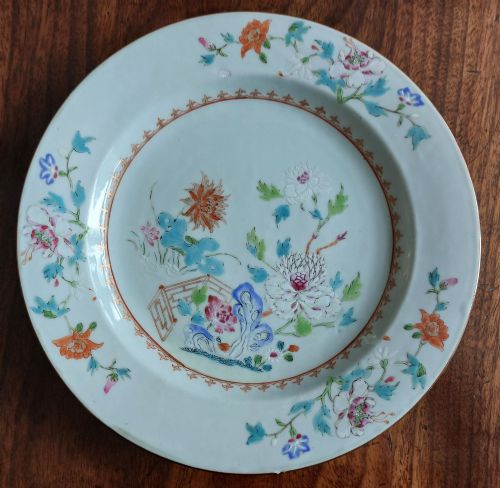
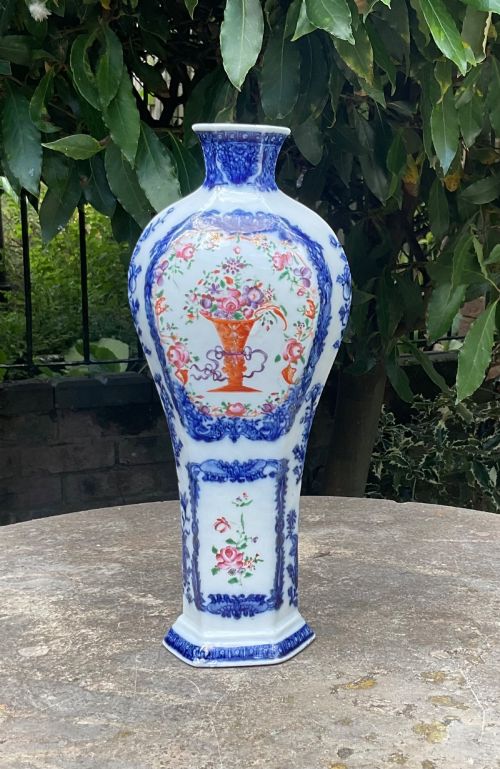
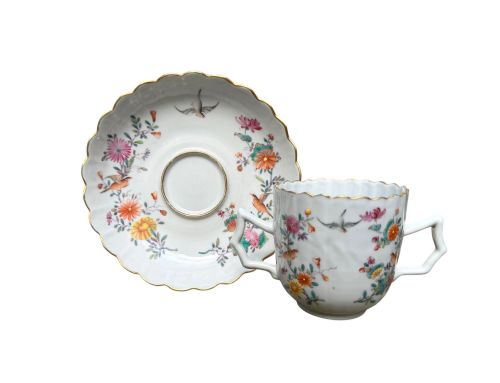
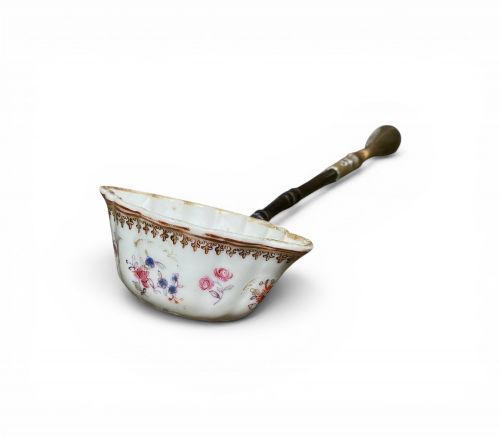
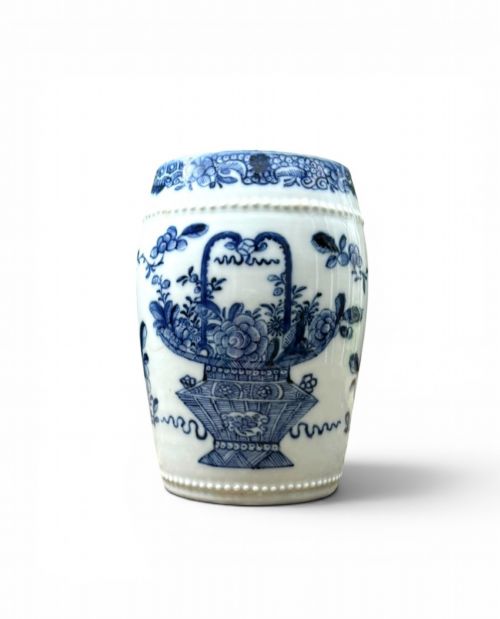
Plates, mugs, tankards, bowls, dishes, chargers, vases, and figures dominate the forms. Famille rose enamel decoration and blue and white underglaze painting appear frequently across the items listed on this page.
Pieces bridge official court taste and international trade goods. Dating primarily from the eighteenth century, specific examples cite production years from the middle decades of the period.
Materials and production methods
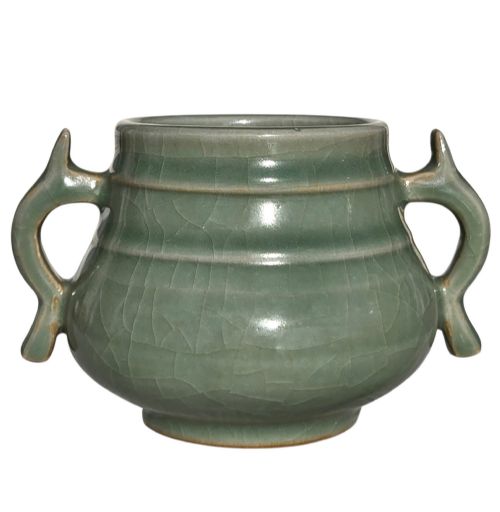
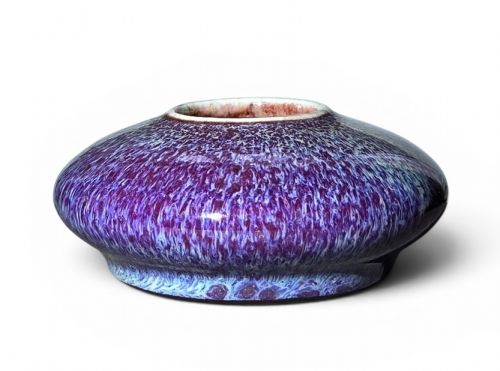
Makers shaped porcelain, ceramic, and celadon jade bodies, applying diverse surface treatments including enamel, gold leaf, and cobalt glaze. Crackle glazes and celadon glazes provide tactile surfaces on archaistic censers, bowls, and brush washers.
Enamel painting in famille rose palettes requires skilled brushwork over fired porcelain surfaces. Artisans combined cobalt blue underglaze with overglaze polychrome enamels to achieve pictorial depth on plates, dishes, and tea wares.
Qianlong Period Ceramic Retail Price Guide 2026
Typical asking prices for qianlong period ceramic among the pieces listed under this phrase on Sellingantiques today, from the lower quarter to the upper quarter. They describe what is for sale here now, not the wider market.
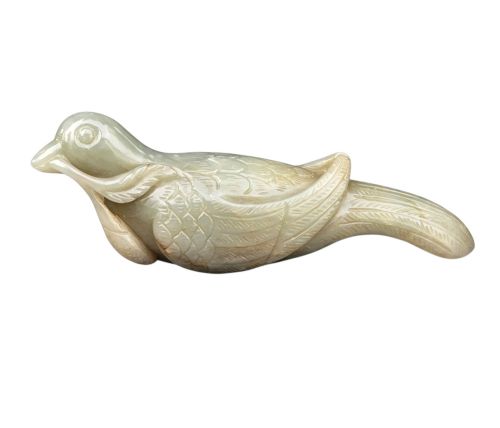
Porcelain dogs and water birds sit among the teapots, ready to guard your tea service.
Distinctions in quality
Imperial items display superior technical control in glaze formulation and meticulous detail in painted figural scenes, such as ascetic figures or armorial crests. Export items maintain high standards of throwing and turning but vary in the complexity of their decorative schemes.
The crispness of moulded details on figures, animals, and architectural forms separates standard production from finer workshop output. Purity of glaze colour, from celadon green to aubergine and flambé, indicates precise kiln temperature management.
The Qianlong Period Ceramic Glossary
- Famille rose
- A palette of opaque overglaze enamels introduced in the eighteenth century, dominated by pink and rose colours derived from colloidal gold.
- Celadon glaze
- A transparent green glaze with iron pigments fired in a reduction atmosphere, creating jade-like hues on ceramic bodies.
- Chinese export
- Porcelain and ceramic goods manufactured in China specifically for trade and consumption in European and American markets.
- Blue and white
- A decoration style utilising cobalt oxide pigment painted directly onto the clay body beneath a transparent glaze before high-temperature firing.
- Armorial
- Heraldic crests or coats of arms painted onto porcelain services, usually commissioned by European families through trade networks.
Qianlong Period Ceramic: Frequently Asked Questions
What defines qianlong period ceramic works?
These items comprise eighteenth-century Chinese porcelain and ceramic objects made during the Qing Dynasty. They include both imperial items and export wares.
Decoration ranges from famille rose enamels and blue and white painting to monochrome celadon and crackle glazes.
How were these pieces used originally?
Many vessels served practical dining and tea functions, such as mugs, tankards, teapots, tureens, and plates. Others fulfilled scholarly or decorative purposes.
Scholar's items include brush washers, water birds, incense burners, and carved figures placed in literati studies.
How do I care for antique porcelain?
Wash pieces gently by hand in warm water using mild soap, avoiding harsh scrubbing tools or ultrasonic cleaners. Sudden temperature changes can stress old ceramic bodies.
Display items securely away from high-traffic edges where accidental knocks might occur.
How can I tell export from imperial pieces?
Imperial items often reflect court tastes, referencing archaistic bronzes or carrying specific reign marks and superior scholarly motifs. Export pieces frequently incorporate Western shapes, armorial bearings, or Jesuit designs suited to foreign trade.
Both categories share the high technical standards of eighteenth-century Chinese kilns.