






Putti Wall Sconces
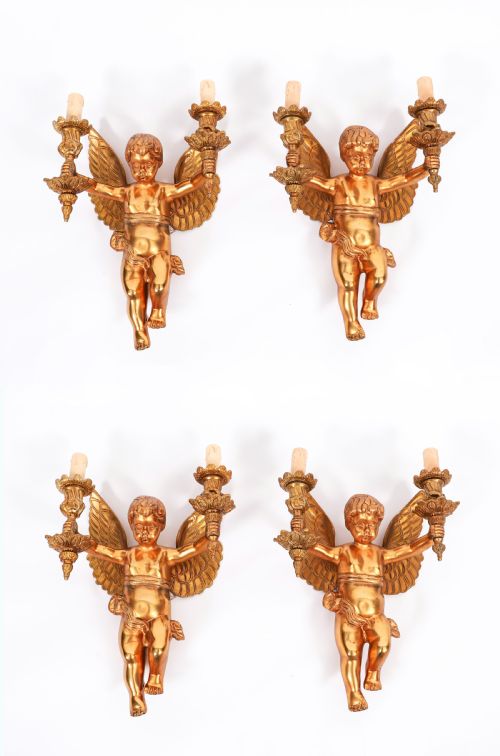
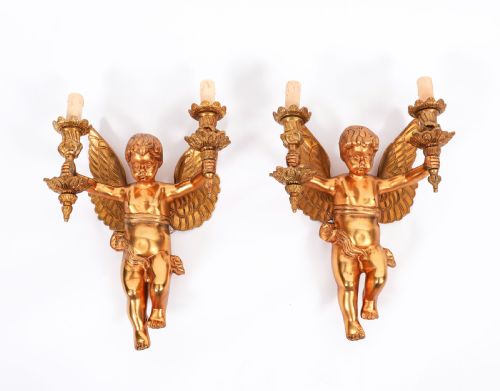
Putti wall sconces bring sculptural charm and decorative illumination to an interior, most frequently appearing as nineteenth-century French and Italian gilt bronze or carved wood pairs.
Putti Wall Sconces
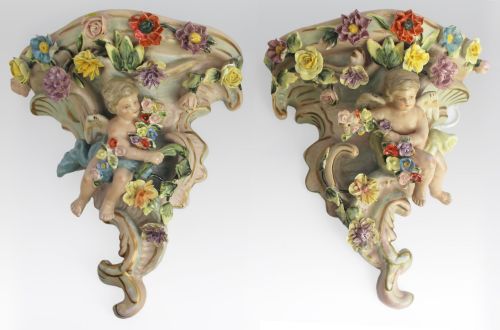
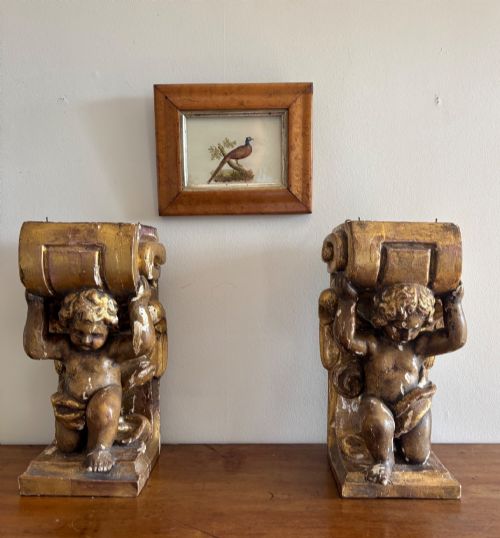
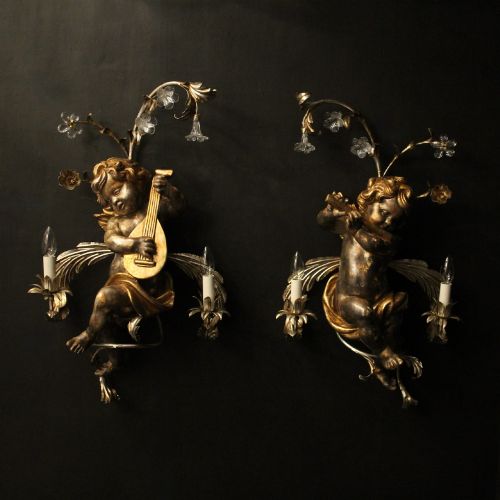
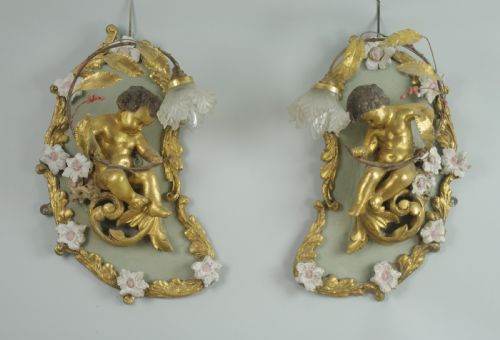
Putti wall sconces combine functional lighting with figurative sculpture, featuring winged celestial figures holding arms for candles or electric lamps. When searching for putti wall sconces, buyers encounter various forms including wall brackets, twin arm lights, and hanging lanterns dating from the late nineteenth century to the interwar period.
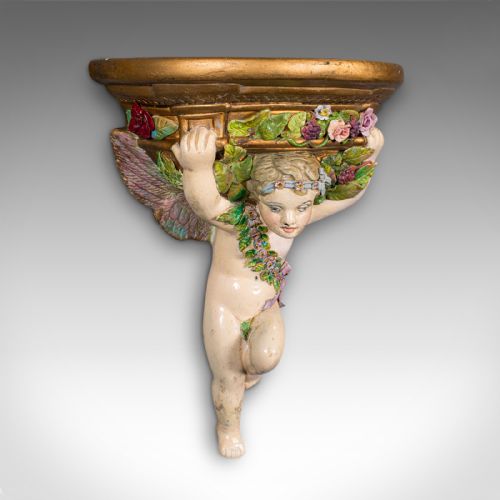
The aesthetic draws heavily on historical revivals, particularly Rococo and Baroque styles that celebrate theatrical ornamentation. Most examples emerge from continental workshops in France and Italy, rendered in media ranging from porcelain to cast bronze.
How they were made
Metal versions utilise bronze, brass, or ormolu, often cast in detailed sections before receiving a rich gilding layer. Carved wood examples rely on seasoned timber shaped with gouges and chisels, subsequently coated in giltwood leaf.
Porcelain and glass components demonstrate specialised firing and moulding techniques. Artisans integrated these fragile materials with metal armatures to support the weight of the branches and hanging elements.
Current selections span the nineteenth century through the 1930s, featuring materials such as porcelain, ormolu, and carved giltwood.
What varies in quality
The integrity of the surface finish significantly impacts the piece. Hand-applied gilding that retains its original warmth and depth separates exceptional decorative items from later, flat metallic coatings.
Meissen
The Putti Wall Sconces Glossary
- Putti
- Plaster, carved wood, or cast metal figures of winged infants resembling cherubs. They frequently appear supporting arms on lighting fixtures.
- Ormolu
- Finely ground high-carat gold applied to a bronze base using a mercury amalgamation process. This technique creates a distinctive, deep metallic lustre.
- Giltwood
- Timber that has been coated with a thin layer of gold leaf. It is characteristic of decorative frames and wall brackets from the eighteenth and nineteenth centuries.
- Corbel
- A structural or decorative bracket projecting from a wall to support a weight. In lighting, these often serve as the main mounting base for the fixture.
Putti Wall Sconces: Frequently Asked Questions
How do I wire old sconces?
Most antique wall lights require professional rewiring to meet modern safety standards. An electrician can thread new wire through the existing channels without altering the outer metal or wood structure.
Qualified practitioners will also ensure that the mounting brackets can safely bear the weight of heavier cast bronze or carved wooden fixtures.
Are these pieces French or Italian?
Origin is often indicated by the material and stylistic flourishes present in the design. French pieces frequently display refined neoclassical or rococo gilt bronze work, whereas Italian examples lean toward robust carved giltwood and vibrant polychrome or Murano glass elements.
Examining the casting style and wood preparation helps determine the likely continental workshop of origin.
How are wall brackets mounted?
Wall brackets generally attach via a secure backplate or mounting loop fitted to the rear of the carved wood or cast metal body. Fixing them directly to wall studs or utilising appropriate wall anchors is essential to support the extended arms.
Professional installation prevents strain on the historical materials and ensures the fixture hangs level.
Can I clean giltwood safely?
Giltwood requires delicate maintenance to preserve the thin gold leaf surface. Dusting gently with a soft, dry brush prevents the accumulation of grime without disturbing the underlying gesso and timber.
Moisture and chemical cleaners should be strictly avoided, as they can strip or discolour the historical finish.