



Pull Out Extension Table
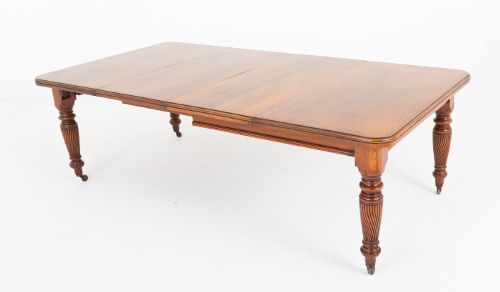
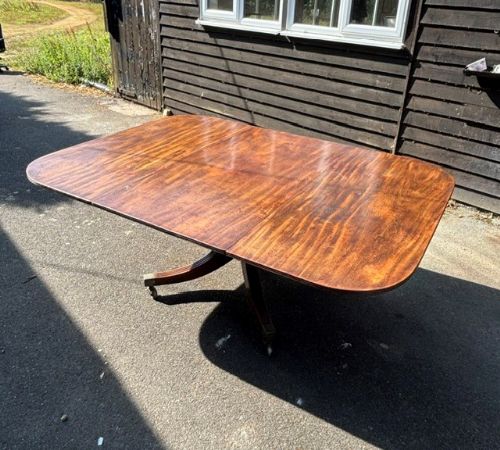
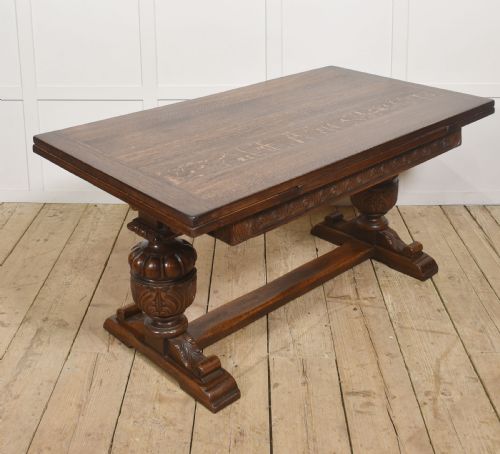
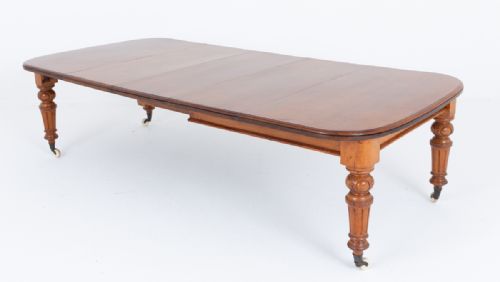
These pull out extension table examples offer clever mechanical solutions for dining spaces, combining period timber work with expandable surfaces.
Pull Out Extension Table
A pull out extension table provides a versatile surface for dining, designed to expand through clever internal leaves or pull-out mechanisms. When you search for a pull out extension table, you are looking at substantial dining furniture intended to accommodate varying numbers of guests.
The examples available here span from the seventeenth century through to the early twentieth century, taking forms such as refectory tables, pillar tables, and farmhouse kitchen tables. Mahogany and oak dominate the selection, often paired with mechanisms that allow the ends to pull outward or extra leaves to drop into place.
Victorian and William IV pieces appear frequently alongside George III and seventeenth-century Dutch styles. Buyers will most often encounter sturdy timber constructions designed for practical family dining or grander entertaining.
How they were made
Cabinet makers utilised dense hardwoods such as oak, mahogany, and pollard oak, sometimes incorporating fruitwood or wood inlay for decorative contrast. These timbers provided the necessary structural strength to support extending mechanisms without sagging under a heavy load.
Joinery techniques ranged from traditional draw-leaf constructions in earlier centuries to sophisticated screw or runner mechanisms developed during the Regency and Victorian periods. Master craftsmen ensured that extending leaves aligned smoothly with the main tabletop to maintain a stable surface.
Pull Out Extension Table Retail Price Guide 2026
Typical asking prices for pull out extension table among the pieces listed under this phrase on Sellingantiques today, from the lower quarter to the upper quarter. They describe what is for sale here now, not the wider market.
The listings span from seventeenth-century Dutch work to early twentieth-century oak refectory tables, demonstrating centuries of mechanical evolution.
What varies in quality
The refinement of the timber selection marks the primary difference between standard examples and exceptional pieces, particularly when figured mahogany or pollard oak is utilised. Grain matching across the main top and the extension leaves demonstrates the maker's skill and attention to detail.
Mechanism engineering dictates the daily usability of the table, as smooth-sliding runners and well-fitted leaves separate superior construction from crude carpentry. The crispness of carved details on oak refectory frames or the elegance of pillar supports further separates utilitarian items from high-status commissions.
Thomas Butler of London
The Pull Out Extension Table Glossary
- Draw leaf table
- A table equipped with two leaves hidden beneath the main top that pull out from either end to lengthen the surface. This mechanism was popular in earlier centuries.
- Extending dining table
- A table designed with a central gap or end sections that pull apart to insert additional leaves. This allows the seating capacity to increase significantly.
- Pollard oak
- Oak timber taken from trees that were cut back close to the trunk, producing a distinctive, highly figured burl pattern. Cabinet makers valued this wood for decorative table tops.
- Refectory table
- A long, narrow dining table traditionally used in monasteries and large halls, characterised by sturdy legs connected by low stretchers. These often feature heavy oak construction.
- Pillar table
- A table supported by one or more central columns rather than corner legs. These often incorporate clever internal mechanisms for stability when extended.
Pull Out Extension Table: Frequently Asked Questions
How do pull out mechanisms work?
These tables typically rely on sliding wooden runners or hidden leaves that slide out from beneath the main surface. Earlier versions use draw-leaf designs, while later Regency and Victorian examples utilise drop-in leaves.
The mechanics allow a compact everyday table to transform into a much larger dining surface with minimal physical effort.
What woods were commonly used?
Mahogany and oak form the vast majority of the timber used in these tables, providing durability and pleasing grain patterns. Cabinet makers also utilised pollard oak, fruitwood, and decorative wood inlay.
Dense hardwoods were essential to support the weight of extending leaves without warping over decades of use.
How do I seat more guests?
You pull the ends of the table apart or slide out the hidden leaves stored beneath the main surface. Some models require you to manually drop in extra leaves to bridge the gap.
This adaptability made them essential for formal dining and large household gatherings in period homes.
Are these tables suitable for daily use?
Their solid construction in oak or mahogany makes them robust enough for regular family meals. The mechanical extensions are built from seasoned timbers designed to withstand repeated movement.
Proper care of the polished wood surface ensures they remain practical centrepieces in modern dining rooms.