

Provincial Wooden Chest
A provincial wooden chest brings rustic utility and regional character into a room through honest joinery and time-softened timbers.
Provincial Wooden Chest
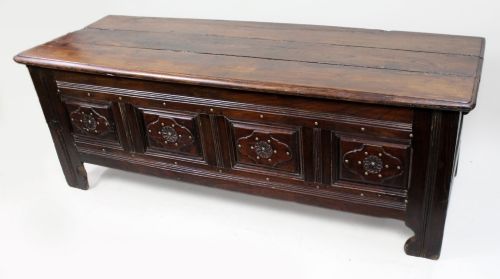
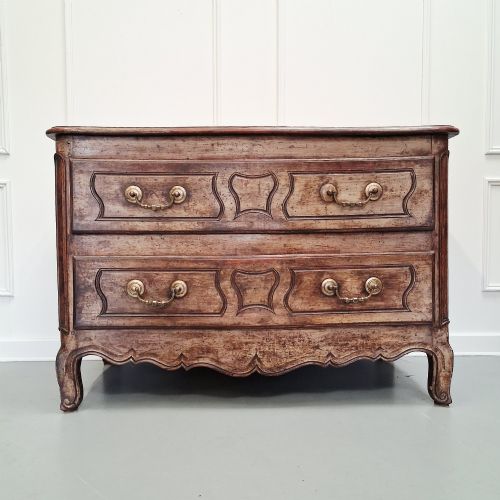
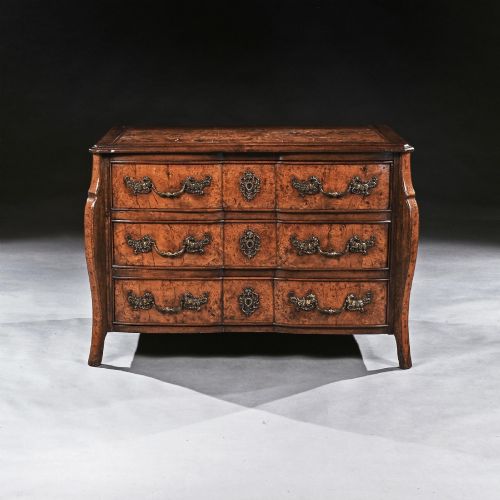
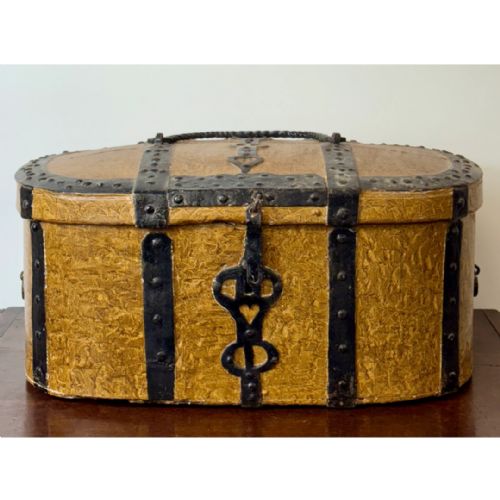
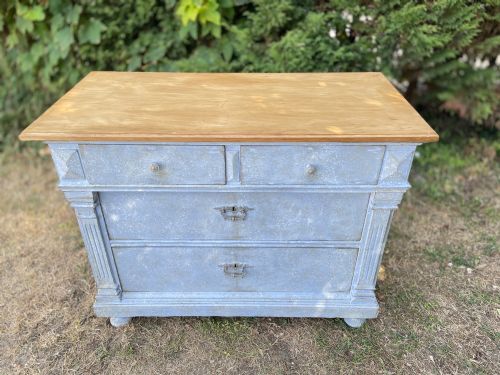
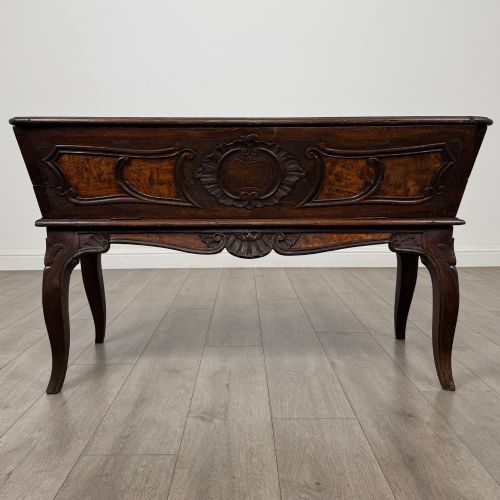
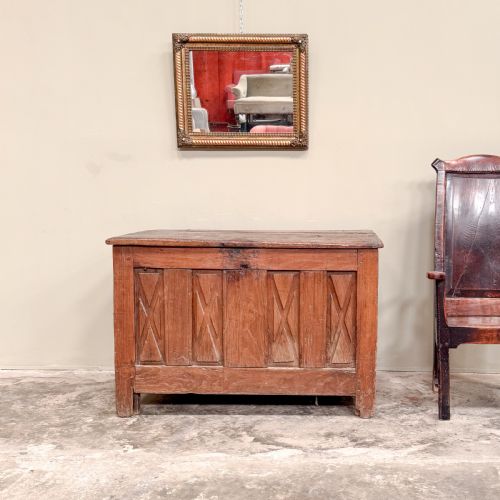
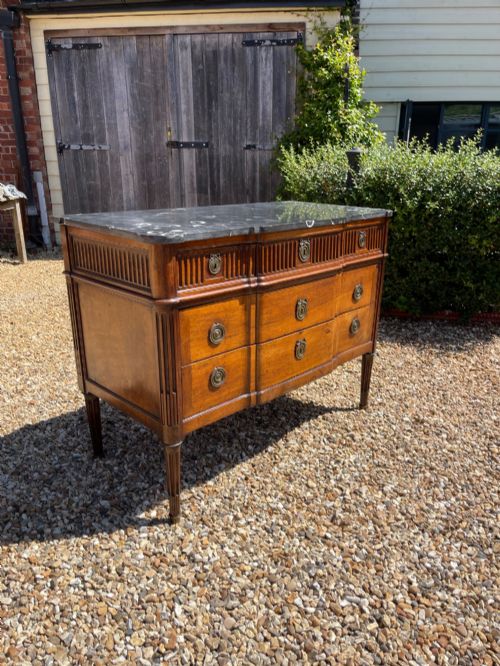
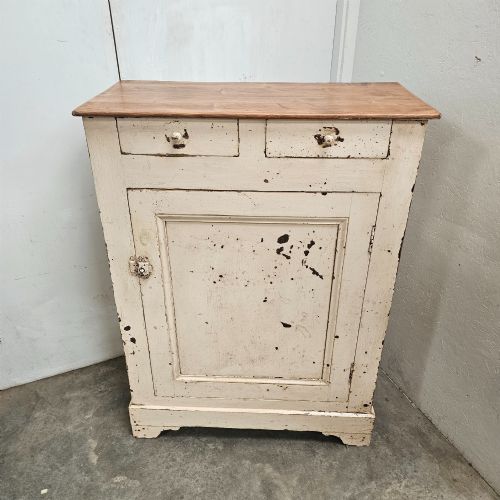
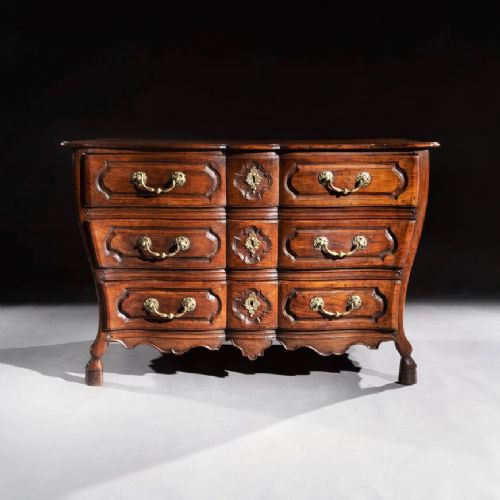
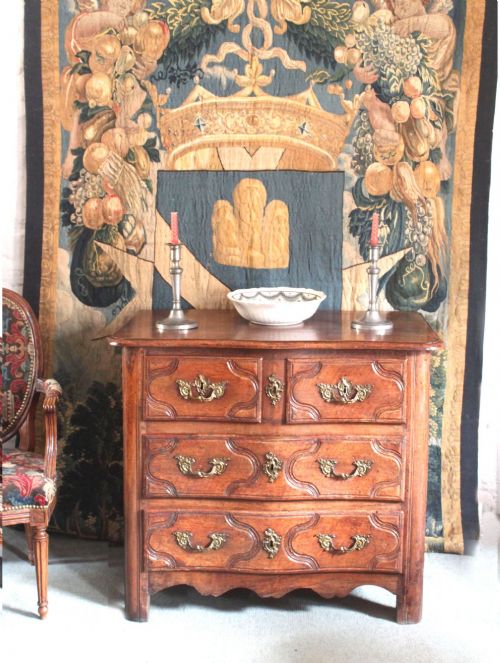
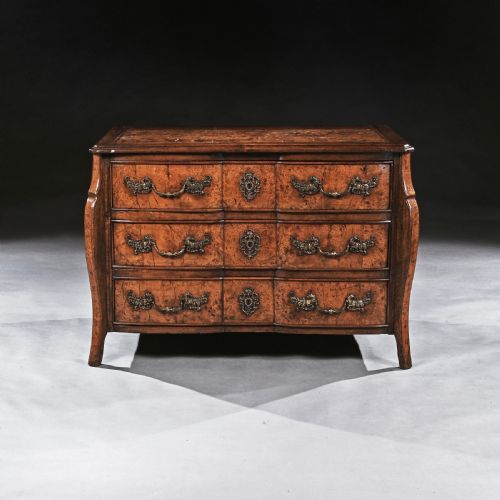
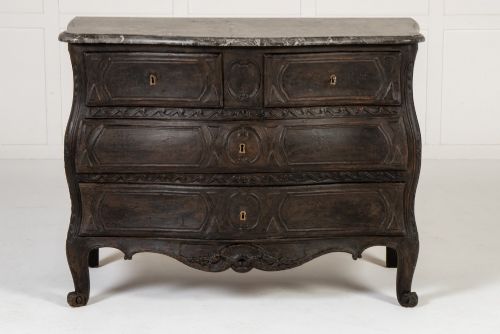
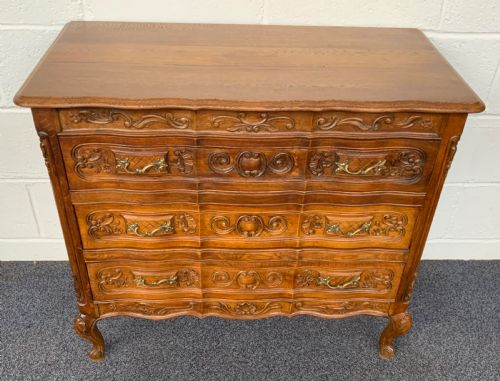
When you search for a provincial wooden chest, you encounter sturdy storage pieces created outside major capital workshops for domestic utility. These range from heavy seventeenth and eighteenth-century oak coffers to serpentine-fronted commodes and dough bins shaped by regional makers.
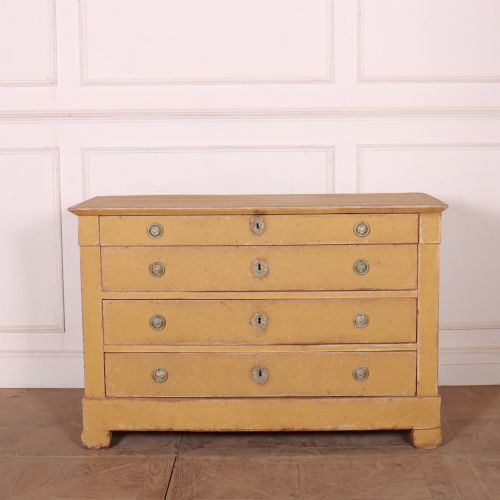
The versions most frequently met on this page are French and English examples spanning the eighteenth and nineteenth centuries. Walnut, cherrywood and pine appear often, finished with simple paint layers or left as bare timber showing decades of use.
How provincial wooden chest pieces were made
Local joiners built these items using native timbers such as oak, walnut, cherrywood and pine, selecting woods available within their immediate region. Panels were frequently hand-planed and assembled using traditional pegged mortise and tenon joints to accommodate natural wood movement.
Surface treatments varied from plain waxed finishes that highlighted the grain to painted surfaces in muted tones or folk art decoration. Brass mounts and handles, when fitted, were cast by hand and attached with traditional hand-cut screws or iron nails.
Certain pine blanket boxes retain stubborn traces of historical flour dust tucked deep inside their hand-planed corners.
What varies in quality
The integrity of the original construction and the survival of untouched timber surfaces dictate the standing of an individual piece. Better examples retain their original backs, drawer linings and hardware without extensive timber replacement.
Proportion and the handling of carved or serpentine fronts separate standard utility items from more ambitious regional commissions. Finer chests display balanced proportions and crisp moulding details executed by skilled local hands.
The Provincial Wooden Chest Glossary
- Commode
- A low chest of drawers or cabinet, often featuring serpentine or bombe shaping in provincial examples. This form became popular in eighteenth-century continental workshops.
- Coffer
- A heavy wooden chest traditionally used for storing valuables, linen or documents. Early versions often feature hinged lids and robust plank construction.
- Serpentine
- A furniture front curving outward at the centre and inward at the sides in a gentle wave. This shape requires considerable skill in timber selection and joinery.
- Bombe
- A swelling or bulging contour characteristic of continental furniture styles, particularly commodes. The curved sides demand sophisticated shaping of solid wood or veneer.
- Dough bin
- A specialised domestic chest with a sloping or flat lid, designed for resting and rising bread dough. Many survive with enclosed lower cupboards or simple trestle bases.
Provincial Wooden Chest: Frequently Asked Questions
What is a provincial wooden chest?
A provincial wooden chest is a regional storage piece made outside metropolitan centres, valued for its honest construction and local character.
These items include coffers, blanket boxes and commodes shaped by the timber traditions of specific European and British districts.
How were these chests used?
Families utilised these chests to store household textiles, winter blankets, dry goods or valuable documents in domestic settings.
Some specialised forms served specific daily chores, such as preparing bread dough or holding candles near storage areas.
How do I care for antique timber?
Keep wooden chests away from direct heat sources and dramatic humidity changes to prevent the timber from splitting or warping.
Feed the surface occasionally with traditional beeswax to maintain the moisture and lustre of the old finish.
How can I tell the period?
Examine the construction methods, tool marks on internal boards, and the type of fixings used to join the panels together.
Hand-cut joints and native timber choices often point to eighteenth-century origins, while machine-sawn elements indicate later nineteenth-century work.