

Provincial Storage Cabinet
A provincial storage cabinet offers honest domestic utility in solid oak, walnut, or pine, shaped by regional hands across the eighteenth and nineteenth centuries.
Provincial Storage Cabinet
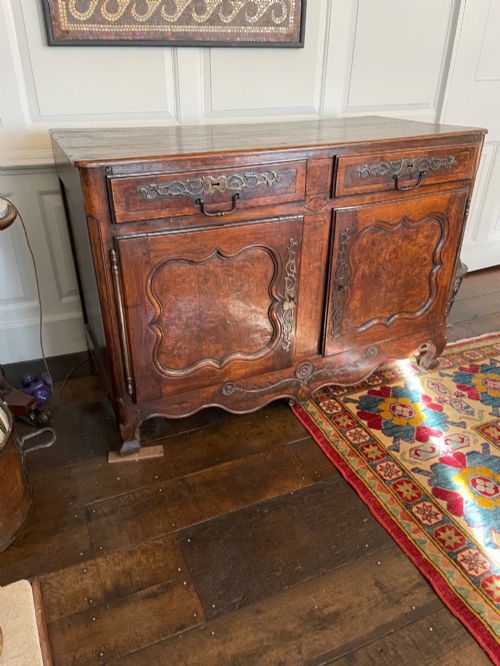
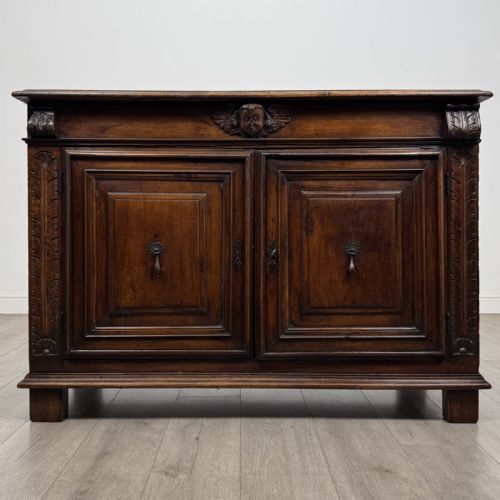
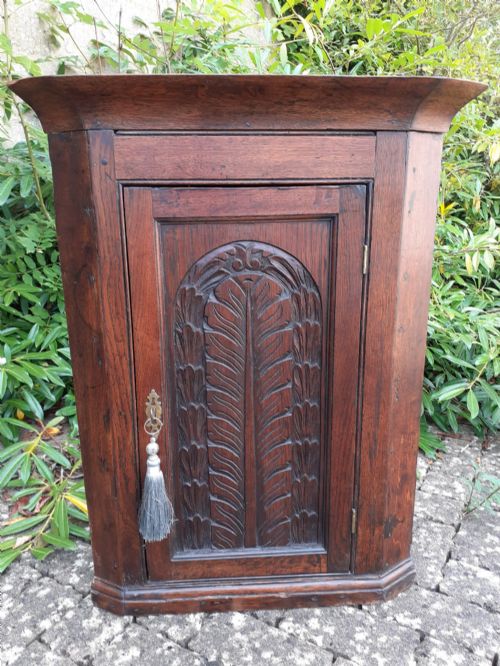
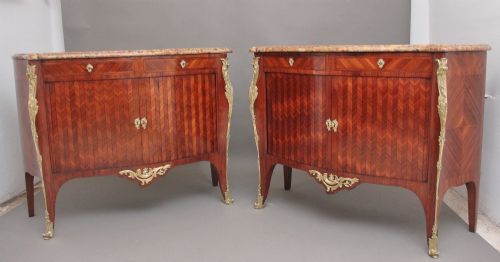
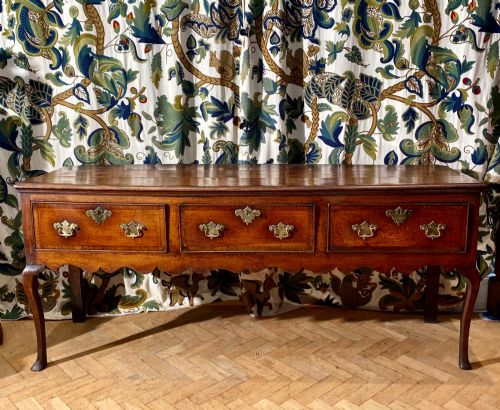
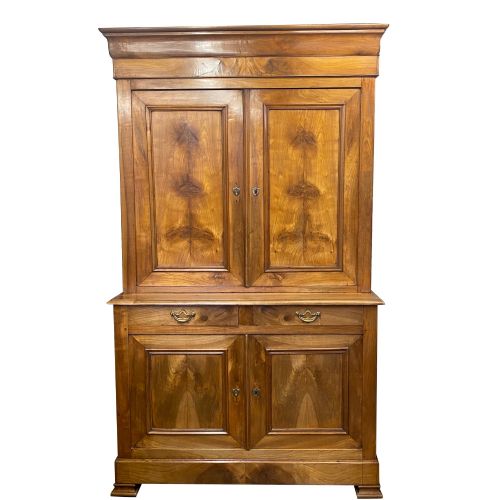
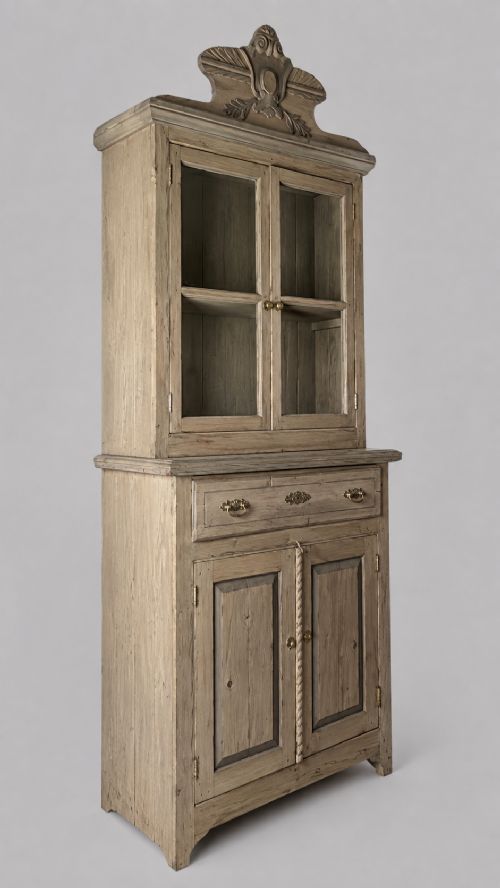
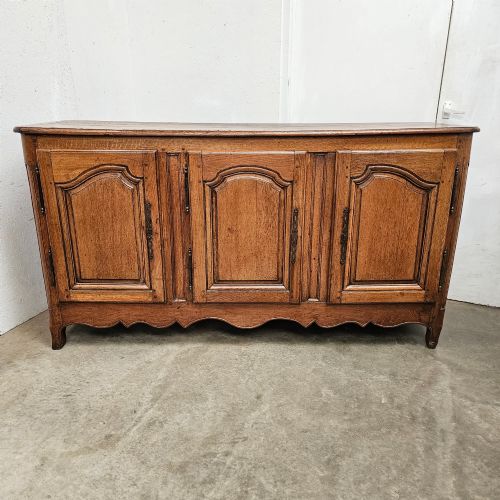
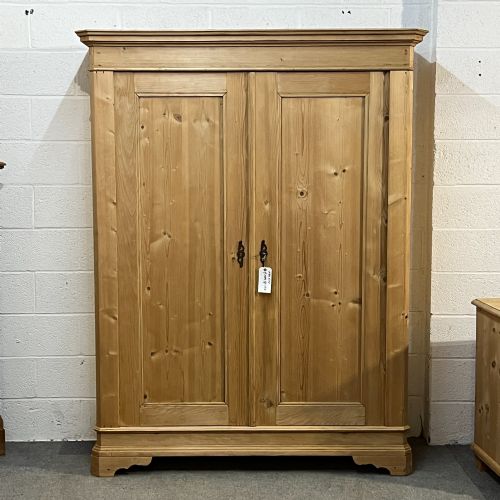
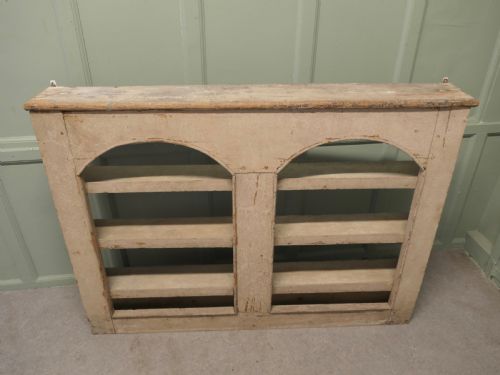
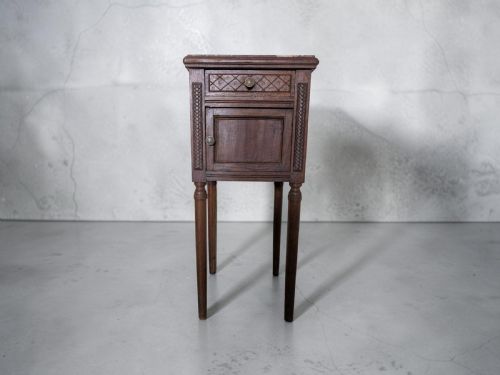
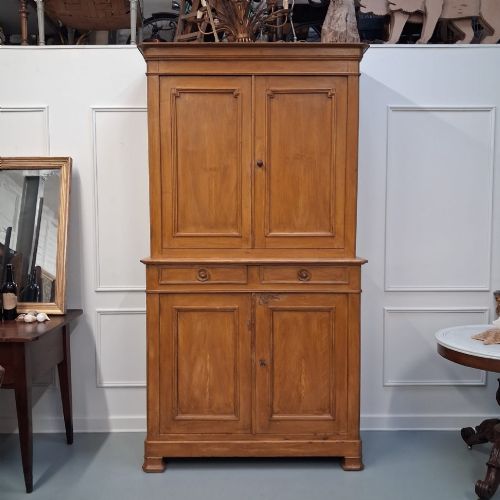
A provincial storage cabinet brings practical regional utility into a room, spanning forms like the commode, armoire, enfilade, and housekeepers cupboard. These pieces originate largely from French and Italian workshops, where local cabinetmakers built heavy storage to suit rural homes.
Most examples encountered here date from the eighteenth and nineteenth centuries, constructed in sturdy regional timbers rather than metropolitan veneers. Buyers find everything from low buffet units to tall cupboards, each shaped by the functional traditions of provincial life.
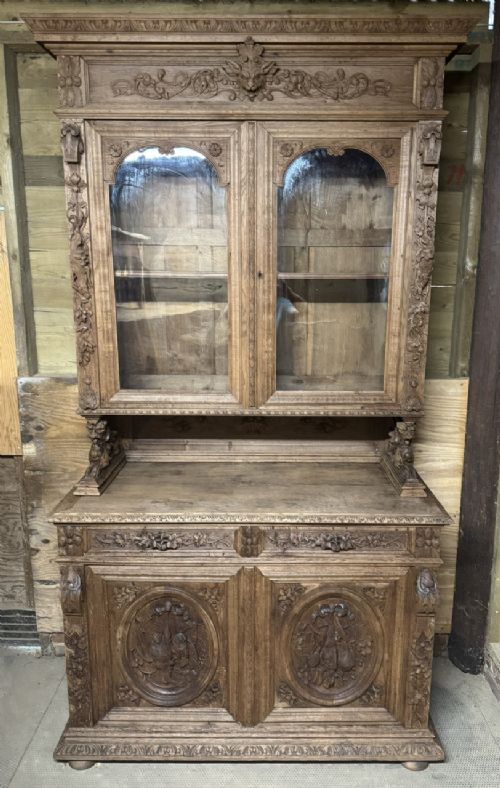
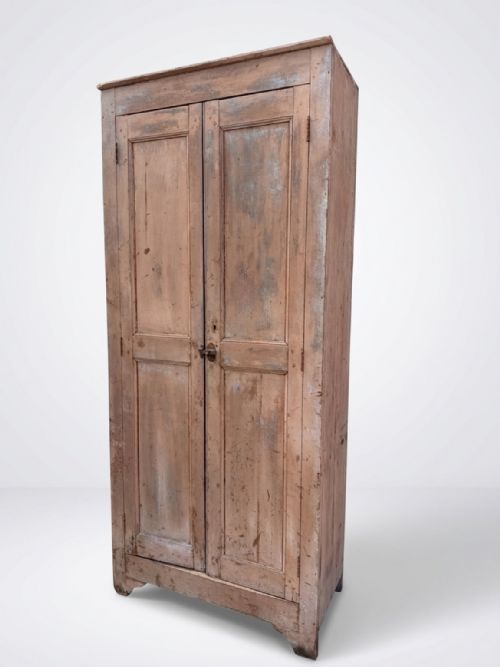
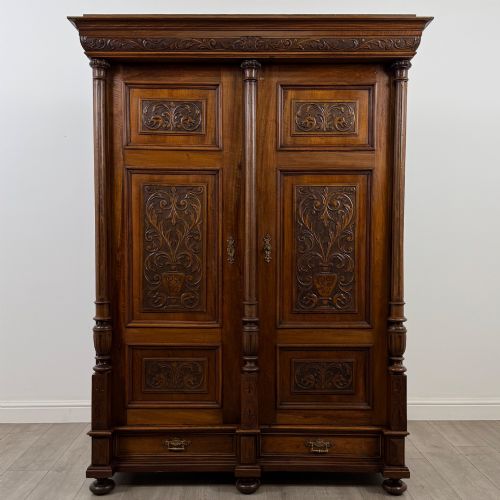
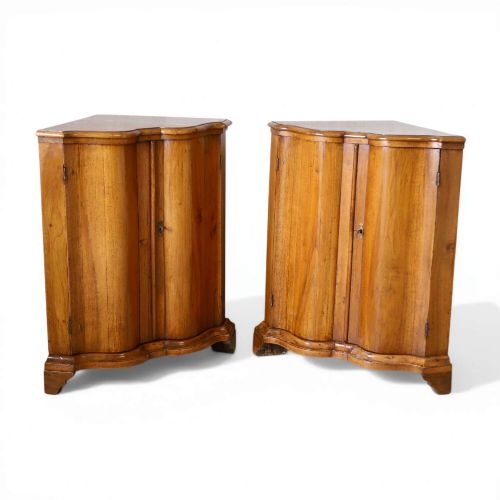
Forms vary from rustic pine confectioners cupboards to grand carved oak hunting cabinets and serpentine commodes. The selection reflects diverse domestic needs, from linen storage to food preservation, executed in styles such as Louis XV, Louis XVI, and French Country.
How They Were Made
Construction relies heavily on solid regional timbers, principally oak, cherrywood, walnut, and pine, joined to withstand generations of domestic use. Iron and brass hardware, from hinges to escutcheons, secures heavy panelled doors and drawers.
Surfaces receive varied treatments, including natural wax polishing on bleached or polished oak, intricate marquetry inlay, and painted finishes applied over softwoods. Marble tops frequently cap commodes and bedside cabinets, adding a durable working surface to wooden carcases.
Provincial Storage Cabinet Retail Price Guide 2026
Typical asking prices for provincial storage cabinet among the pieces listed under this phrase on Sellingantiques today, from the lower quarter to the upper quarter. They describe what is for sale here now, not the wider market.
Some provincial cupboards began life locked away as food stores, protecting precious sugar and dried game from midnight kitchen raids.
What Varies in Quality
Quality rests upon the integrity of the timber selection and the restraint of regional carving, distinguishing standard utility furniture from finer salon pieces. Untouched patination and original ironwork elevate a piece far above heavily restored alternatives.
Proportion and structural balance dictate the success of the cabinet, particularly in regionally adapted forms like bombe commodes and serpentine sideboards. Joinery execution, from dovetail drawers to panel fitting, separates basic village carpentry from accomplished cabinetmaking.
The Provincial Storage Cabinet Glossary
- Commode
- A low chest of drawers or cabinet, typically standing on legs, originating in France. These pieces often feature marble tops and serpentine fronts.
- Enfilade
- A long sideboard or buffet unit featuring multiple doors, designed for dining rooms and large living spaces. They provide substantial low-level storage.
- Marquetry
- Decorative veneer work forming pictures or geometric patterns using various coloured woods. It appears on finer nineteenth-century cabinets and commodes.
- Confiturier
- A small cupboard traditionally used for storing confit and preserves in French country homes. They stand tall and narrow with a single door.
- Bombe
- A swelling, outward-curving contour found on the sides and fronts of commodes and cabinets. This curved form requires considerable skill from the woodworker.
Provincial Storage Cabinet: Frequently Asked Questions
What rooms suit a provincial storage cabinet?
These cabinets adapt easily to kitchens, hallways, and living areas, providing concealed storage for everyday items. Low sideboards and commodes function well as serving surfaces or media units.
Tall cupboards and armoires offer deep shelving for linens, tableware, or books in bedrooms and studies. Their solid timber construction anchors a room with natural warmth.
How do I care for antique wood surfaces?
Regular dusting with a dry, soft cloth prevents particle buildup on polished oak, walnut, and cherrywood surfaces. Occasional application of quality beeswax maintains the moisture and natural sheen of the timber.
Keep wooden cabinets away from direct heat sources and strong sunlight to prevent warping and fading. Marble tops on commodes require simple wiping with a damp cloth and mild soap.
Are painted finishes original on these cabinets?
Many provincial cupboards and marriage cabinets received decorative paint layers during their working lives, sometimes refreshed across generations. Painted pine and fruitwood finishes reflect regional domestic traditions rather than formal court styles.
Examination of the paint layers under natural light helps reveal underlying age and wear patterns. Patinated paint often shows pleasant cracking and softening from decades of household use.
How do I distinguish regional styles?
French provincial pieces often display organic carved motifs influenced by Louis XV and Rococo aesthetics, yet executed with local rustic simplicity. Italian variants frequently employ walnut with distinct architectural mouldings and corner placements.
Details like carved wheat sheaves, game motifs, or regional iron handles point directly to specific localities. Examining the secondary timbers inside drawers provides further clues to geographic origin.