
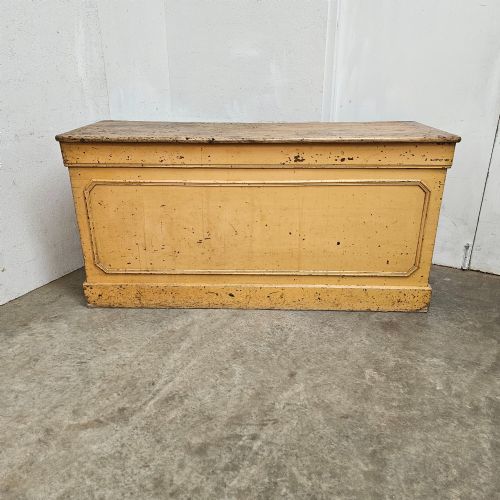


Provincial Pine Cabinet
A provincial pine cabinet brings robust utility and vernacular charm into a room, offering honest storage rooted in regional European traditions.
Provincial Pine Cabinet
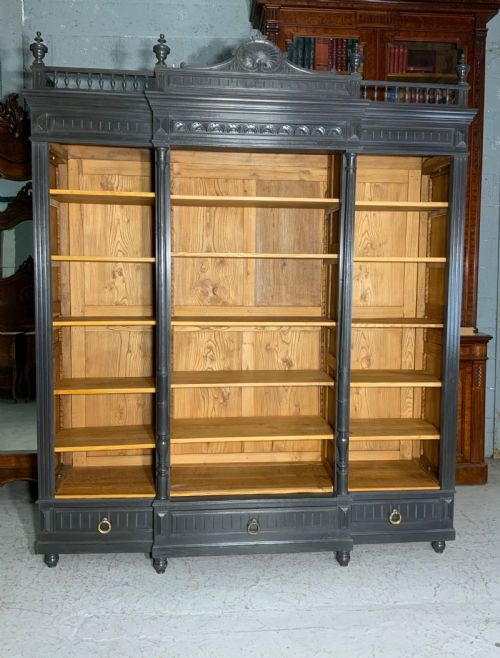
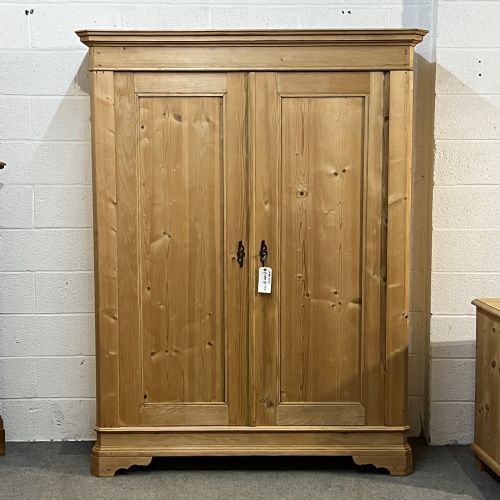
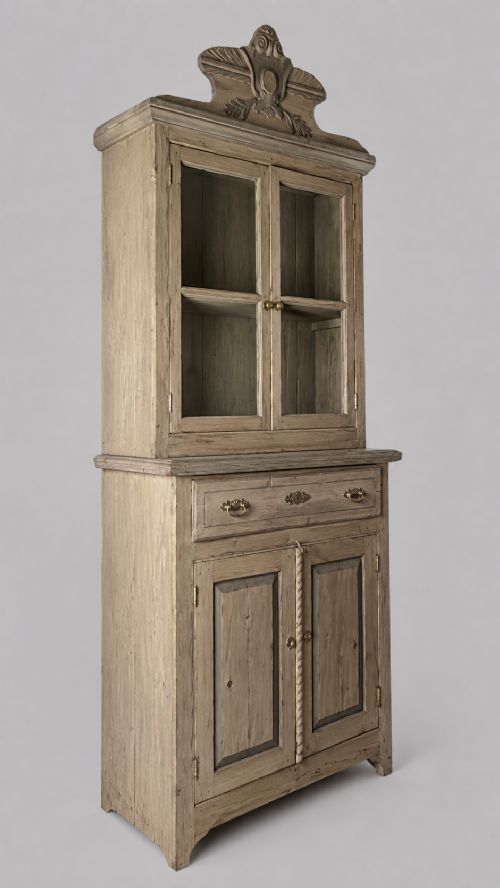
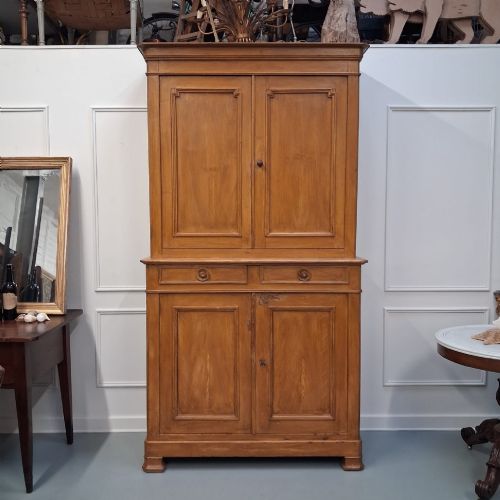
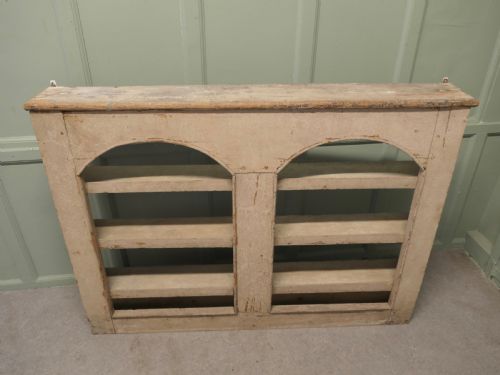
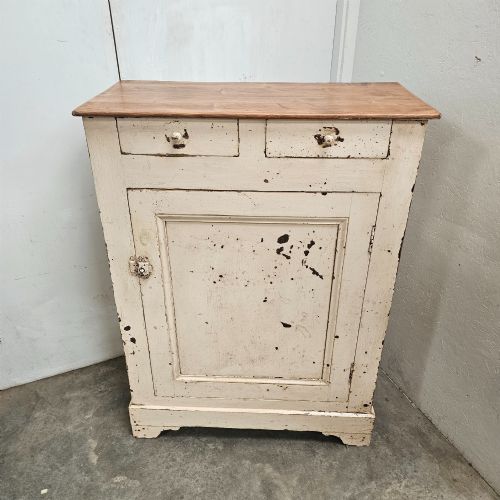
Buyers seeking a provincial pine cabinet will encounter predominantly French and English examples, alongside items from Scandinavian and German origins. These range from substantial library bookcases and dresser bases to smaller jam cupboards and marriage chests.
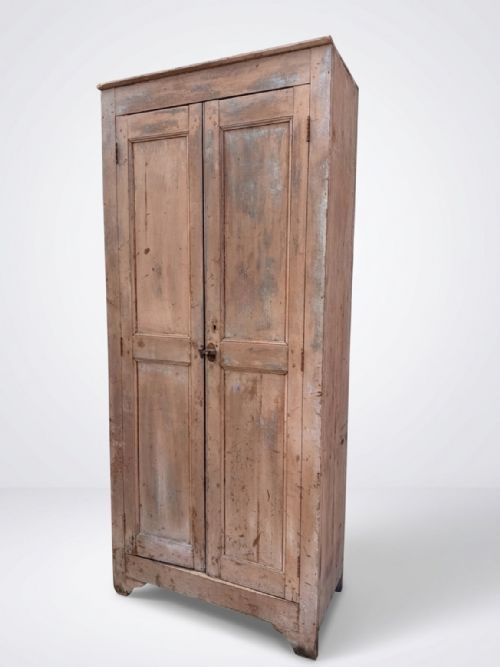
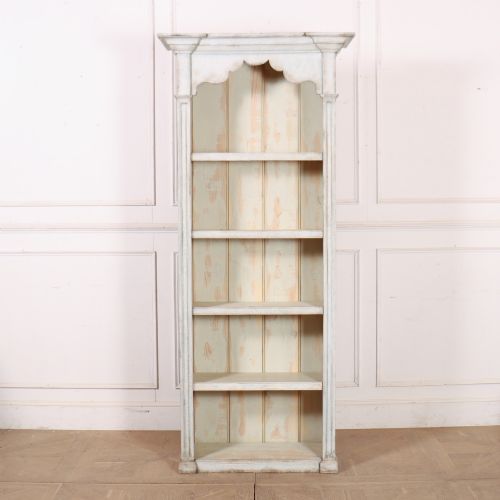
The aesthetic leans towards regional vernacular styles including French Provincial, English Country, and Scandinavian Baroque. Many retain historic painted finishes, distemper paint, or bare timber surfaces shaped by decades of domestic use.
What varies in quality
Quality rests in the integrity of the timber selection and the retention of original surface treatments like historic paint rather than modern stripping. Regional joinery details, such as panel construction and dovetailing, distinguish superior provincial cabinetmaking from utilitarian workshop output.
Proportion and scale heavily influence desirability, where balanced door panels and well-preserved cornices elevate a piece from simple utility to strong decorative presence. The survival of original brass or iron hardware and undisturbed backboards further separates finer examples.
Listings feature eighteenth and nineteenth-century periods, utilising pine, brass, iron, glass, and distemper paint.
The Provincial Pine Cabinet Glossary
- Pine
- A softwood utilised extensively for regional European furniture due to its abundance and ease of working. It accepts paint readily and darkens gracefully over time.
- Distemper paint
- A water-based medium using pigment and a binder such as glue or size, commonly found on historic provincial cabinetry. It produces a matt finish that chalks slightly with age.
- Confiturier
- A small French cupboard traditionally used for storing confit or preserves. These compact pieces typically feature a single door above a small drawer.
- Buffet deux corps
- A large two-part cupboard originating in France, featuring a smaller upper section set upon a deeper lower cabinet. This form provided substantial storage for household linen and provisions.
- Marriage cupboard
- A celebratory regional chest or cabinet commissioned for a wedding, frequently inscribed or painted with significant dates and initials. These pieces hold strong narrative value for collectors.
Provincial Pine Cabinet: Frequently Asked Questions
What is a provincial pine cabinet?
A provincial pine cabinet is a utilitarian storage piece built outside major urban centres using local softwood. These items include cupboards, armoires, and dressers shaped by regional woodworking traditions.
Most surviving examples date from the eighteenth and nineteenth centuries, reflecting the domestic needs of households in France, Britain, and Scandinavia.
How do I identify the period?
Dating relies on construction methods, hardware types, and stylistic cues such as provincial Baroque shaping or simpler nineteenth-century framing. Tool marks and timber ageing offer further clues to the decade of manufacture.
Painted surfaces can also indicate age, particularly when distemper or original layered paint remains intact beneath subsequent decorating.
Are painted finishes original?
Many provincial cabinets retain historic paint layers applied decades or centuries after manufacture, while others preserve their first decorative scheme. Examining the wear patterns and pigment composition helps determine the history of the surface.
Original paint often shows genuine craquelure and softening around handles, distinguishing it from recent decorative applications.
How should I care for pine furniture?
Pine benefits from stable indoor humidity and protection from direct sunlight to prevent timber movement and fading of historic paint. Regular dusting with a dry cloth keeps the surface clean without stripping natural patination.
Wax polish should be used sparingly, particularly on pieces with distemper or delicate historic painted finishes that might absorb moisture.