


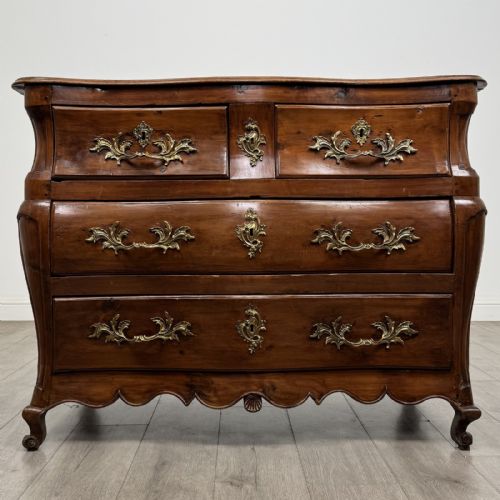
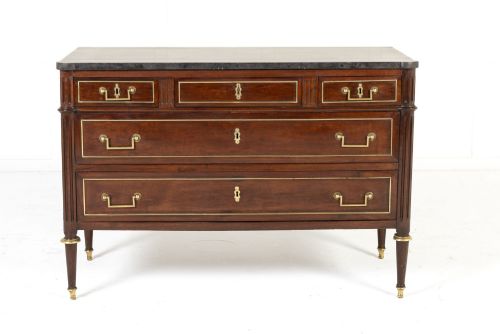
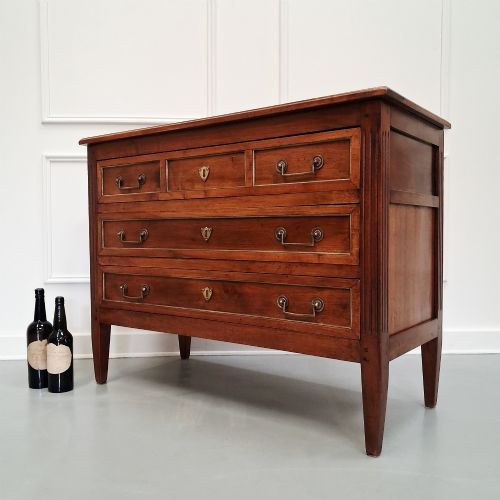
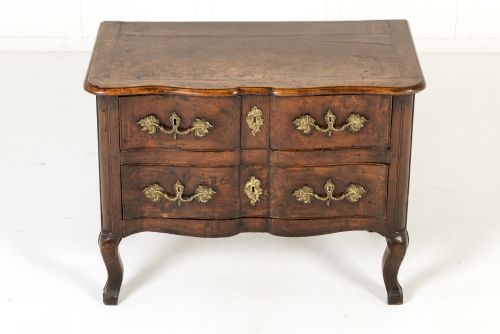
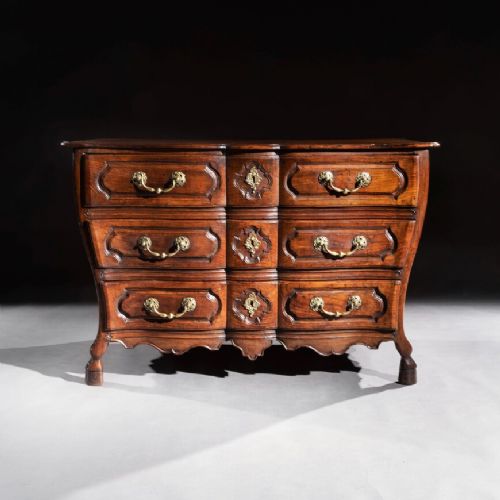
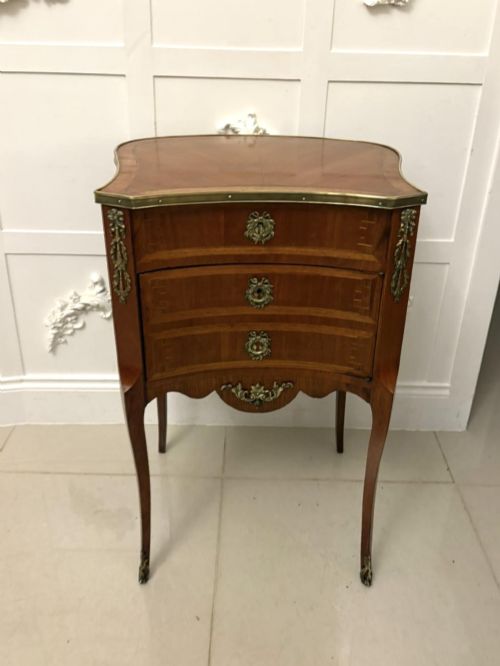
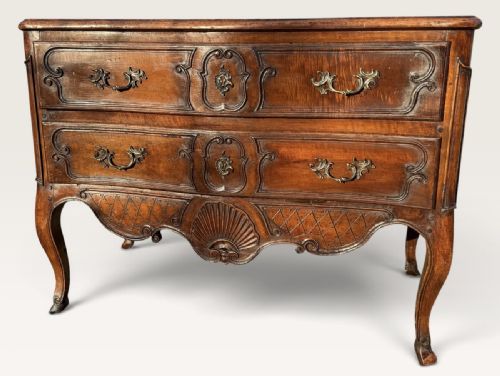
Provincial Commode Chest
These pieces known as a provincial commode chest offer robust storage with regional character, pairing regional craftsmanship with practical utility.
Provincial Commode Chest
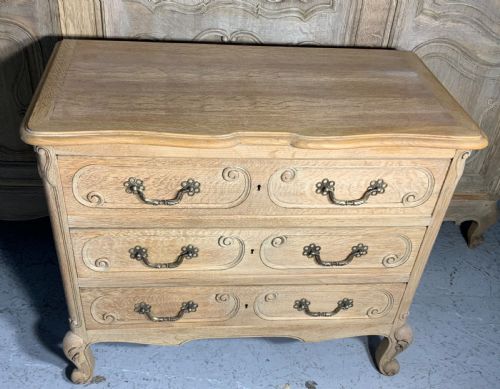
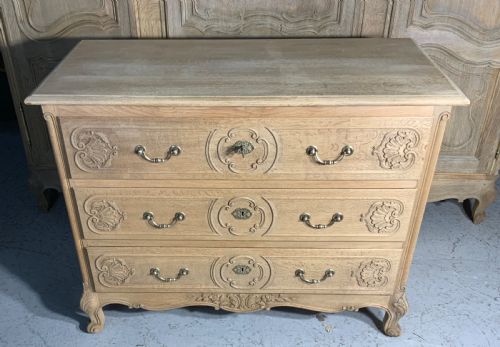
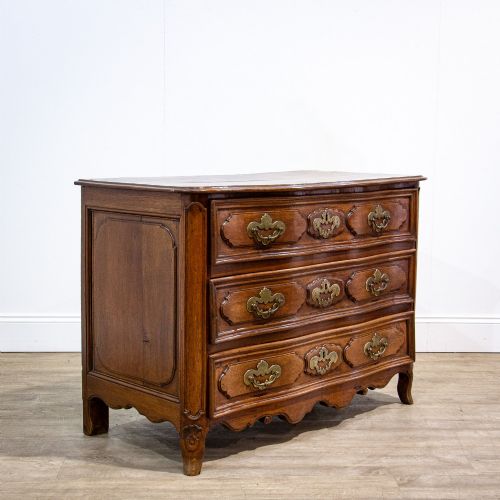
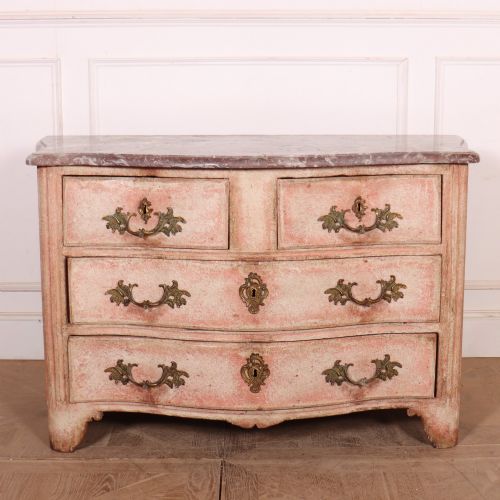
A provincial commode chest serves as a substantial storage unit, typically taking the form of a chest of drawers, bedside cabinet, or side cabinet. These pieces originate largely from regional French workshops, displaying local interpretations of metropolitan furniture designs across several centuries.
Buyers encounter numerous examples dating from the eighteenth century through to the early twentieth century. Walnut, cherrywood, and oak dominate the available forms, often accompanied by marble tops or distinct serpentine and bombe shapes.
Regional variations span styles such as French Provincial, Louis XV, and Louis XVI. Simpler country iterations sit alongside pieces displaying marquetry, parquetry, and detailed carving.
How they were made
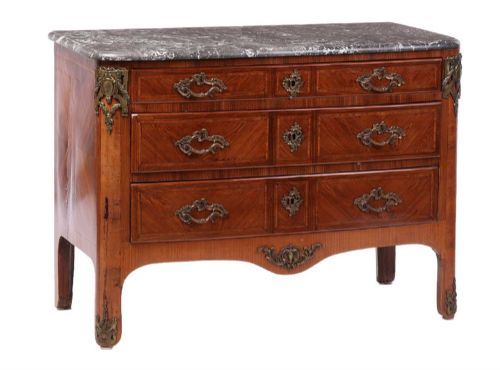
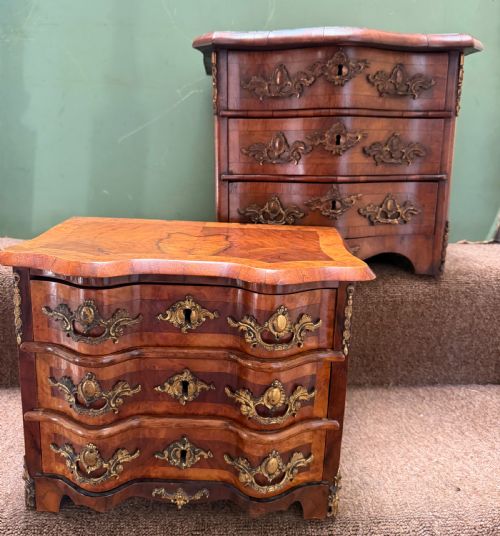
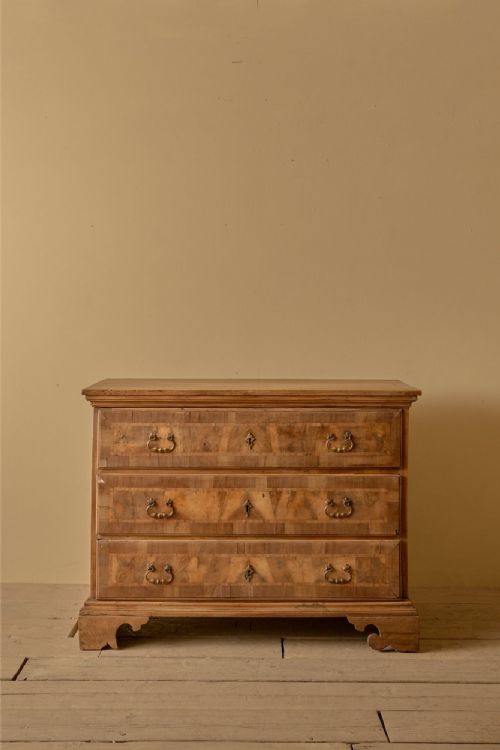
Cabinetmakers constructed these bodies primarily from solid timbers like walnut, cherrywood, oak, and fruitwood, sometimes applying decorative veneers such as kingwood and burr elm. Panels frequently display marquetry or parquetry geometric patterns.
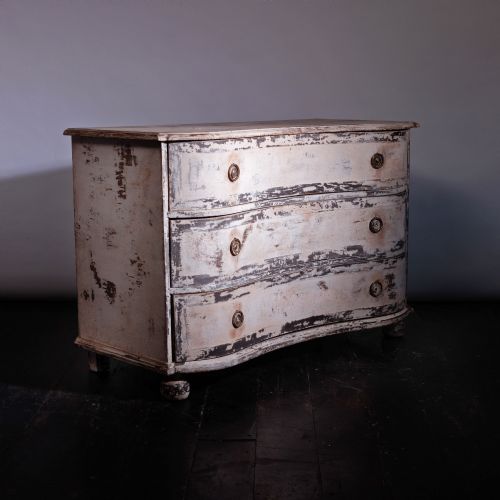
Surface detailing relies on hand-carved elements, brass mounts, and occasional painted finishes or ebonised treatments. Many pieces incorporate fitted marble slabs to top the wooden carcass.
Provincial Commode Chest Retail Price Guide 2026
Typical asking prices for provincial commode chest among the pieces listed under this phrase on Sellingantiques today, from the lower quarter to the upper quarter. They describe what is for sale here now, not the wider market.
Materials span walnut, oak, cherrywood, kingwood, painted wood, brass, and marble across eighteenth-century to twentieth-century periods.
What varies in quality
The standard of timber selection and complexity of carcass shaping set examples apart, with bombe and serpentine forms requiring advanced joinery skill. Rich grain figures in walnut or burr elm elevate an item above plain utility pieces.
Surface embellishments such as intricate marquetry inlays, substantial ormolu or brass mounts, and integrated marble tops distinguish high-status items from simpler provincial work.
The Provincial Commode Chest Glossary
- Bombe
- A bulging, swelling contour on the front and sides of a chest. This pronounced curvature demands advanced woodworking skill.
- Serpentine
- A wave-like front profile curving outward in the centre and inward at the sides. It appears frequently on eighteenth-century chests.
- Marquetry
- Decorative patterns formed by fitting contrasting pieces of wood veneer into a background panel. Artisans utilise various tinted woods to create pictorial or geometric designs.
- Parquetry
- Geometric wood inlay work arranged in regular patterns like cubes or herringbone. This technique decorates the surfaces of many eighteenth-century tops.
- Ormolu
- Gilded bronze mounts applied to furniture corners, feet, and drawer pulls. This decorative metalwork accents the timber frames.
Provincial Commode Chest: Frequently Asked Questions
Where were provincial commode chests made?
These items originated primarily in regional French workshops, reflecting local furniture traditions outside Paris.
Craftsmen adapted metropolitan royal styles to suit provincial tastes using native timbers like walnut, cherrywood, and oak.
How do I identify an 18th century commode?
Eighteenth-century examples typically exhibit hand-cut dovetail joints, pegged construction, and native regional timbers.
Stylistic markers such as Louis XV curves or early serpentine shapes help distinguish this period from later nineteenth-century revivals.
What is a marble top commode used for?
The stone surface provided a durable, heat-resistant table area for washing utensils or displaying decorative objects.
Many French and Swedish bedroom cabinets incorporated these heavy stone slabs into the top carcass.
How do I place a commode chest at home?
These units function well as bedside cabinets, hallway side tables, or main bedroom storage chests.
Their decorative wood grains and marble surfaces suit both traditional interiors and modern living spaces.