
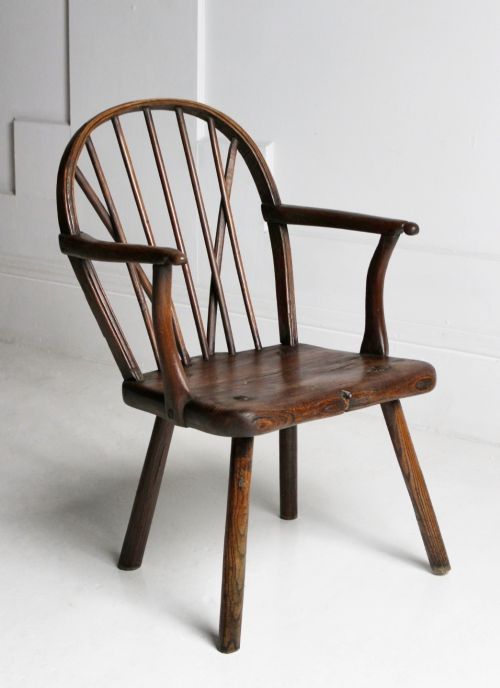


Primitive Oak Furniture
Primitive oak furniture comprises rustic country seating, tables, and storage pieces shaped by local makers using solid timbers.
Primitive Oak Furniture
When you search for primitive oak furniture, you encounter robust domestic objects made for everyday utility rather than formal display. These pieces encompass everything from sturdy 17th century chests and 18th century cricket tables to low child chairs and rustic benches.
Beyond seating, the range extends to occasional tables, cupboards, and work benches originating from the 17th, 18th, and 19th centuries. Each survivor displays the direct methods of country carpenters who worked without urban pattern books.
Materials and construction methods
Makers relied primarily on oak, supplemented by elm, ash, and other native hardwoods chosen for strength and availability. Boards were often cleft and hewn rather than machine sawn, leaving distinct tool marks across the surfaces.
Joints typically involved simple pegging, mortise and tenon construction, or wedged round tenons driven straight through seats. Blacksmiths provided essential reinforcement through handmade iron hinges, locks, and structural repairs.
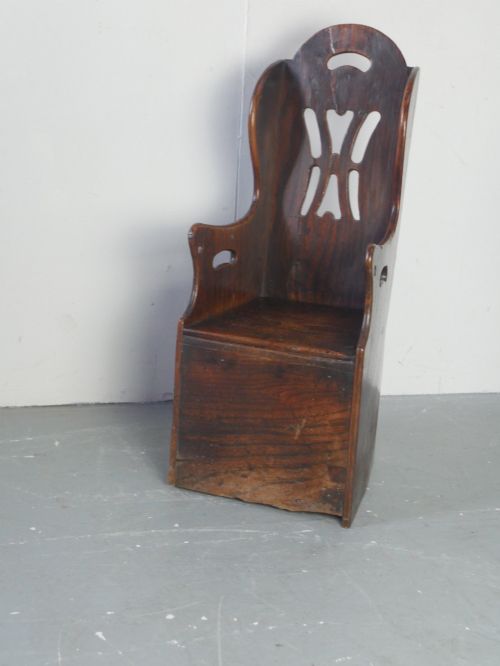
Several diminutive chairs and high chairs survive here, built down to scale so the youngest household members could join table meals.
Assessing quality in country pieces
Quality rests in the balance of proportions, the integrity of the original structure, and the honesty of wear. Superior examples retain their unreduced height and original surface patination without excessive modern intervention.
The skill of the maker shows in the clever placement of splayed legs for stability and the ergonomic shaping of solid seats. Modifications or replaced components alter the historical weight of a piece.
The Primitive Oak Furniture Glossary
- Vernacular
- Objects designed and built by local craftsmen to fulfill specific regional domestic or agricultural needs. These pieces ignore academic stylistic rules in favour of practical construction.
- Comb back
- A chair design where the vertical spindles of the backrest extend up through a top rail resembling the teeth of a comb. This regional seating form offers both lightness and strength.
- Cricket table
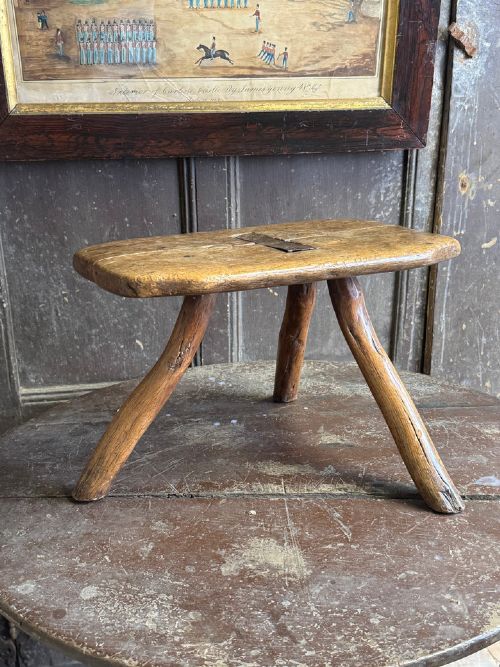
- A small three-legged table traditionally used on uneven flagstone floors. The tripod base ensures the table stands firmly without rocking.
- Splayed legs
- Legs angled outwards from the centre of the seat to provide a wider, more stable footprint. This technique appears frequently on country stools and chairs.
- Dug out
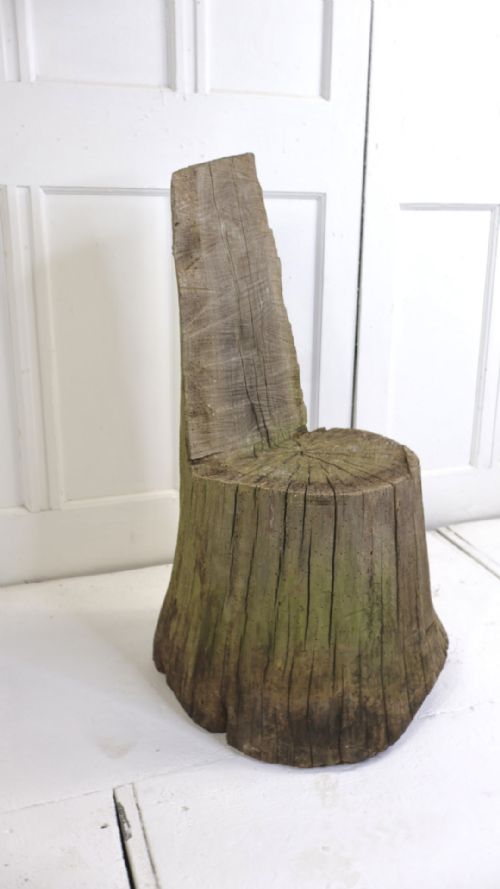
- A form of construction where a seat or container is literally hollowed out from a single massive block of timber. It represents an ancient method of working wood.
Primitive Oak Furniture: Frequently Asked Questions
What defines primitive oak furniture?
These pieces are unpretentious domestic items made by country joiners for daily use in farmhouses, cottages, and workshops. They prioritise sturdy utility over decorative refinement.
The materials are predominantly native timbers like oak, elm, and ash, shaped with straightforward hand tools and traditional joints.
How do I date an antique piece?
Dating relies on tool marks, construction methods, timber shrinkage, and regional styles. Hand-cleft boards and early blacksmith ironwork often point to the seventeenth or eighteenth centuries.
Changes in chair back designs and leg turnings help separate Georgian examples from later nineteenth-century interpretations.
Where were these items made?
Most pieces originate from rural regions with strong local woodworking traditions, particularly Wales and the English countryside. Makers used whatever native hardwoods grew nearby.
Specific regional variations appear in stick chair construction, such as those originating from the Snowdonia or Carmarthenshire areas.
How should I care for primitive oak?
Keep these items away from direct heat sources and sudden humidity changes to prevent the old timber from splitting. Feed the surface occasionally with natural wax to preserve the dry finish.
Allow the wood to breathe and maintain its historic patination rather than attempting harsh modern stripping or varnishing.