
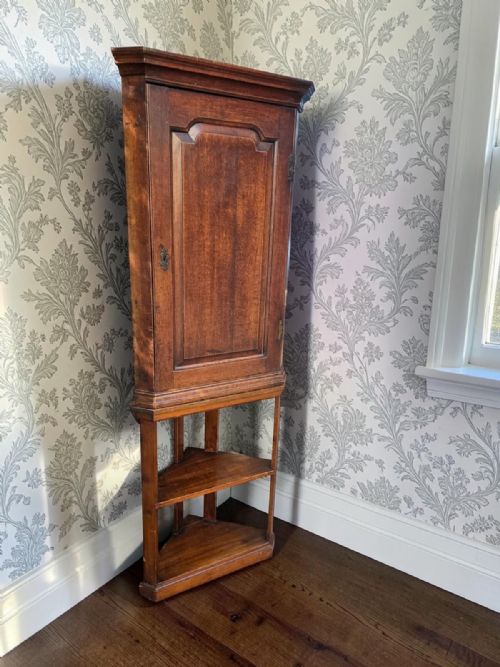
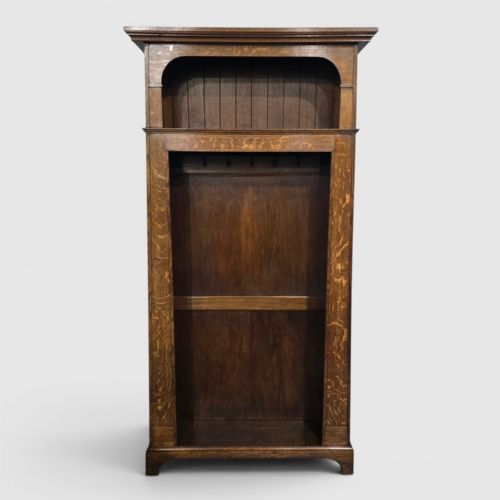
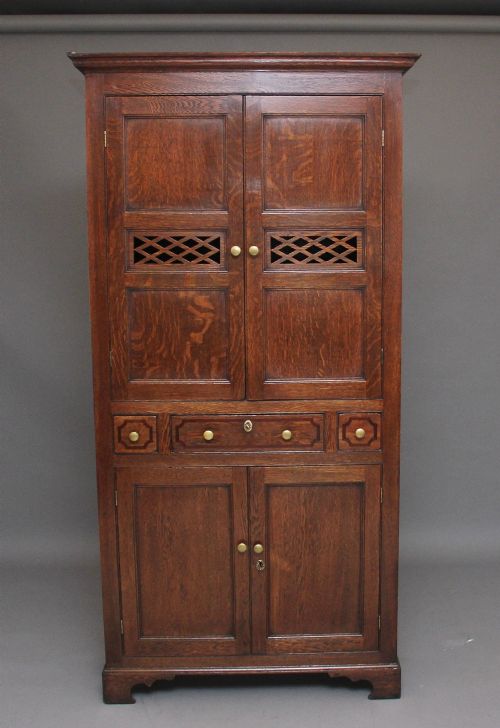


Rustic Standing Oak Cupboard
These rustic standing oak cupboard examples bring honest vernacular timber and enduring utility into a room.
Rustic Standing Oak Cupboard
When you search for a rustic standing oak cupboard, you are looking at substantial storage furniture shaped by regional traditions and practical domestic needs. These pieces range from early provincial French cabinets to Georgian floor standing corner cupboards and Victorian hall pieces.
You are most likely to meet 18th-century and 19th-century examples on this page, often featuring panelled construction or two-part body designs. They serve as functional focal points in kitchens, hallways, and living spaces.
The selection includes specialised forms such as food cupboards, metamorphic pieces, and corner cabinets. Each item reflects the vernacular style of its origin, whether English, French, or Welsh.
How they were made
Makers built these pieces primarily from solid oak, sometimes combining it with secondary woods like mahogany. Construction relied on traditional panelled methods and robust joinery designed to withstand daily use over centuries.
Metalwork played a crucial structural and decorative role, featuring original wrought iron hinges, brass fittings, and blacksmith-forged locks. Surfaces were often left with natural polishes or patinas that highlight the grain of the timber.
Listings feature periods spanning from the 17th century through the Victorian era up to 1920.
What varies in quality
The distinction between standard and superior pieces rests on the integrity of the original timber and the survival of early hardware. Original blacksmith locks and wrought iron hinges elevate the authenticity of an 18th-century or 19th-century cabinet.
Proportion, regional character, and untouched surfaces determine the standing of a piece within its period. Examples retaining their original two-part structure and honest vernacular detailing represent the higher tier of the range.
The Rustic Standing Oak Cupboard Glossary
- Vernacular
- Architecture or furniture built by local craftsmen using traditional regional methods and local materials. It prioritises practical utility over high-style academic design.
- Panelled
- A method of construction where flat boards are fitted within a surrounding frame to allow for natural wood movement. This technique prevents warping in large timber surfaces.
- Metamorphic
- Furniture designed to transform into another object, such as a piece that changes from a seat or bench into a cupboard. These inventive designs served multiple domestic functions in smaller spaces.
- Provincial
- Describing items made in the regions rather than the capital city. Provincial pieces often display charming local variations in style and construction.
Rustic Standing Oak Cupboard: Frequently Asked Questions
How do I date an old oak cupboard?
Dating relies on examining the construction methods, such as pegged joints, hand-cut panels, and the style of the mouldings. Hardware like blacksmith-forged hinges and locks also offers reliable clues to the period.
Comparing the timber grain, wear patterns, and regional characteristics helps narrow down whether a piece originates from the 17th, 18th, or 19th century.
What is a corner cupboard used for?
Floor standing and hanging corner cupboards were originally designed to utilise awkward 90-degree spaces in dining rooms, kitchens, and parlours. They stored tableware, food, or household provisions out of the way.
Today, they serve a similar purpose while displaying books, ceramics, or glassware in modern domestic interiors.
How do I care for antique oak furniture?
Keep wooden furniture away from direct heat sources and drastic humidity changes to prevent the timber from splitting. Regular dusting with a dry or slightly damp cloth maintains the surface.
Applying a traditional beeswax polish occasionally helps nourish the aged oak and preserves its natural sheen without building up heavy chemical residues.
Are these cupboards made of solid oak?
Most traditional pieces featured in these listings are constructed from solid oak timber, sometimes paired with secondary woods in hidden areas. Regional makers utilised local hardwood for its durability and strength.
Descriptions will specify if mahogany or other timbers form part of the construction, particularly in later 19th-century hybrid pieces.