


Primitive Country Furniture
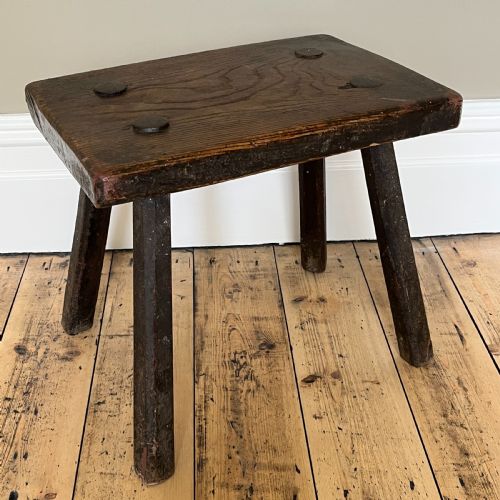
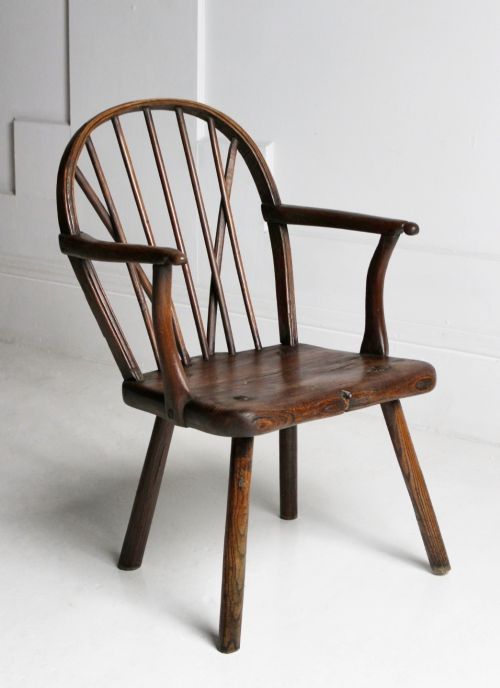
Primitive country furniture gathers the honest work of regional makers using oak, elm, ash, and pine to shape everyday seating, tables, and storage.
Primitive Country Furniture
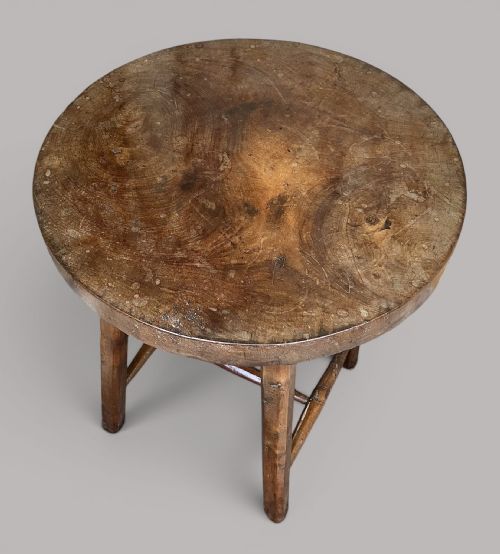
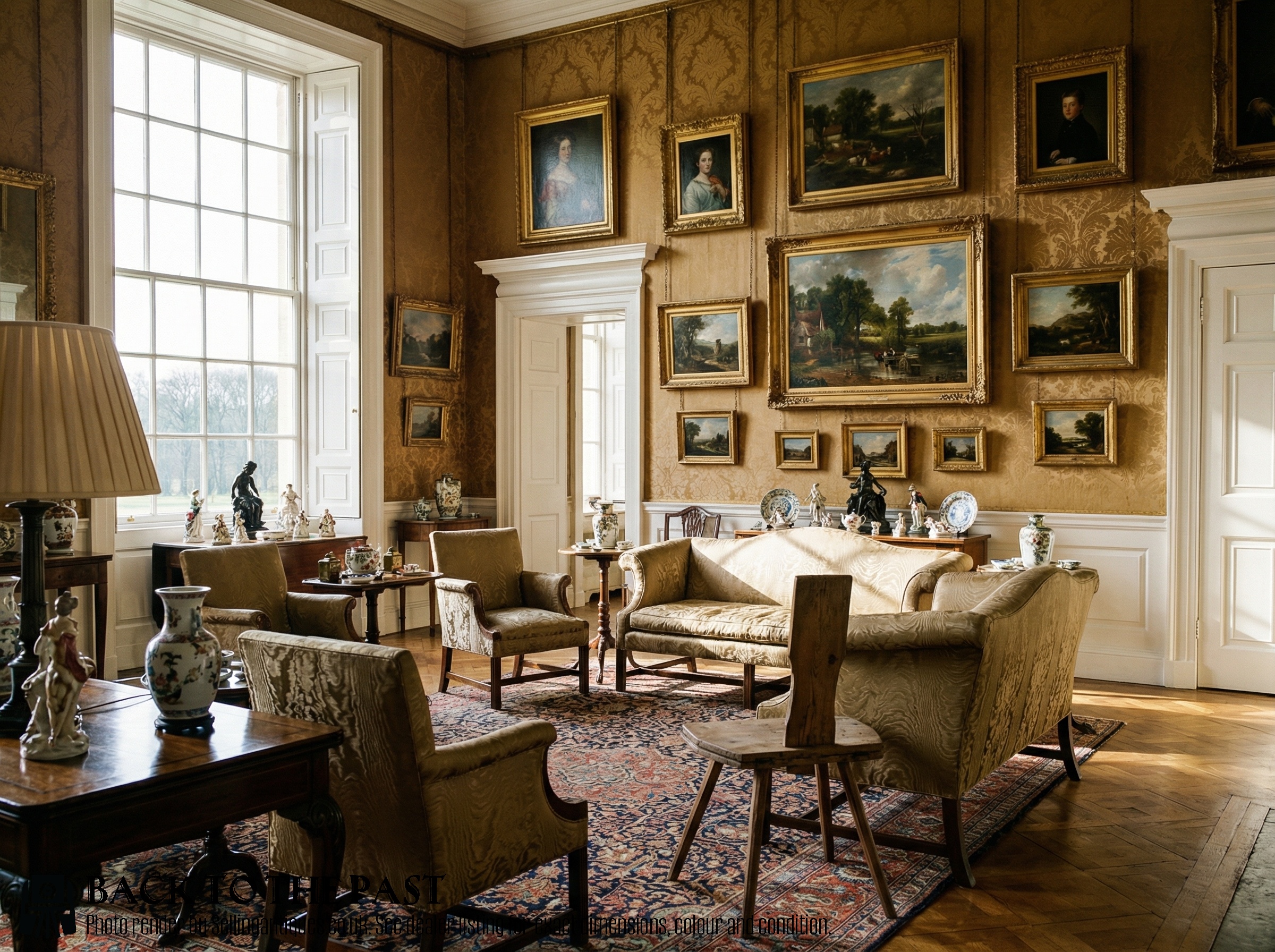
Primitive country furniture comprises utilitarian objects made by local hands for daily domestic and agricultural use, free from the strict rules of metropolitan cabinet making. The pieces found here span from the 18th century through to the Victorian era and Edwardian period, originating from English, Welsh, French, Hungarian, and Scandinavian workshops.
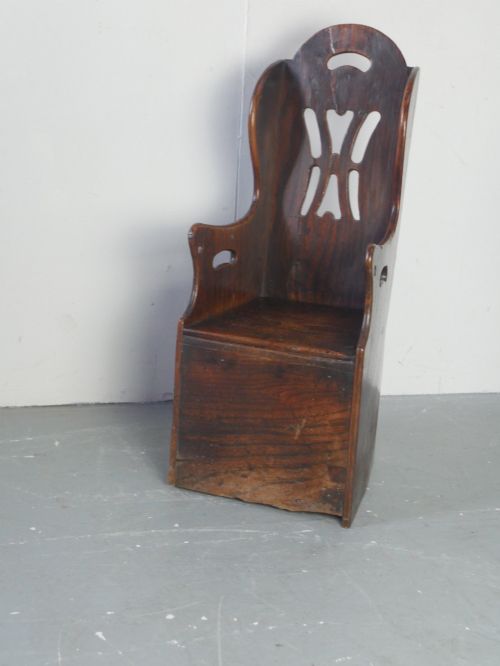
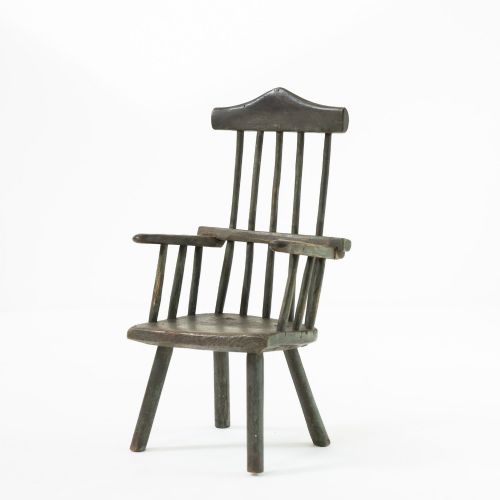
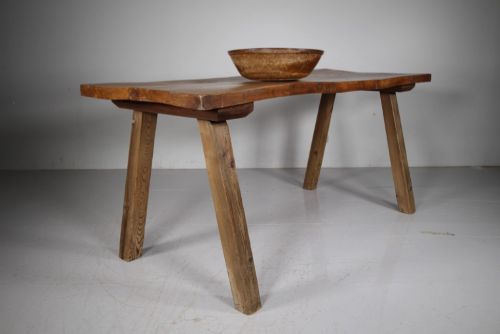
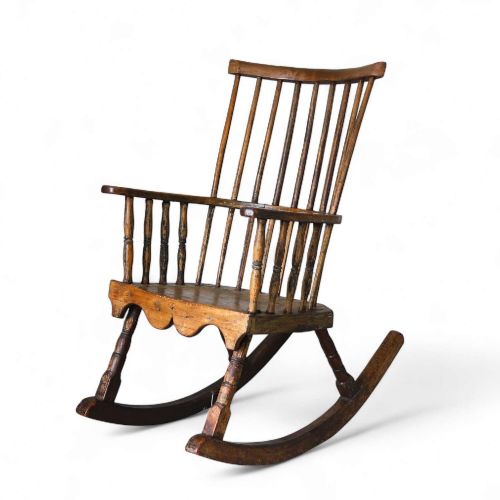
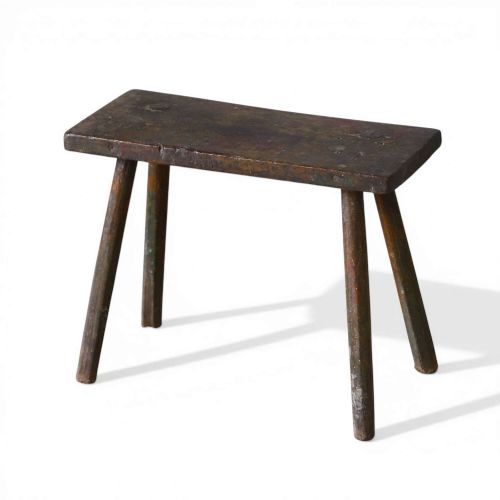
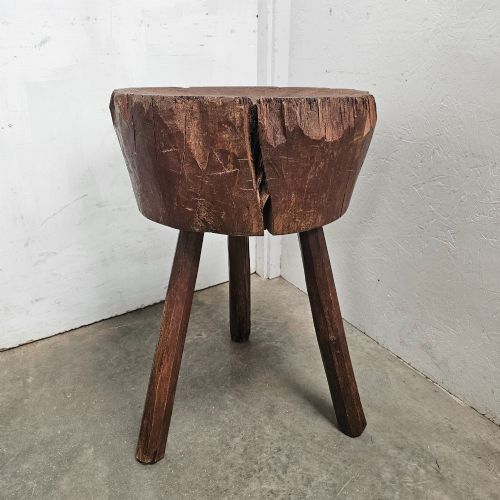
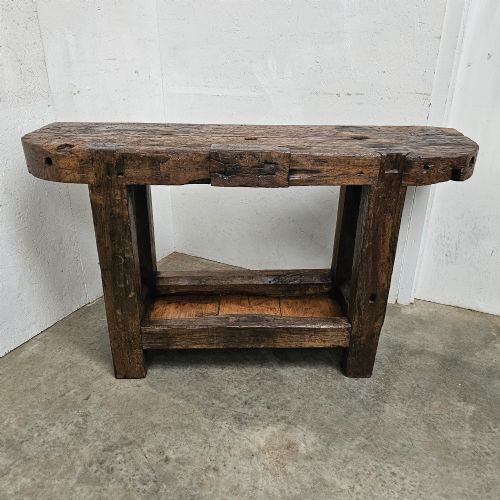
Seating dominates the selection, ranging from low stick back armchairs and Welsh comb-back Windsors to solid wooden stools, benches, and children's chairs. Tables, chopping blocks, workbenches, cupboards, and chests of drawers complete the range, often displaying simple construction methods suited to rural life.
How they were made
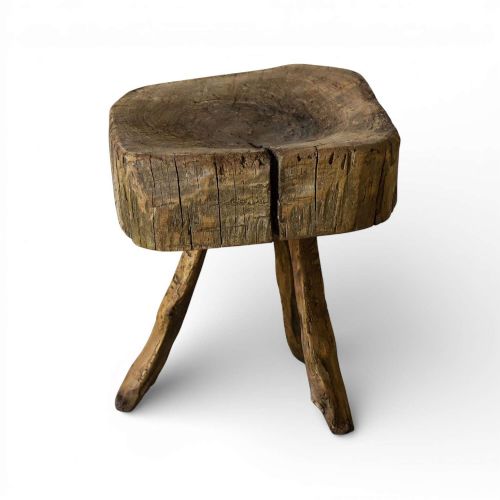
Makers utilised locally available timber such as oak, elm, ash, pine, beech, and fruitwood, often combining multiple woods within a single piece depending on structural needs. Seats were frequently carved from a single solid block of elm or dug out from pine, while legs were turned or shaped from ash and secured with wedges.
Joinery relied on basic yet robust techniques including pegging, splayed leg joints, and stick-construction where spindles fit directly into heavy seats. Blacksmiths provided essential reinforcement through handmade iron locks, hinges, and structural repairs.
Listings feature items built from oak, elm, ash, pine, and various hardwoods across the eighteenth, nineteenth, and early twentieth centuries.
What varies in quality
Quality rests upon the harmony of the timber selection and the integrity of the original construction rather than decorative flourish. Pieces that retain their unstripped surfaces, original paint, or historic blacksmith repairs hold greater character and historical honesty.
Proportion and the sculptural quality of the carved seats or gnarled legs separate standard utility items from more accomplished regional forms. The balance between rustic simplicity and structural survival defines the merit of each piece.
The Primitive Country Furniture Glossary
- Stick back
- A chair construction method where turned spindles or sticks are tenoned directly into a solid wooden seat. This method provides robust support without complex framing.
- Comb back
- A chair design featuring a high backrest topped by a horizontal bentwood bow that resembles the shape of a traditional hair comb. The vertical spindles pass through this top rail.
- Cricket table
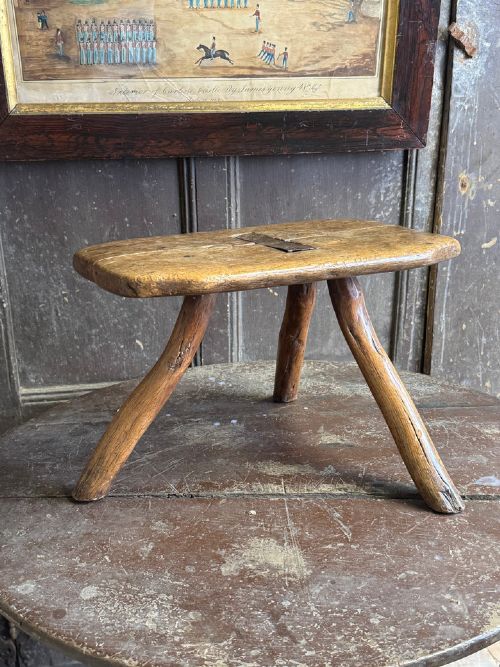
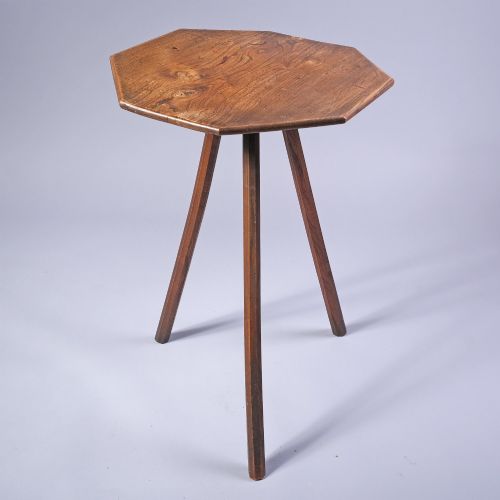
- A small, lightweight three-legged table, typically constructed from oak or fruitwood with splayed legs for stability on uneven farmhouse floors. The three-legged design prevents rocking.
- Splayed legs
- Legs that angle outward from the centre of the underside to widen the base of support. This technique enhances stability on uneven floors.
- Dug out
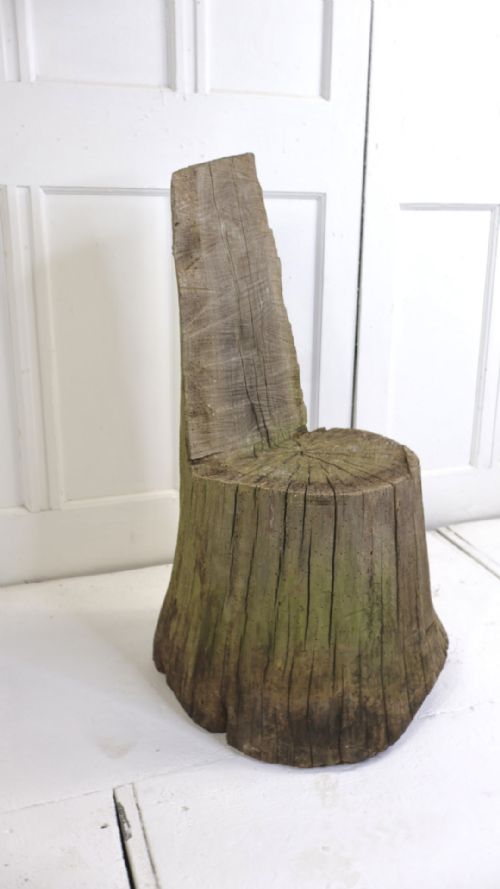
- A form of seating or vessel hewn directly from a single solid log rather than assembled from separate pieces of timber. This dense construction yields heavy, durable forms.
Primitive Country Furniture: Frequently Asked Questions
What is primitive country furniture?
It is unpretentious domestic and utilitarian woodwork made by regional craftspeople for everyday use in rural homes, workshops, and farms. The forms prioritize function over decoration, utilising native timbers available to the local maker.
Items range from seating like Windsor chairs and milking stools to workbenches, tables, and small storage pieces. These objects reflect the traditions and materials of specific geographic regions rather than urban workshop standards.
How do I care for primitive wooden furniture?
Keep the wood away from direct heat sources and dramatic humidity fluctuations to prevent splitting or warping in old timbers. Apply a light wax occasionally to nourish dry surfaces without building up heavy chemical residues.
Avoid harsh modern cleaning agents that strip historic patinas or original paint finishes. Gentle dusting with a dry or slightly damp cloth preserves the surface character accumulated over centuries.
How can I tell the age of these pieces?
Dating relies on observing construction methods, tool marks, timber shrinkage, and the type of fixings used in the assembly. Hand-carved surfaces, pegged joints, and early blacksmith-made ironwork often point to eighteenth-century or earlier origins.
Compare the style against regional traditions, such as Welsh stick chairs or Scandinavian dug-out forms. Wear patterns and the integration of multiple native woods also offer clues to the period of manufacture.
Why are different woods used in one chair?
Country makers selected specific timbers for their distinct mechanical properties to ensure the piece withstood heavy daily use. Flexible ash worked well for steam-bent bows, while tough elm resisted splitting when used for solid carved seats.
Using whatever native timber lay to hand was a practical necessity rather than an aesthetic choice. This pragmatic mix gives rustic seating its varied grain patterns and tonal contrasts.