



Georgian Primitive Furniture
Georgian primitive furniture brings honest regional character and unpretentious domestic utility into modern spaces.
Georgian Primitive Furniture
Georgian primitive furniture encompasses seating, tables, cupboards and benches made across the eighteenth and early nineteenth centuries. These pieces reflect regional vernacular traditions rather than metropolitan workshop fashions, prioritising function and local materials above ornament.
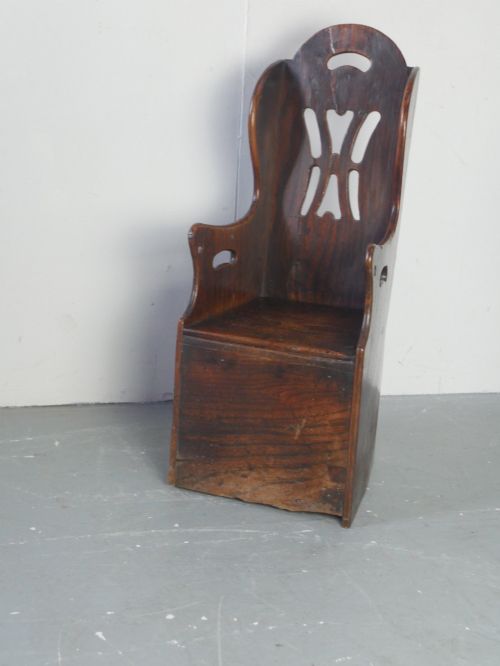
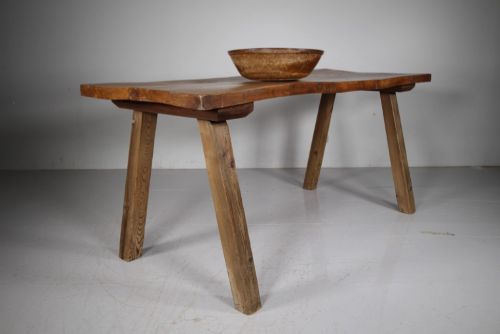
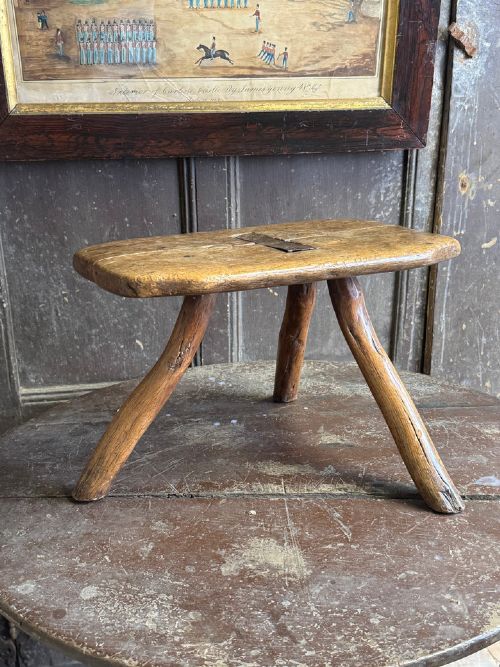
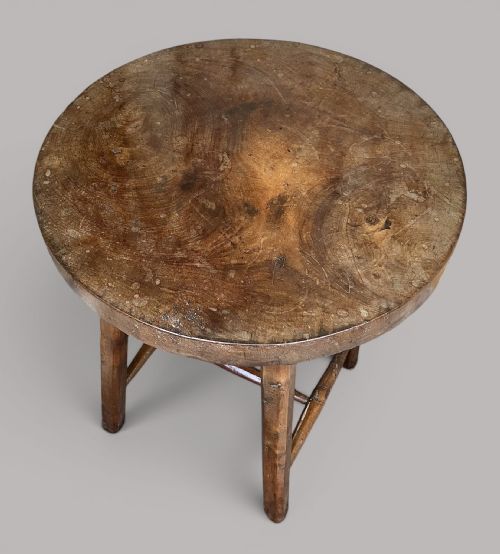
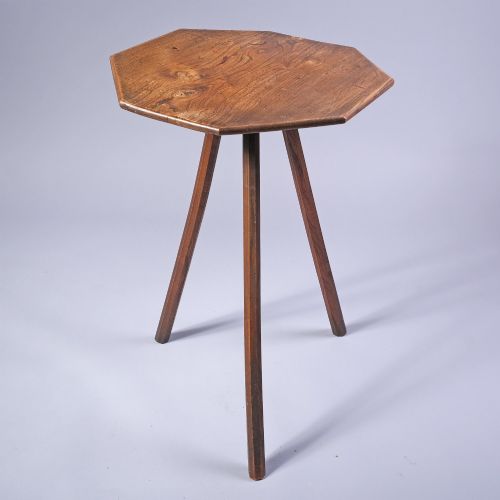
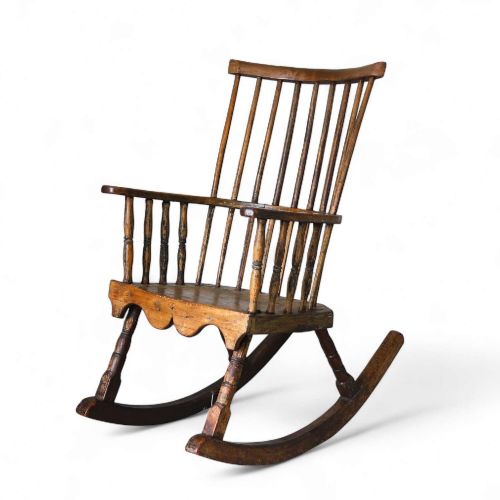
The version most commonly met on this page is the country chair, particularly stick-back and comb-back Windsor forms alongside low stools and dining tables. Oak, ash, elm and pine dominate the selections, often showing regional Welsh or English country origins.
Makers utilised whatever timber lay close to hand, frequently combining woods within a single object such as an elm seat paired with ash spindles and fruitwood arms. This resourceful construction gives each piece an individual appearance that distinguishes it from standard cabinet work.
Materials and construction methods
Local timbers dictate the physical character of these items, with heavy use of oak, elm, ash, pine and sycamore. Carpenters and rural bodgers turned green wood on pole lathes for spindles and legs, allowing the timber to shrink and lock joints firmly together as it seasoned.
Iron fittings appear as original blacksmith-made hinges, locks and structural repairs that demonstrate practical maintenance over generations. Surfaces often retain early waxed finishes or scumble paint rather than high-gloss polishes.
Current listings span the eighteenth and nineteenth centuries, featuring oak, ash, elm, pine, iron, walnut, sycamore and hardwood across eight distinct object types.
Judging the quality of country pieces
Quality in these domestic objects rests upon proportion, structural integrity and the retention of original surfaces. Pieces with balanced dimensions and well-sculpted seats command greater attention than utilitarian items lacking such sculptural consideration.
The survival of original blacksmith repairs and unstripped timber patination adds historical depth. Alterations to legs or replaced components alter the integrity of the piece and shift its standing among collectors.
The Georgian Primitive Furniture Glossary
- Vernacular
- Architecture and furniture built by local craftsmen using traditional regional methods rather than following formal academic design books. These items serve everyday domestic or agricultural needs.
- Comb-back
- A chair design where the vertical stick back extends upwards through a top rail, resembling the teeth of a comb. This construction offers strong support.
- Scumble
- A translucent layer of paint applied over a base coat to imitate the grain of finer woods or create a decorative mottled surface. Country furniture often uses this finish for visual richness.
- Splayed legs
- Legs angled outwards from the centre of the base to provide greater stability on uneven flagstone or earth floors. This feature is common on rural tables and stools.
- Box settle
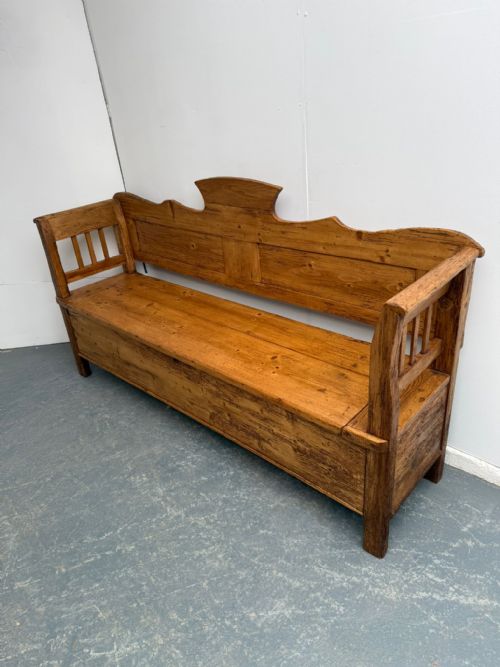
- A high-backed wooden bench with enclosed storage beneath the seat. The solid back shields occupants from draughts in open-hearth kitchens.
Georgian Primitive Furniture: Frequently Asked Questions
What is primitive furniture?
Primitive furniture comprises simple, utilitarian domestic objects made by rural craftsmen using local materials and traditional hand tools. These pieces bypass fashionable court or city styles in favour of direct, functional design.
Items range from settles and benches to dairy tables and Windsor chairs, each built to withstand rigorous daily use in country homes and farmhouses.
How do I date an antique stick chair?
Dating relies on examining tool marks, timber selection, construction methods and wear patterns. Earlier examples often display adzed seats and tapered spindles shaped by drawknife rather than standard lathe turnings.
Regional variations also help narrow the period, as specific valleys and workshops developed distinct comb-back profiles and leg arrangements over the eighteenth century.
Are these pieces comfortable for daily use?
Many country chairs and benches offer surprising ergonomic comfort through sculpted wooden seats carved to fit the body. Their robust construction suits everyday seating.
Placing them in modern interiors requires basic care, such as maintaining stable indoor humidity to prevent movement in unseasoned timbers and old joints.
Why do timbers differ within one chair?
Country makers selected specific woods for the structural properties each part required. Tough elm provided a split-resistant solid seat, while flexible ash suited steamed spindles and bending arms.
This functional mixture of woods reflects the resourcefulness of rural workshops working with available local resources rather than uniform imported supplies.