





Powdered Wig Painting
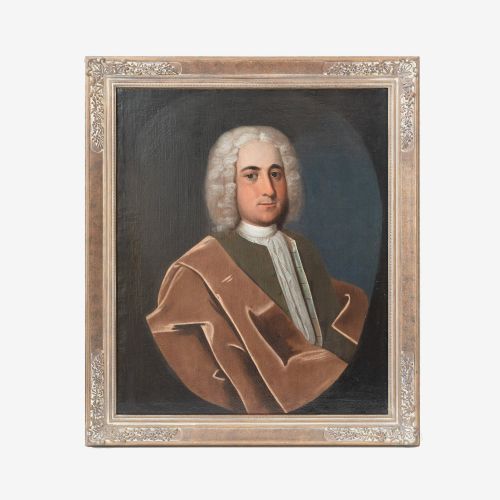
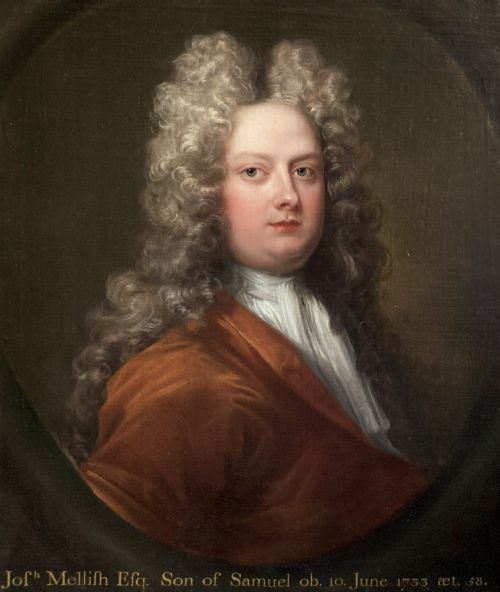
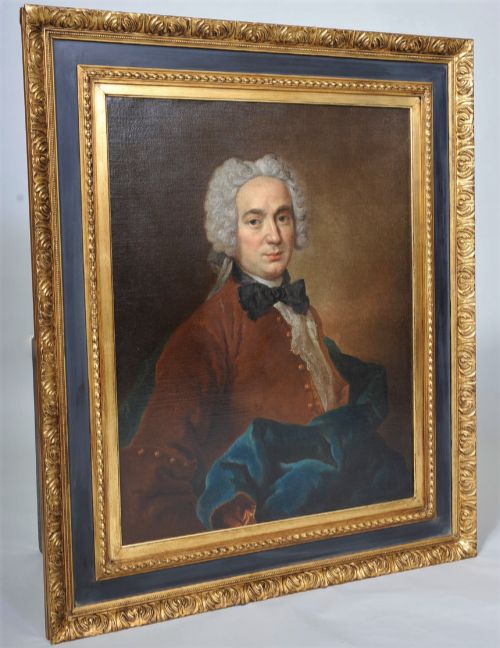
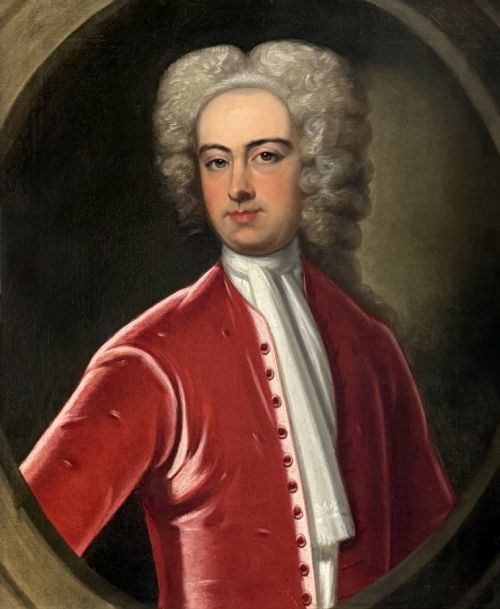
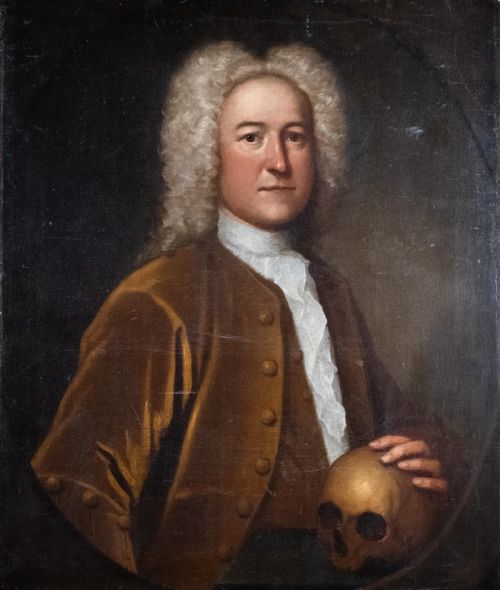
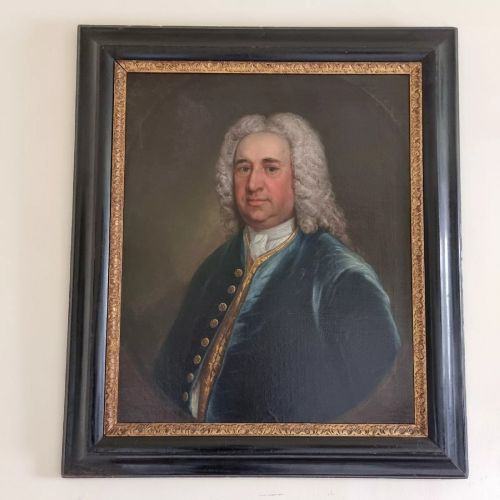
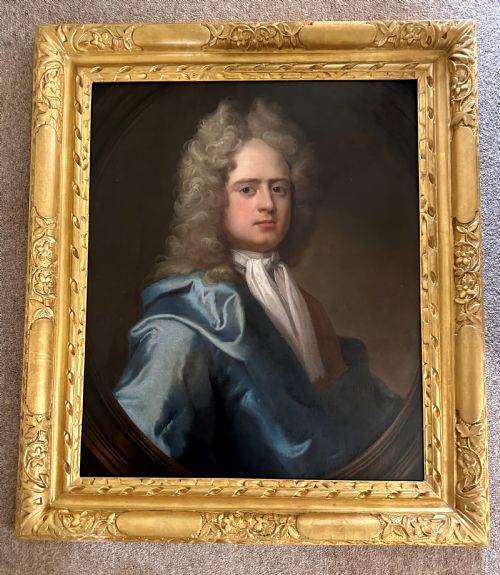
These powdered wig painting works present gentlemanly oil portraits from the Georgian era and early eighteenth century.
Powdered Wig Painting
A powdered wig painting captures the likenesses of eighteenth-century gentlemen, merchants, and clerics rendered in oil on canvas or enamel on miniature portraits. These works emerge predominantly from the Georgian era and early eighteenth century, reflecting the portraiture styles of British and French schools.
Most pieces on this page take the form of oil paintings on canvas, often housed in period giltwood or gilded wood frames. Subjects frequently appear in formal coats, holding objects like skulls or wearing costume fancy dress from historical periods.
Collectors encounter both full-scale canvas portraits and smaller portrait miniatures, depicting named sitters alongside anonymous gentlemen of the period. The common thread uniting these works is the depiction of eighteenth-century male fashion and powdered hair or formal wigs.
How they were made
Artists applied oil paint to stretched canvas surfaces, building depth through layered glazes and pigments typical of eighteenth-century portraiture. Miniature works utilised enamel or hand-painted surfaces to achieve fine detail on a smaller scale.
Frames constructed from wood received gilt or giltwood finishes, complementing the warm tones and dark backgrounds characteristic of the oil paintings.
Listings span the seventeenth century through the Edwardian era, featuring oil paintings on canvas and enamel portrait miniatures.
What varies in quality
The survival of original giltwood framing and the clarity of seventeenth and eighteenth-century canvas supports heavily influence the integrity of each piece.
Charles Jervas·Joseph Highmore·Enoch Seeman the Younger·Michael Dahl·Thomas Hudson·Jonathon Richardson·Andrea Soldi·Susie Lassam
The Powdered Wig Painting Glossary
- Oil on canvas
- Pigments bound in drying oil applied to a woven fabric support stretched across a wooden frame. This medium allowed artists to blend tones smoothly and achieve rich, lasting colour.
- Giltwood
- Wood carved and coated with gold leaf or gold paint, commonly used for eighteenth-century picture frames. Such frames provide the intended architectural setting for Georgian portraits.
- Portrait miniature
- A small-scale painting executed in fine detail, often on enamel or vellum, designed for intimate viewing or portable display. These works capture facial likenesses with remarkable precision.
- Enamel
- A glassy substance fused to a metal substrate through firing, providing a durable and luminous surface for miniature portraits. This technique resists fading over centuries.
- Follower
- An artist working in the style and tradition of a master painter without being a direct pupil. Such attribution denotes stylistic proximity to a known historical hand.
Powdered Wig Painting: Frequently Asked Questions
What is a powdered wig painting?
These works are eighteenth-century oil paintings and portrait miniatures depicting gentlemen from the Georgian period and surrounding eras. They capture the formal attire, hairstyles, and wigs worn by men of status during the seventeen-hundreds.
Subjects range from named merchants and clergymen to anonymous sitters, typically rendered by British and European portraitists on canvas or enamel.
How were these portraits displayed?
Original owners hung these oil paintings in domestic interiors, panelled rooms, and galleries as demonstrations of lineage, status, and taste. Gilded wood frames accompanied the canvases to complement interior decor.
Miniatures offered a more personal form of display, often kept in private chambers or carried on the person as tokens of remembrance.
How do I live with an oil portrait?
Place these canvases away from direct sunlight and steady heat sources to protect the oil paint and canvas fibres from drying out or cracking. Stable indoor humidity preserves both the wooden stretcher and the giltwood frame.
Dust the gilded frames gently with a soft, dry brush and avoid applying liquid cleaners directly to the painted canvas surface.
How do I tell periods apart?
Early eighteenth-century works, such as those from the 1700s and Georgian decades, typically feature specific costume details, collar shapes, and wig styles unique to the reigns of Queen Anne and the early Georges. Later Edwardian pieces, like those from 1910, show revivalist techniques or fancy dress interpretations.
Inscribed details, signatures on the reverse, and sitter biographies help narrow the date of execution alongside stylistic markers in the clothing.