



Antique Fine Art Miniature
An antique fine art miniature delivers intimate portraiture and delicate historical scenes compressed into handheld formats.
Antique Fine Art Miniature
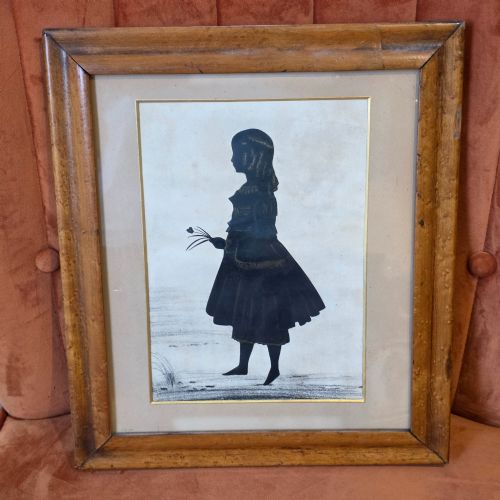
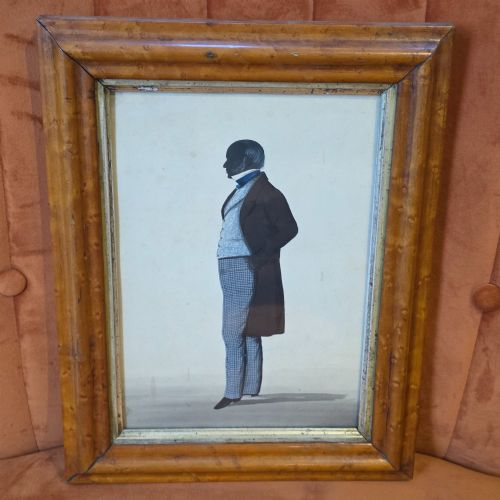
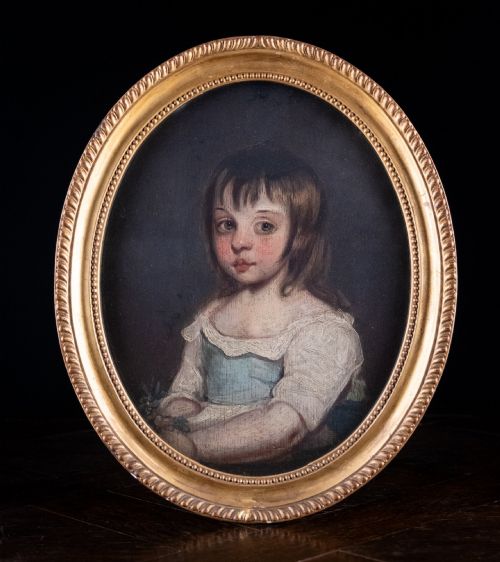
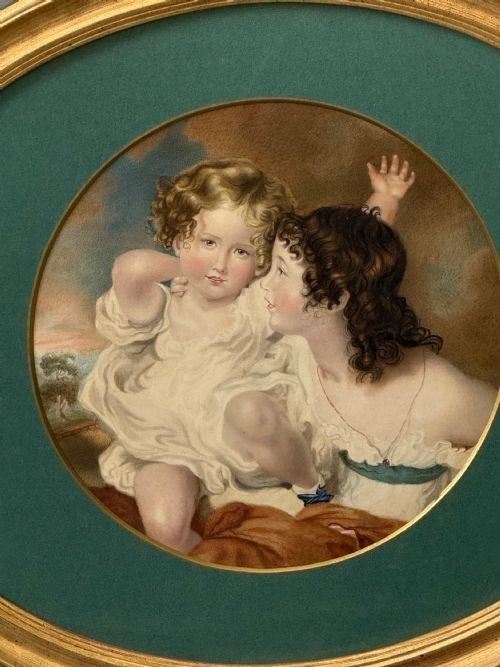
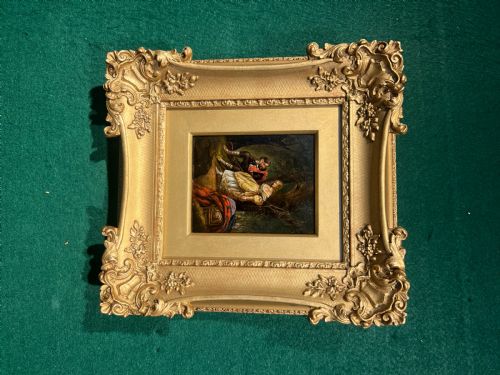
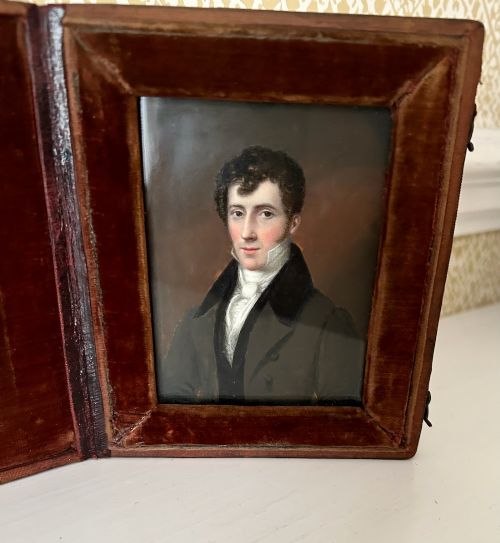
When you search for an antique fine art miniature, you encounter small-scale paintings, drawings, silhouettes, and ceramic plaques produced across the seventeenth, eighteenth, and nineteenth centuries. The majority of pieces on this page span the Georgian and Regency periods through to the Victorian era, depicting named sitters and anonymous subjects in minute detail.
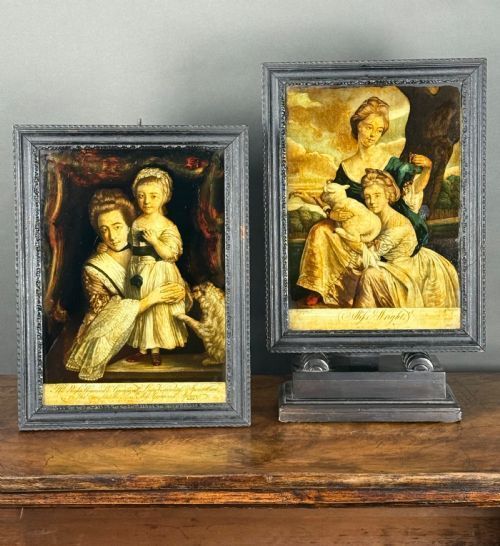
These works range from intimate family tokens to courtly commissions by named artists, utilising diverse supports from ivory alternatives and paper to copper and agate. Portrait miniatures form the core of the selection, accompanied by delicate watercolours, plumbago drawings, and reverse glass mezzotints.
How they were made
Artists deployed watercolour, oil paint, pastel, and gouache across fragile supports including paper, parchment, prepared card, and copper panels. Silhouette makers utilised fine hand-cut paper paired with watercolour detailing, whilst ceramic pieces relied on porcelain plaques painted with precision.
Frames play an integral role in construction, utilising gilt wood, gilt metal, and occasionally eighteen-carat gold to protect and display the delicate paint surface beneath glass.
Listings feature works spanning the seventeenth to the twentieth centuries, employing watercolour, oil paint, graphite, and cut paper.
What varies in quality
The distinction between standard works and exceptional pieces rests upon the precision of the brushwork and the psychological depth captured in the sitter's expression. Master practitioners render lace, hair, and fabric textures with microscopic clarity whilst maintaining life in the eyes.
The original housing heavily influences overall merit; pieces retaining their period gilt frames, convex glasses, and contemporary backing papers command greater attention from collectors.
James Sharples·John Taylor·William Naish·Nicolas Freese·Frederick Buck·Albin R Burt·William Egley·Louis Léopold Boilly·Edward Pugh·Samuel Cotes·Diana Hill·AE Chalon·George Perfect Harding
The Antique Fine Art Miniature Glossary
- Plumbago
- A drawing executed in graphite, taking its name from the Latin word for lead ore. These monochrome works were popular in the seventeenth and eighteenth centuries for detailed portraiture.
- Reverse glass mezzotint
- An image transferred or painted onto the underside of a glass pane and viewed from the front. This technique protected the delicate ink or pigment from atmospheric degradation.
- Gouache
- An opaque water-based medium containing pigment mixed with water and an inert white filler. It offers denser coverage than watercolour and allows for rich highlights in miniature costume painting.
Antique Fine Art Miniature: Frequently Asked Questions
How were antique miniatures displayed?
Miniatures were rarely hung on walls during their original period of use, unlike larger oils. Instead, owners kept them in portable cases, tucked inside pockets, or wore them as pendants close to the heart.
Over time, collectors transitioned these intimate objects to cabinet display or wall mounting, often retaining their original protective leather cases or hinged gilt frames.
Who painted these small portraits?
Professional limners and portrait painters specialised in this exacting scale, requiring steady hands and magnifying lenses. Some artists worked exclusively in miniature, while others scaled down their larger oil techniques for wealthy patrons.
Signed pieces are prized, though many historical works remain unattributed or assigned to specific schools based on stylistic markers.
How do I date a miniature?
Clothing styles, hairstyles, and framing techniques provide the most reliable chronological clues for undated pieces. High collars, powdered wigs, and specific bonnet shapes tie directly to the Georgian, Regency, or Victorian eras.
Inscribed backing papers, old handwritten collection notes, and artist signatures further anchor the year of creation.
Are these works painted on ivory?
Many eighteenth and nineteenth-century miniatures utilise thin slices of ivory as a painting support because its translucent quality lends a natural glow to human flesh tones. Other examples rely on paper, card, copper, or porcelain plaques.
Examining the reverse or edges under magnification reveals the underlying material structure without removing the protective glass.