




Pot Board Cupboard
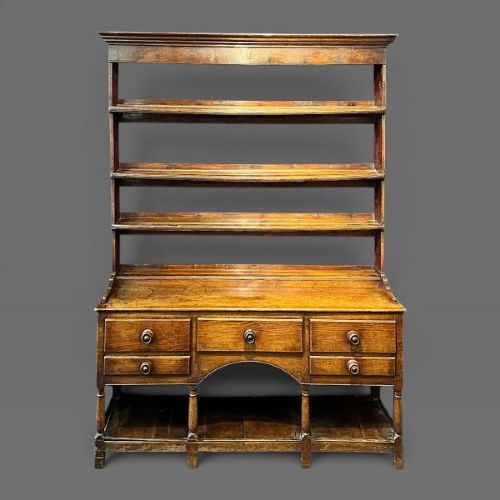
A pot board cupboard is a sturdy storage piece defined by its lower open shelf, offering both display space and traditional utility.
Pot Board Cupboard
A pot board cupboard spans formats from grand dresser bases to smaller sideboards and hall units, originating primarily in regional English and Welsh workshops. Buyers searching for a pot board cupboard encounter substantial timber forms built with an open lower tier traditionally reserved for cooling heavy cooking pots.
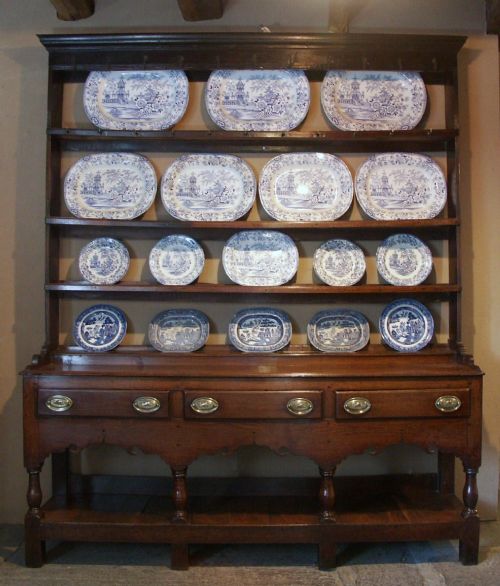
The material record heavily favours oak, supplemented by pine, walnut and mahogany in later iterations, alongside regional painted finishes. Forms include sideboards, dressers with delph racks, and tall hall cupboards dating from the seventeenth century through to the Edwardian era.
How they were made
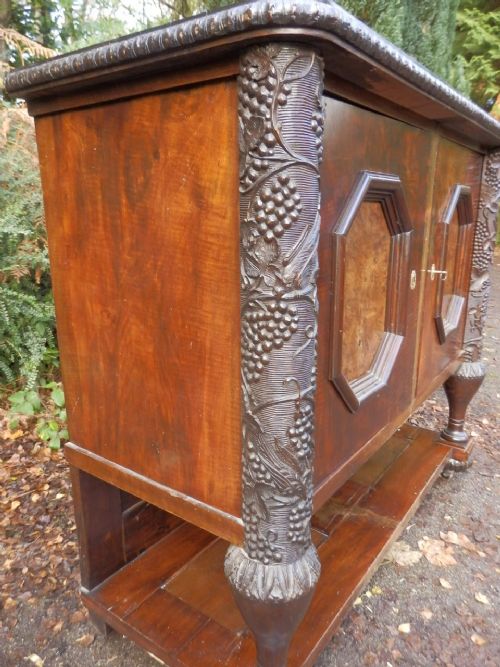
Makers constructed these pieces primarily using solid oak and pine, employing pegged mortise and tenon joints to secure heavy uprights and lower pot boards. Iron and brass hardware such as hinges and handles appeared on doors and drawers, while select examples featured fruitwood marquetry inlay.
Surfaces received straightforward hand-planing and waxing, though certain pieces display a painted finish or bleached treatments developed over centuries of use and later restoration.
Pot Board Cupboard Retail Price Guide 2026
Typical asking prices for pot board cupboard among the pieces listed under this phrase on Sellingantiques today, from the lower quarter to the upper quarter. They describe what is for sale here now, not the wider market.
Listings feature oak, walnut, pine, and mahogany across periods spanning the seventeenth century to the Edwardian era.
What varies in quality
Quality rests upon timber selection and the integrity of regional construction, where thick, quartersawn oak boards outlast thinner secondary woods. Finer pieces demonstrate precise joinery in the drawer linings and crisply carved panels that remain sharp despite centuries of wear.
Proportion and regional character dictate desirability, separating standard utility furniture from sophisticated examples with carved friezes, marquetry, or untouched original surfaces.
Gillows·Trapnell and Gane
The Pot Board Cupboard Glossary
- Pot board
- The low, open bottom shelf of a dresser or sideboard used historically for storing pots and pans off damp floors. It distinguishes traditional Welsh and English country furniture from standard enclosed cupboards.
- Delph rack
- The wooden shelving superstructure mounted atop a dresser base for displaying plates and pottery. It translates from regional earthenware storage traditions.
- Linenfold
- A style of woodcarving depicting folded cloth, frequently seen on panelled doors of earlier oak furniture. It gained popularity during the Tudor and revival periods.
- Quarter-sawn
- Timber cut radially from the growth rings to produce a durable board with a distinct grain figure. This method minimises warping in heavy oak furniture.
- Marquetry
- The art of applying decorative veneer pieces to a structural surface to create pictorial patterns. Fruitwood and contrasting timbers often form these floral or geometric designs.
Pot Board Cupboard: Frequently Asked Questions
What is a pot board?
A pot board is the low, horizontal shelf fixed near the floor between the legs of a dresser or sideboard. It provided a dry storage area for heavy kitchen utensils away from stone floors.
Over time, these boards evolved from utilitarian kitchen storage into display platforms for ceramics and decorative objects in country houses.
How do I style a pot board cupboard?
These pieces suit farmhouse kitchens, hallways, and living spaces where their deep timber tones anchor the room. Use the lower pot board for stacking large ceramic bowls or heavy copper cookware.
Keep the top surface uncluttered to showcase the grain of the oak or walnut, reserving upper plate racks for collected earthenware.
How do I date an oak cupboard?
Dating relies on examining construction methods, tool marks, and timber characteristics rather than relying solely on surface style. Hand-riven boards, pegged joints, and vernacular drawer construction typically point to seventeenth or eighteenth-century origins.
Revival pieces from the Victorian and Edwardian eras often feature machine-sawn timbers, standard iron screws, and standardised mouldings that betray their later manufacture.
Where were these cupboards made?
Many of these pieces originated in regional workshops across Wales and English counties such as Lancashire. Local joiners utilised native timbers like oak and fruitwood to build furniture suited to rural domestic life.
Later Victorian and Edwardian variations emerged from larger cabinet-making firms influenced by historic revival movements.