

Post Impressionist Oil
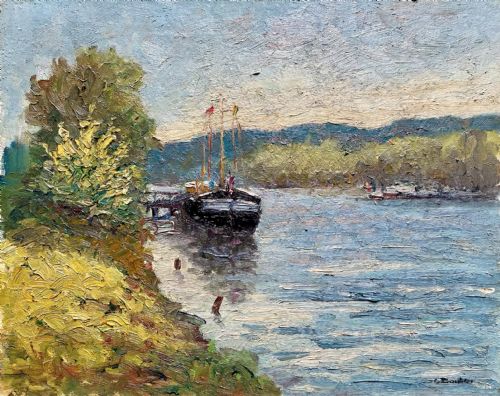
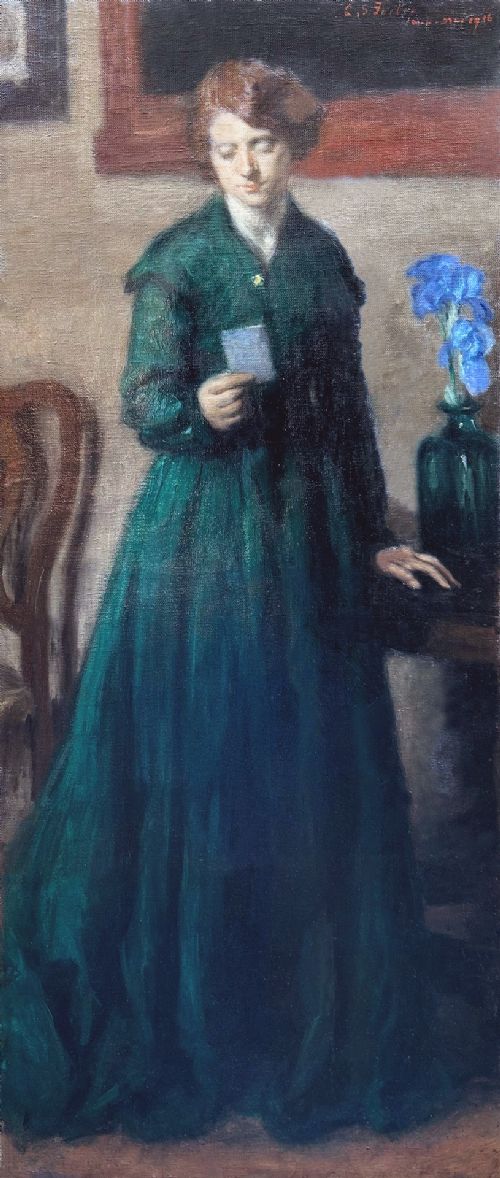
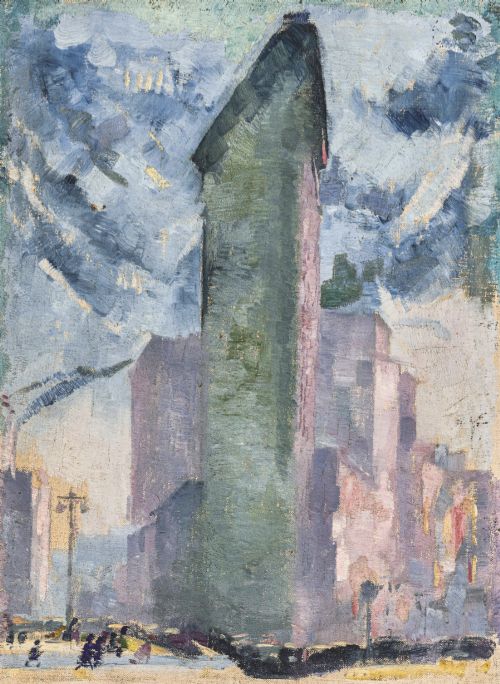
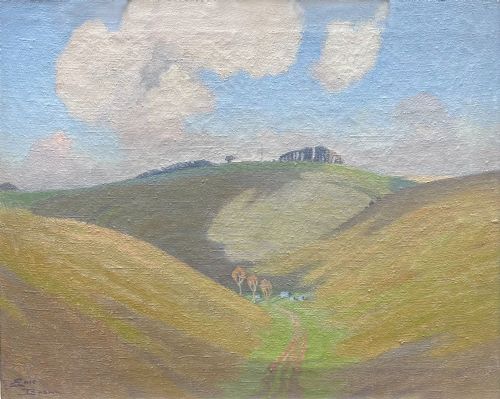
When you search for a post impressionist oil, you are exploring expressive canvases and panels defined by bold colour and visible brushwork from the late nineteenth century through to the mid-twentieth century.
Post Impressionist Oil
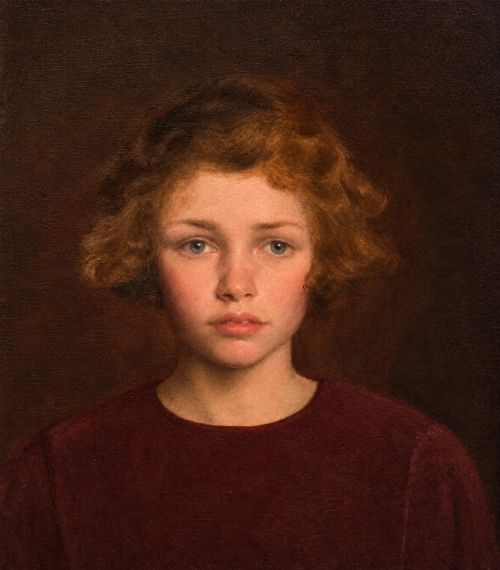
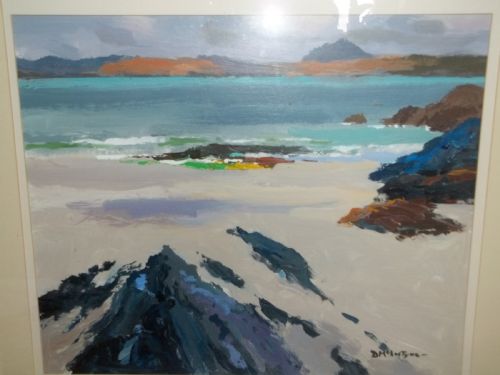
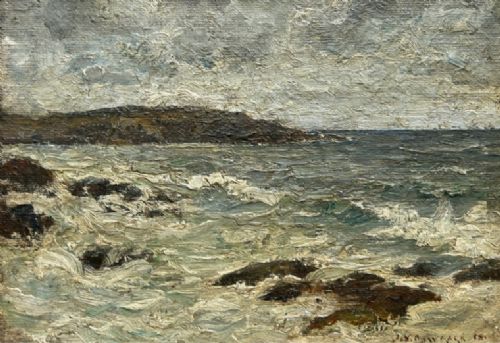
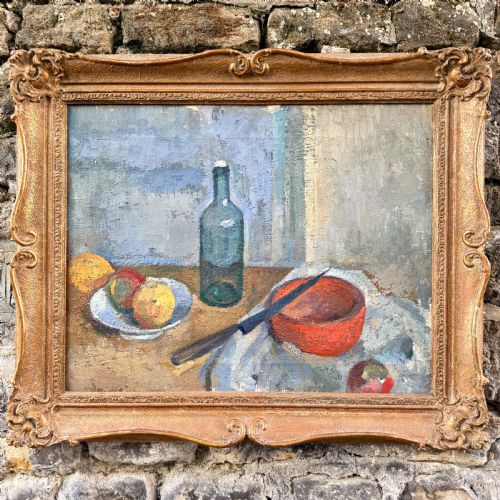
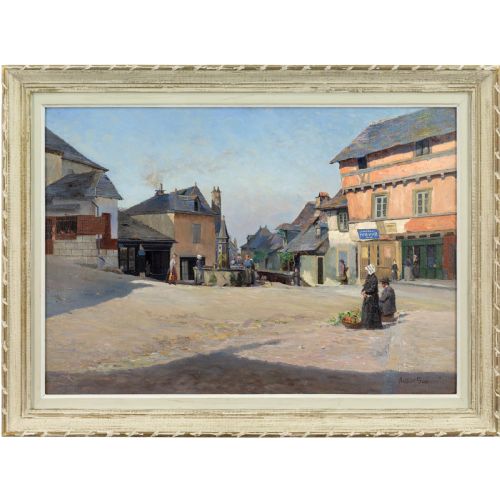
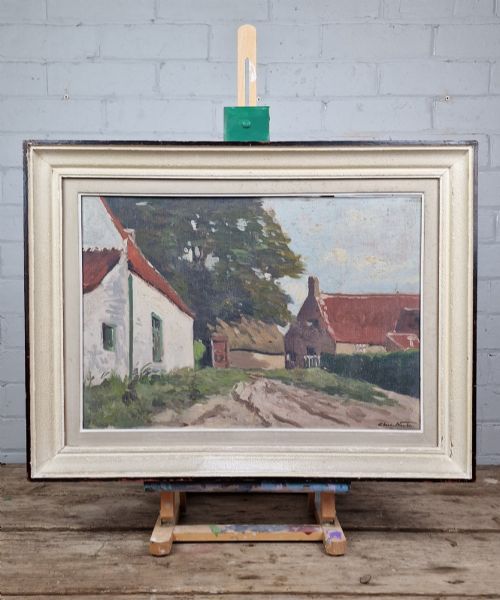
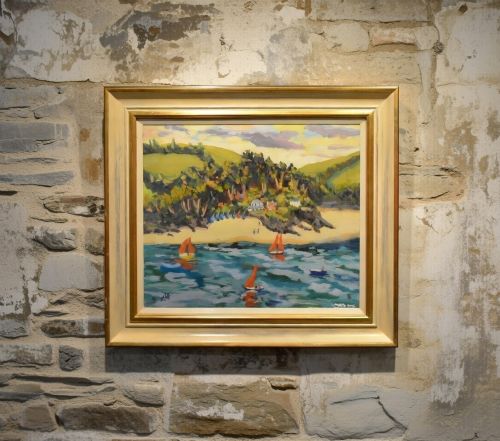
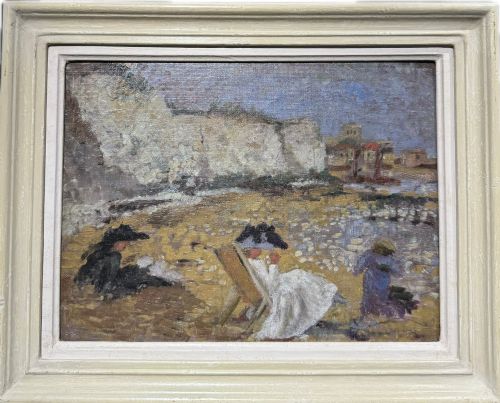
A post impressionist oil brings together works from diverse schools including British Impressionism, Modern British, the Bloomsbury Group, and continental European movements. These pieces range from quiet rural landscapes and coastal views to intimate still lifes and figurative studies.
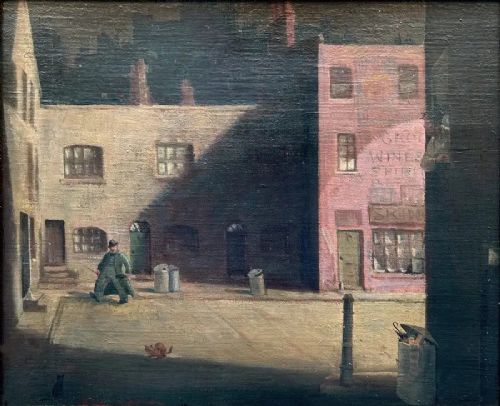
You are most likely to encounter works executed on canvas or wood panel, often housed in period frames featuring gilt wood. The subjects capture fleeting moments of everyday life, rural scenery, and urban architecture through a distinctive painterly lens.
Materials and Techniques
Artists built their compositions using oil paint applied to prepared surfaces such as canvas, wood panels, and cardboard boards. The application frequently involves impasto, where thick pigment is laid down to create texture and catch the light.
Support materials varied according to the preference of the painter, with panel and board utilised alongside traditional stretched canvas. Gilt wood frames were commonly employed to complement and protect the finished artwork.
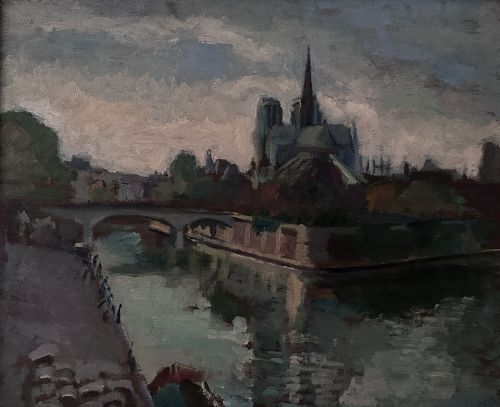
One canvas preserves the quiet stillness of a wartime hospital ship while another captures a bustling morning near a cathedral.
Assessing Quality and Execution
The strength of a composition relies upon the confidence of the brushwork and the deliberate harmony of the palette. Stronger examples demonstrate a clear command of light and form, where every stroke contributes to the atmosphere of the scene.
The integrity of the original support surface and the preservation of the pigment layer influence the character of the piece. Works that retain their textural energy and surface cohesion without excessive intervention stand out within this tradition.
Eugène-Louis Gillot·Arthur Gué·Charles Houben·Ethel Sands·Francisco Sancha·Charles Stuart Forbes·Alfred Wolmark·Eric Brown·Henri Ottmann·Donald McIntyre·Cecil Allan Mould·Rene Levrel·Alexander Jamieson·Paul-Élie Gernez·Ronald Ossory Dunlop·Victor Simonin·Hubert Wellington·Paul-Jean Anderbouhr·Edouard Julien·Henri Vincent-Anglade·Louis Suire·Jean-Baptiste Olive·George Turland Goosey·André Prévot-Valéri
The Post Impressionist Oil Glossary
- Impasto
- Paint applied thickly to a canvas or panel, standing out in relief from the surface so that the marks of the brush or palette knife remain visible.
- Post-Impressionism
- An artistic movement extending the stylistic approaches of impressionism while rejecting its limitations, focusing instead on broader colour use and expressive forms.
- Gilt Wood
- Wood that has been covered with a thin layer of gold leaf or gold paint, frequently seen on antique and period picture frames.
- Still Life
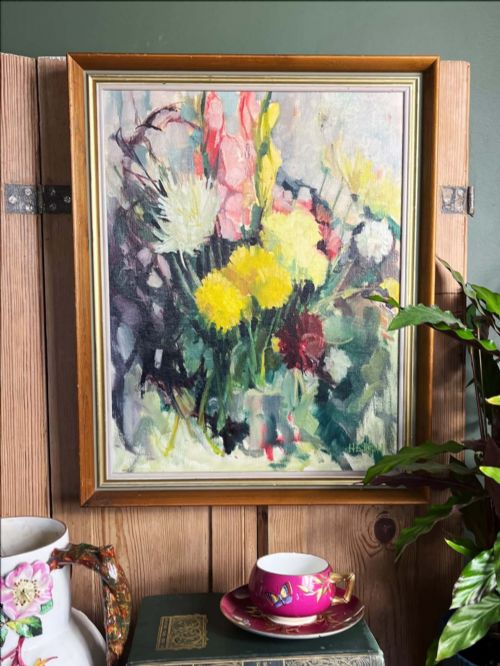
- A painting featuring inanimate subject matter, typically commonplace objects such as flowers, fruit, or household items.
Post Impressionist Oil: Frequently Asked Questions
What defines a post impressionist oil painting?
These works are characterised by expressive brushwork, an emphasis on distinct subject matter, and an interest in individual interpretation rather than strict optical realism.
They often bridge the gap between nineteenth-century impressionism and the modernist developments of the twentieth century.
How should I display these framed paintings?
Display them away from direct sunlight and fluctuating humidity to protect the oil paint and the underlying canvas or wood panel.
Matching the piece with an appropriate wall space allows the texture of the impasto and the quality of the gilt frame to stand out.
Are most of these works signed by the artist?
Many examples feature signatures, monograms, or distinct inscriptions left by the painter, while others remain unsigned or carry indistinct marks.
Documentation on the reverse of the panel or canvas can frequently provide additional context regarding the origin of the piece.
What subjects are common in these paintings?
Common subjects include coastal harbours, pastoral landscapes, town squares, and domestic still lifes reflecting European and British scenes.
Artists often drew inspiration from rural retreats, wartime environments, and everyday coastal communities.