
Post Impressionist Landscape Canvas
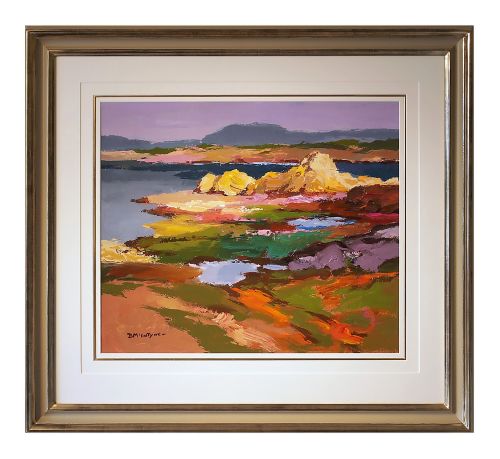
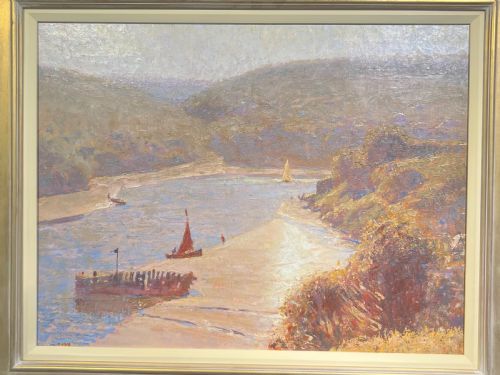
A post impressionist landscape canvas brings the brilliant light and swift brushwork of early twentieth-century Europe directly to your walls.
Post Impressionist Landscape Canvas
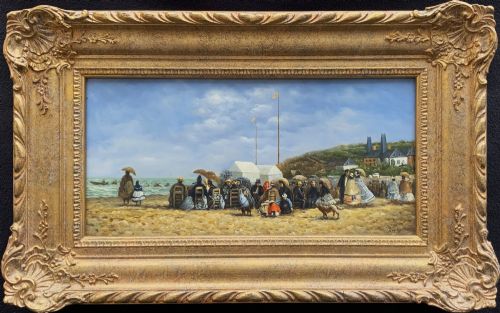
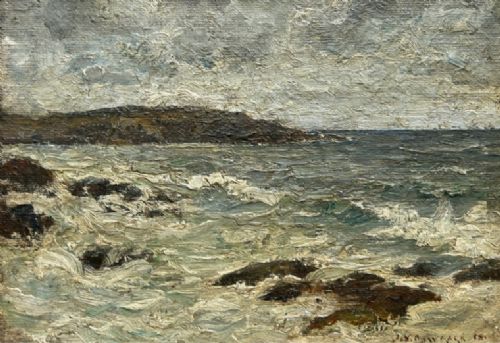
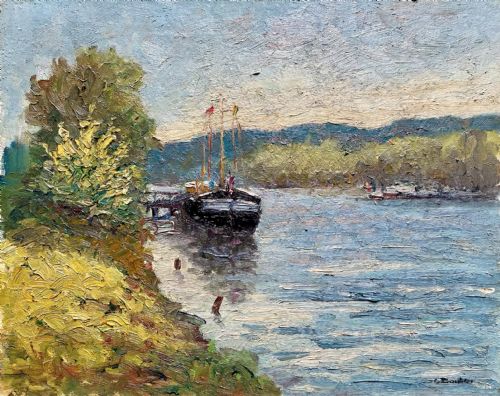
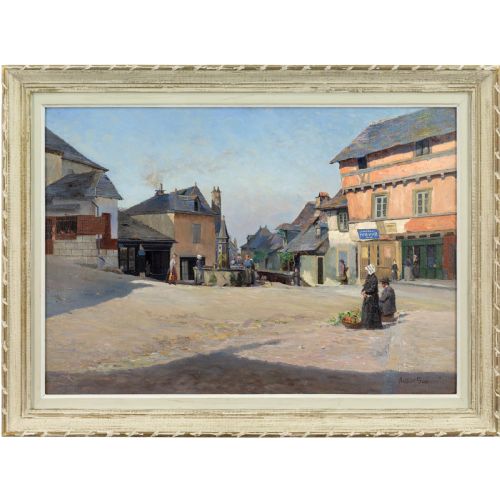
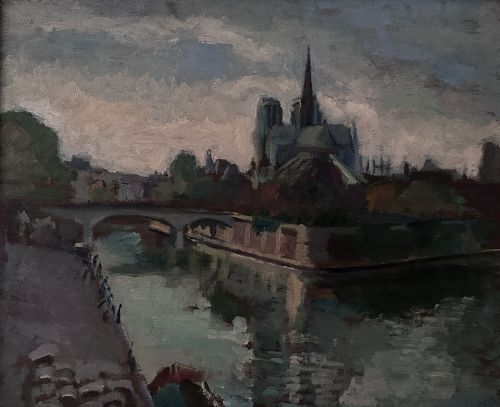
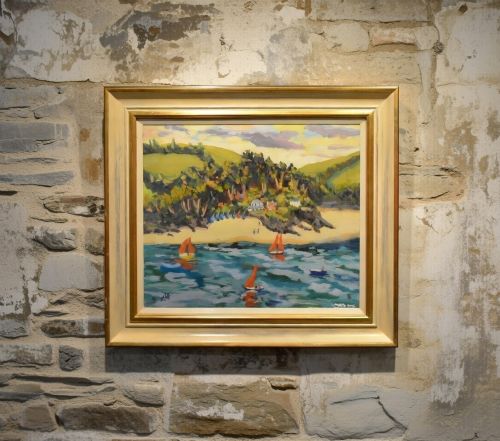
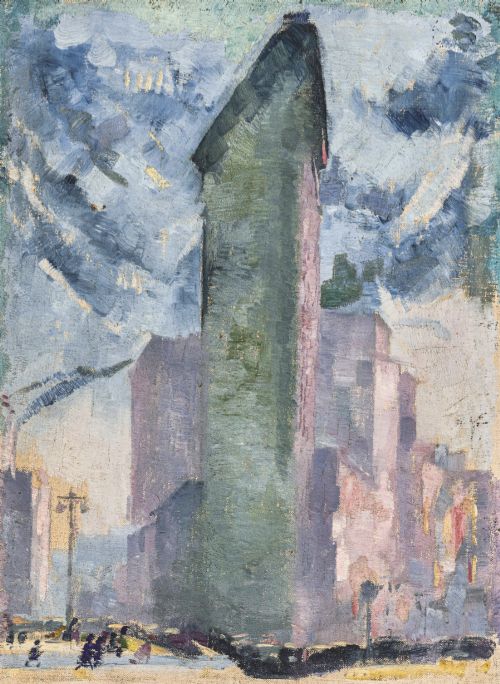
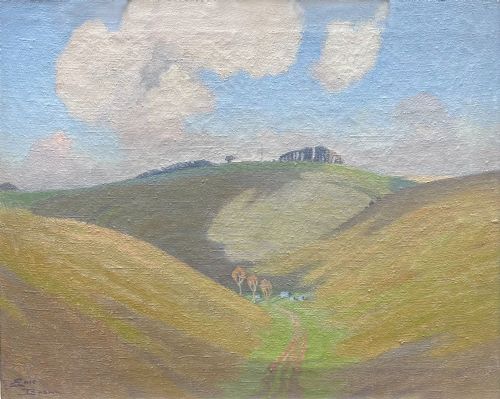
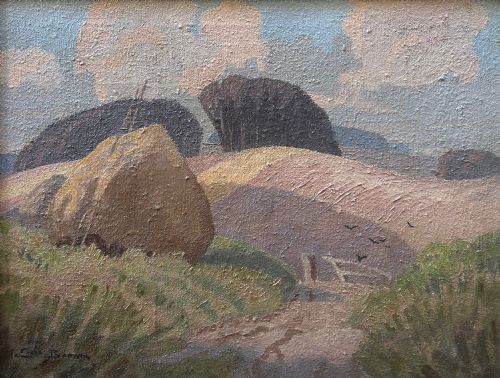
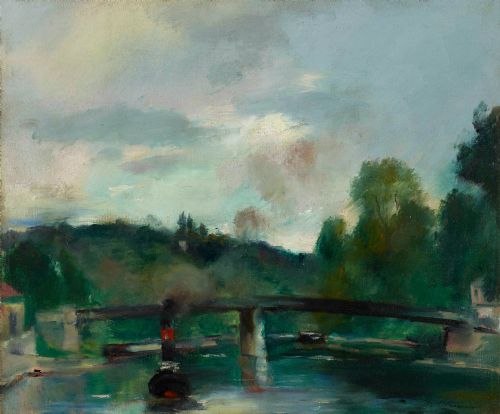
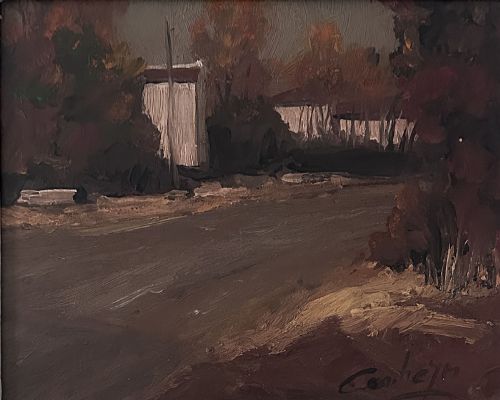
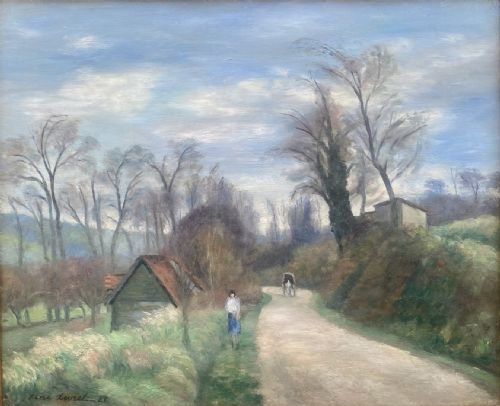
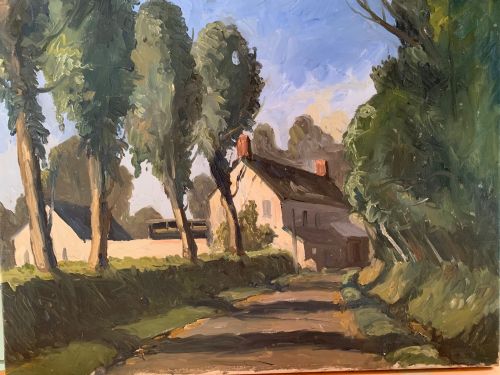
A post impressionist landscape canvas captures outdoor scenes through expressive brushwork, heightened colour palettes, and an emphasis on light rather than strict realism. When exploring this selection, buyers frequently encounter rural French countrysides, sunlit Mediterranean coasts, Normandy riversides, and bustling Parisian street scenes.
The works span from the nineteenth century through the mid-twentieth century, encompassing both British and French modernist interpretations. Common subjects include quiet farmhouses, haystacks, coastal harbours, and winding country paths rendered with visible texture and vibrant pigments.
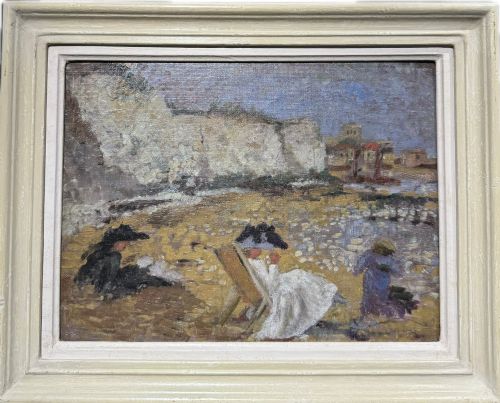
Most examples originate from the early decades of the twentieth century, reflecting the enduring influence of the French and British impressionist movements. These pieces range from intimate preparatory sketches to large exhibition canvases framed in period wood and gesso.
Materials and technique
Painters applied oil paint directly onto stretched canvas, frequently utilising thick impasto techniques to build physical texture and depth onto the surface. This method allowed artists to capture transient effects of sunlight and shadow through bold, unblended strokes of colour.
Stretched canvases were commonly housed in period wooden frames, often finished with gesso and gilt wood details that complemented the vivid tones of the composition. Support materials also included wood panels, though woven canvas remains the dominant medium across these works.
Listings feature canvases spanning the 1910s to the 1960s, executed primarily in oil paint on woven canvas supports.
What separates the finest works
Quality in a post impressionist landscape canvas rests on the confidence of the brushwork and the artist's mastery over light and atmosphere. The most compelling examples demonstrate a rigorous yet liberated handling of colour that defines the best regional schools, such as those from the South of France or St Ives.
Provenance and documentation elevate certain pieces, particularly when a painting links to known exhibitions, recognised art schools, or documented locations. Furthermore, the harmony between the canvas and its original period frame contributes significantly to the integrity of the piece.
Arthur Gué·Ethel Sands·Alfred Wolmark·Eric Brown·Henri Ottmann·Donald McIntyre·Cecil Allan Mould·Rene Levrel·Ronald Ossory Dunlop·Paul-Jean Anderbouhr·Louis Suire·Jean-Baptiste Olive·George Turland Goosey·André Prévot-Valéri·Merio Ameglio·Charles Malfroy·Edward Seago·Cecil R. Doyly-John·Marc Aldine·Antoine Bouvard Senior·Eduard Leon Cortes
The Post Impressionist Landscape Canvas Glossary
- Impasto
- Paint applied thickly to a canvas, standing out in relief so that the marks of the brush or palette knife remain clearly visible. This technique adds tactile dimension and catches real light on the surface.
- Post-Impressionism
- An art movement extending roughly from the late nineteenth century to the mid-twentieth century, characterised by a rejection of strict naturalism in favour of expressive colours and symbolic forms. Artists built upon impressionist light studies while developing more structured personal styles.
- Gesso
- A plaster-like mixture applied to wooden frames as a base before gilding or painting. It provides a smooth, durable foundation for decorative mouldings.
- Provenance
- The chronological history of the ownership of a work of art, establishing its authenticity and origin. A documented provenance often enhances the historical context of a painting.
- Colourist
- An artist who uses colour as the primary element to convey emotion, light, and atmosphere within a composition. Such works prioritise chromatic relationships over literal local hues.
Post Impressionist Landscape Canvas: Frequently Asked Questions
How do I identify a post impressionist landscape canvas?
Look for visible, energetic brushstrokes, non-naturalistic use of colour, and an emphasis on capturing light and atmosphere rather than photographic detail.
Subjects frequently feature rural French vistas, coastal ports, and sun-drenched streets executed during the late nineteenth or early twentieth centuries.
Where were most of these paintings created?
A significant proportion originates from France, particularly regions like Normandy, Provence, and the Cote d'Azur, alongside contributions from British artists painting at home or abroad.
Artistic hubs such as the Slade School and various regional coastal colonies produced many of these canvases.
How should I frame and hang an antique oil painting?
Ensure the canvas is housed in a sympathetic period frame, such as gilt wood or gesso moulding, which protects the edges and complements the era of the artwork.
Display the piece away from direct sunlight and dramatic humidity shifts to preserve the integrity of the oil paint and canvas support.
What is the difference between impressionism and post-impressionism?
Impressionism focuses primarily on the optical recording of light and fleeting moments in nature using broken colour.
Post-impressionism retains these bright palettes and outdoor subjects but pushes further into expressive brushwork, structural form, and personal emotional response.