


Post Impressionist Floral Painting
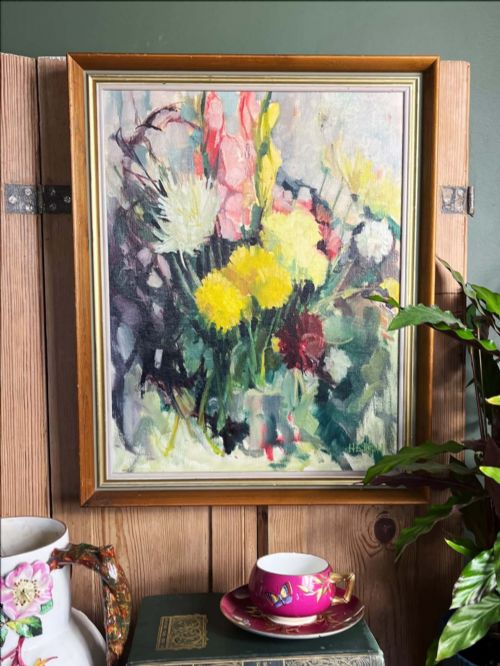
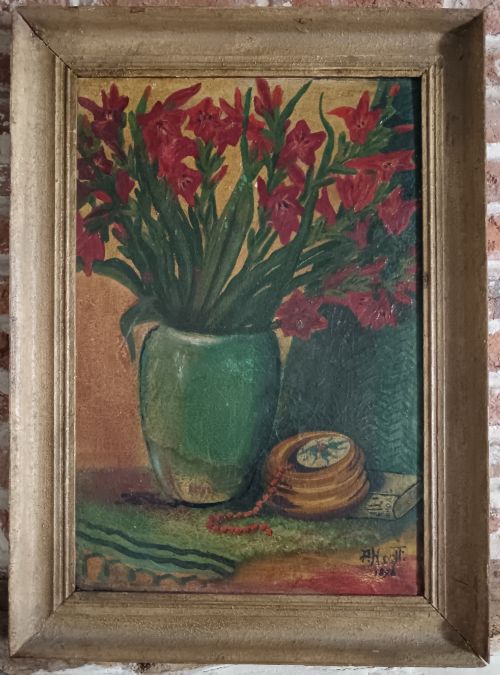
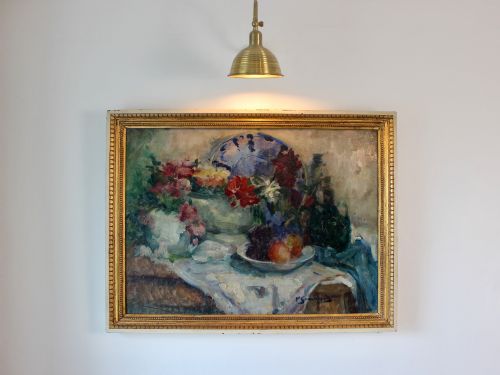
These post impressionist floral painting examples bring together rich brushwork and vibrant colour, offering a striking way to anchor any room with period character.
Post Impressionist Floral Painting
When you search for post impressionist floral painting, you encounter works that capture flowers in domestic interiors and gardens through expressive brushwork rather than rigid academic precision. These pieces range from vibrant oils on canvas to delicate watercolours and textured works on board, dating from the late nineteenth century through the mid-twentieth century.
The selections available here showcase distinct movements including Post-Impressionism, British Impressionism, and Modern British styles. You will find various iterations of floral still lifes and garden scenes, framed in traditional wood or gilt settings that complement the painted surface.
How They Were Made
Artists built these compositions primarily using oil paint applied to canvas, board, or wood panels, while some utilised watercolour on paper. The application involves varied techniques from smooth blending to pointillist dots and energetic impasto.
Many of these works are housed in their original or period frames, frequently constructed from wood with gold leaf or gilt finishes that enhance the visual depth of the pigment.
Several vases in these paintings have outlived the artists by a century, quietly holding imaginary water on canvas.
What Varies in Quality
The strength of a composition rests on the artist's handling of light, colour harmony, and spatial depth within the floral arrangement. Finer examples display a confident rhythm in the brushwork and a compelling balance between the subject and the surrounding interior or background.
Materials and framing also influence the overall character, with period gilt wood frames offering a more integrated presentation than later replacements. The distinction lies in the vitality of the execution and how effectively the paint captures the ephemeral nature of the flowers.
Sir Matthew Smith·Ernest Higgins Rigg·Henry D'Arcy Hart·Herbert Davis Richter·Owen Bowen
The Post Impressionist Floral Painting Glossary
- Post-Impressionism
- An art movement that extended Impressionism while rejecting its limitations, favouring a greater emphasis on symbolic content and expressive use of paint. Artists working in this manner prioritized bold colour and structural form.
- Pointillism
- A technique of painting where small, distinct dots of colour are applied in patterns to form an image. The technique relies on the viewer's eye to blend the colour spots optically.
- Impasto
- The process of applying paint thickly on a canvas so that the brush or palette knife marks remain visible. This technique adds tactile three-dimensional qualities to the floral petals and leaves.
- Still Life
- A work of art depicting mostly inanimate subject matter, typically commonplace objects which may be either natural or man-made. In these pieces, the focus centres on arrangements of cut flowers in vases or potted plants.
Post Impressionist Floral Painting: Frequently Asked Questions
What defines a post impressionist floral painting?
These works focus on capturing the essence of flowers through expressive brushwork, vibrant palettes, and a departure from strict academic realism. They often employ loose compositions and varied textures to convey light and atmosphere.
Created across several decades in the late nineteenth and twentieth centuries, the style allows artists to prioritize emotional resonance and colour harmony over precise botanical accuracy.
Are these paintings on canvas or board?
The works utilise multiple supports, predominantly oil paint on canvas or board, alongside wooden panels and watercolours on paper. Each medium influences how the artist applied the pigment and how the surface has aged over time.
Examining the reverse often reveals whether the support is stretched canvas or a rigid board, providing context for the period of creation.
How do I date these floral artworks?
Dating relies on stylistic markers, framing techniques, signatures, and documentation associated with the artist or exhibition history. Pieces span from the late nineteenth century through the mid-twentieth century.
Shifts in framing styles and the specific handling of the pigment offer further clues to determine the exact decade of execution.
How should I frame and display them?
Displaying these works away from direct sunlight protects the oil and watercolour pigments from fading. Many pieces retain their period wood or gilt frames, which complement the tones of the painting.
Ensuring stable wall fixings and appropriate indoor humidity levels will preserve both the canvas and the original frame for years to come.