

Portrait Painting of Child
A portrait painting of child captures youthful innocence across centuries of shifting artistic styles.
Portrait Painting of Child
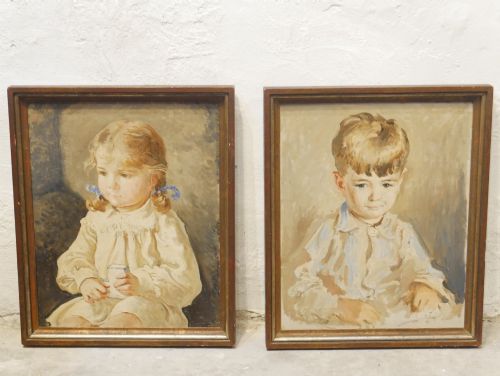
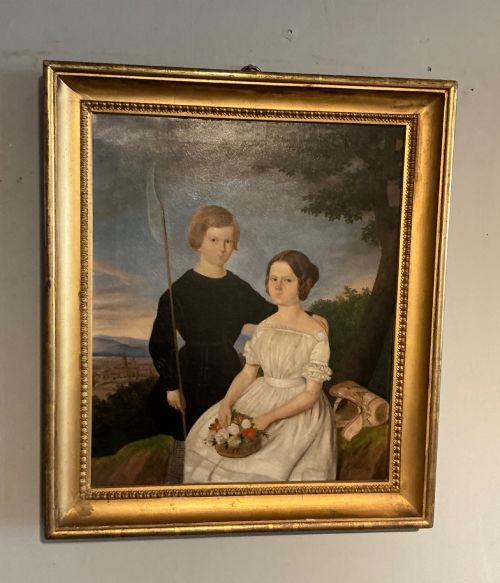
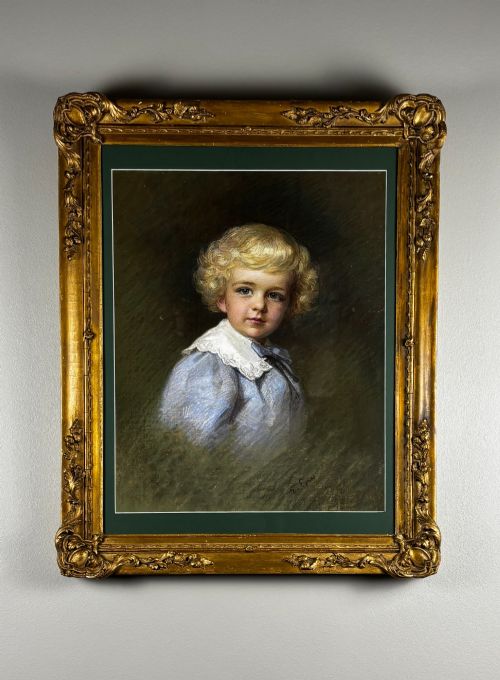
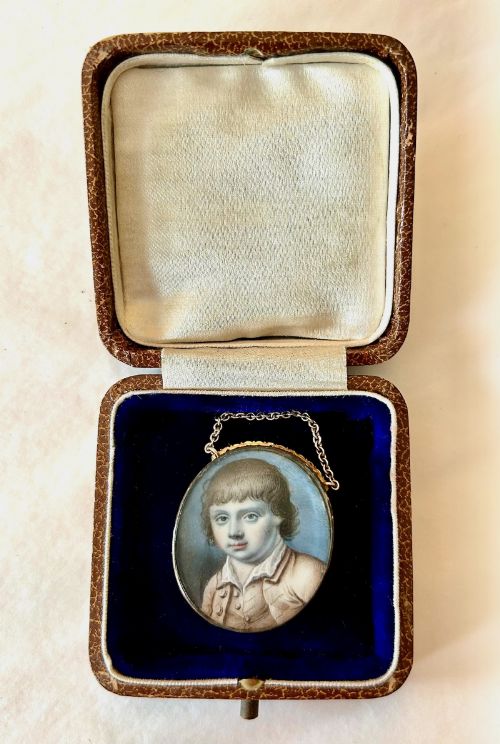
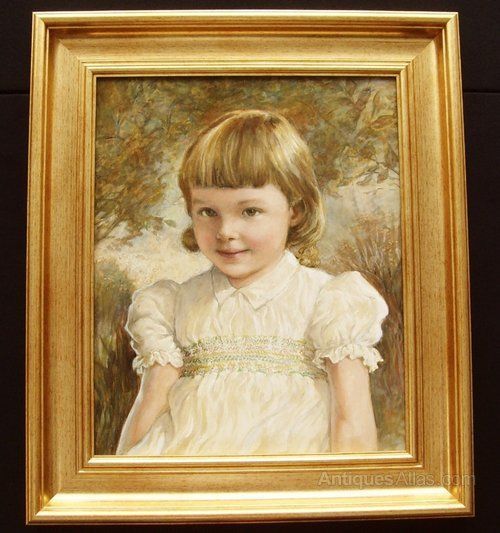
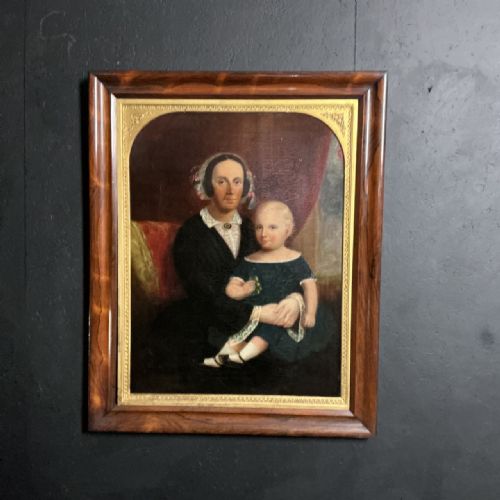
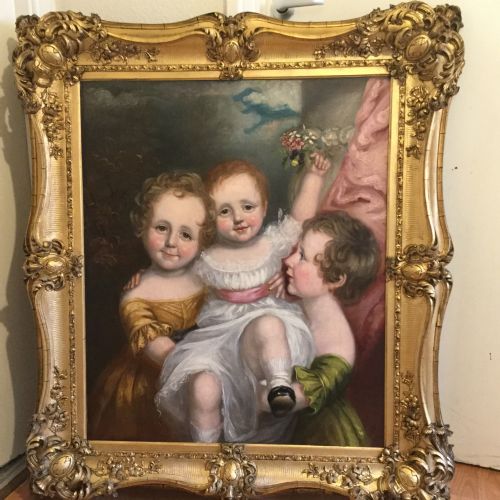
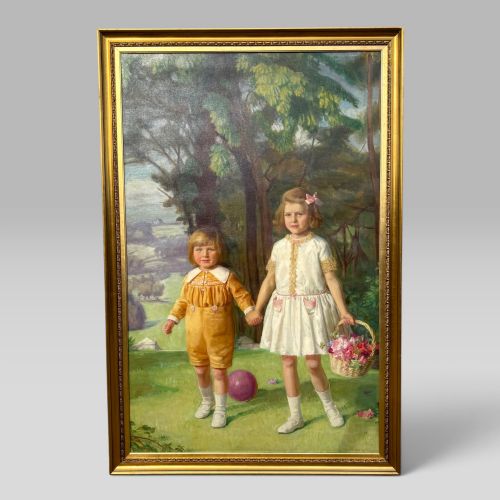
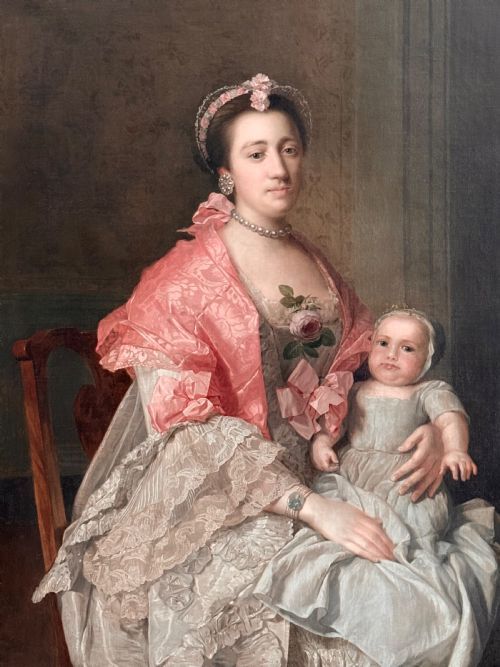
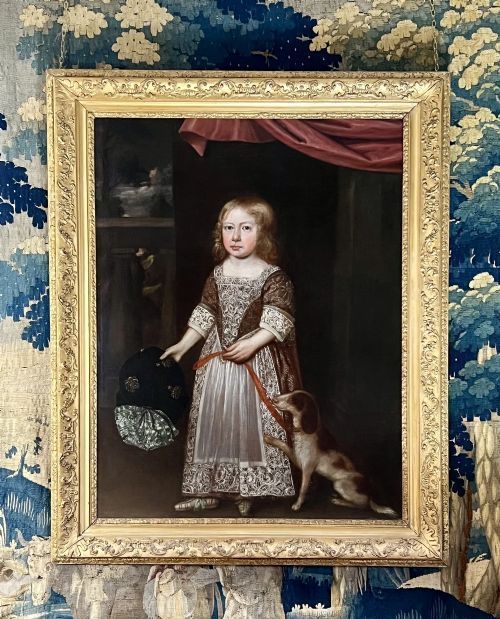
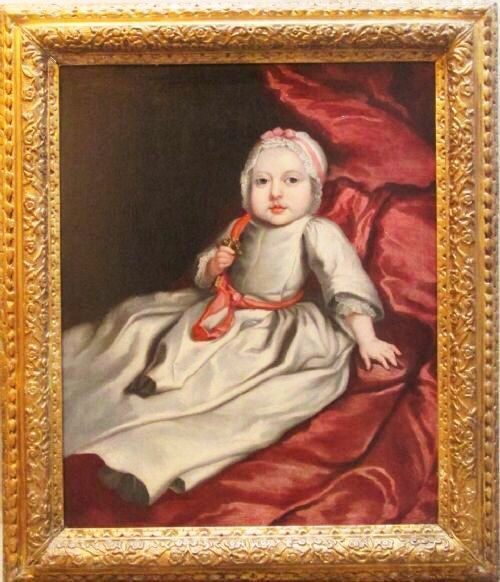
A portrait painting of child encompasses centuries of depictions ranging from formal 18th Century aristocratic studies to intimate Victorian domestic scenes.
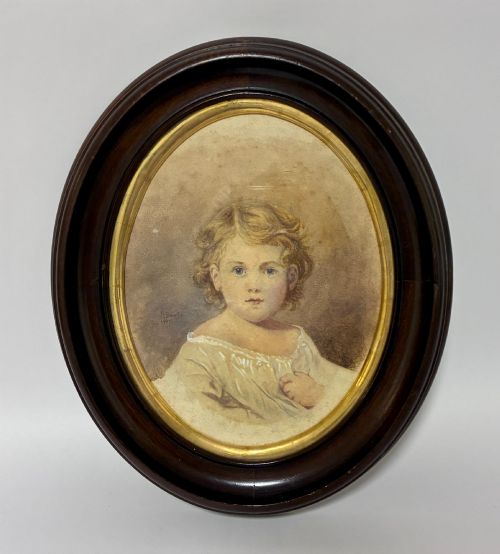
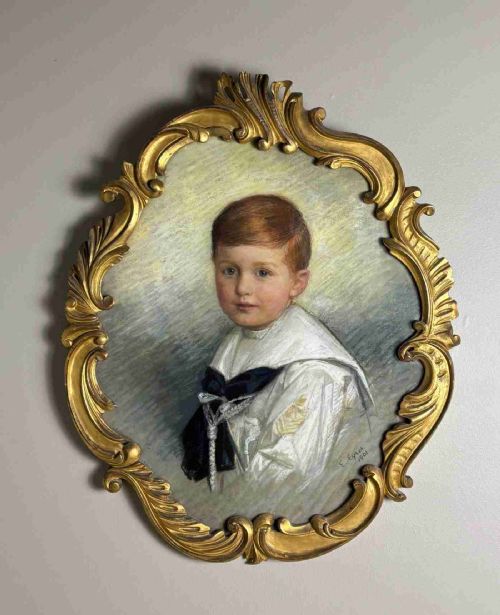
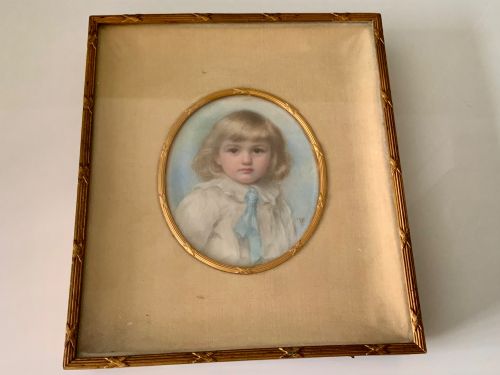
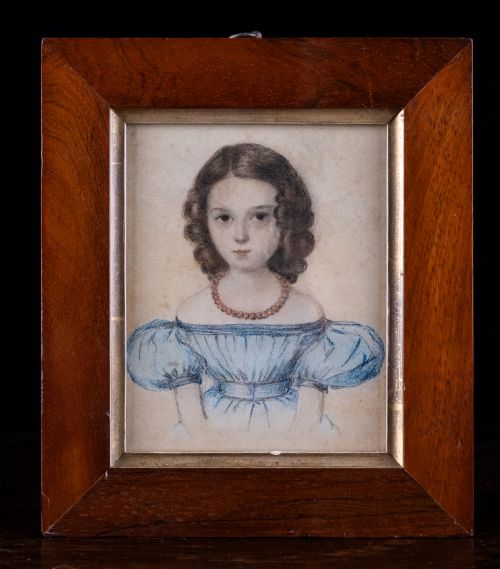
The selections span oil on canvas, delicate pastels, watercolours, and gouache, often framed in period giltwood.
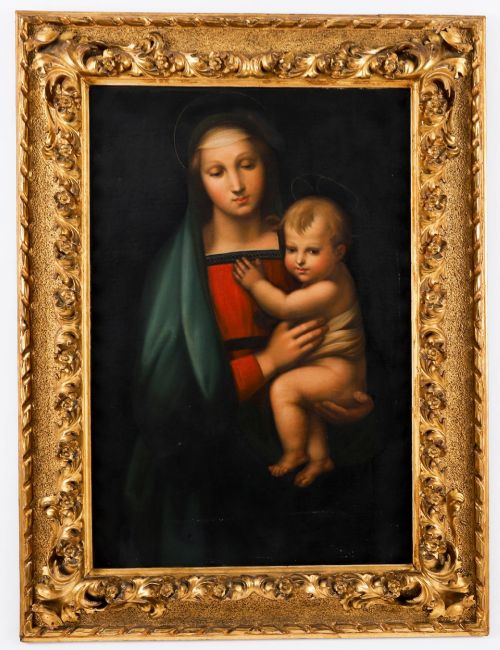
Subjects include individual boys and girls, sibling pairs, family groups, and traditional Madonna and child compositions.
How They Were Made
Artists built these works primarily using oil paints applied to stretched canvas, alongside powdered pigment pastels on paper.
Giltwood and gesso frames provided structural housing and ornamental presentation for the paintings.
Protective glass frequently covered fragile pastel and watercolour works on paper to prevent surface degradation.
Portrait Painting of Child Retail Price Guide 2026
Typical asking prices for portrait painting of child among the pieces listed under this phrase on Sellingantiques today, from the lower quarter to the upper quarter. They describe what is for sale here now, not the wider market.
Several young subjects share the canvas with faithful dogs, cats, and even a bouncing shuttlecock.
What Varies in Quality
Expressive handling of the subject's face and hands distinguishes skilled studio production from rigid provincial execution.
The integrity of the original canvas support and the presence of untouched historical surface layers dictate overall preservation.
The craftsmanship of the accompanying period frame, particularly carved gesso and giltwood details, influences the piece's completeness.
Joshua Reynolds·Thomas Lawrence·Georges de La Tour·Raphael·Charles D'Agar
The Portrait Painting of Child Glossary
- Oil on Canvas
- Pigment mixed with drying oil applied to a woven fabric support stretched across a wooden frame. This medium allowed artists to achieve rich colour depth and subtle blending.
- Pastel
- A dry medium composed of powdered pigment and a binder, shaped into sticks. It creates velvety textures and soft luminous tones.
- Giltwood
- Wood carved and coated with a thin layer of gold leaf or gold paint. It frequently forms ornate frames for formal artworks.
- Gesso
- A paint mixture consisting of a binder mixed with chalk, gypsum, or pigment. It served as a smooth preparation base for wooden panels and frames.
- Provenance
- The chronological history of the ownership of a work of art. It helps establish authenticity and historical context.
Portrait Painting of Child: Frequently Asked Questions
What periods do these paintings cover?
The available works span from the 16th Century through the Georgian, Victorian, and Edwardian eras up to the mid 20th Century.
Earlier pieces often reflect Italian Renaissance or Baroque religious themes, while 18th and 19th Century examples lean towards domestic portraiture and folk art.
How are pastel portraits protected?
Pastels use loose powdered pigment that easily disturbs if touched, so they require a physical barrier.
Most period pastel works are housed securely behind glass within traditional wooden frames to preserve the fragile surface.
What mediums were commonly used?
Oil on canvas remains the most frequent medium, offering durability and rich tonal variation.
Works on paper utilise watercolours, gouache, and pastel to achieve softer lines and lighter textures.
Are all the portraits formal?
The collection includes both formal commissioned studies of aristocratic children and relaxed domestic scenes.
Pieces range from structured academic compositions to expressive Victorian folk art and intimate family watercolours.