

Portrait of Lady Canvas
A portrait of lady canvas captures centuries of individual likeness and garment detail in oil paint, offering buyers a direct window into historical society.
Portrait of Lady Canvas
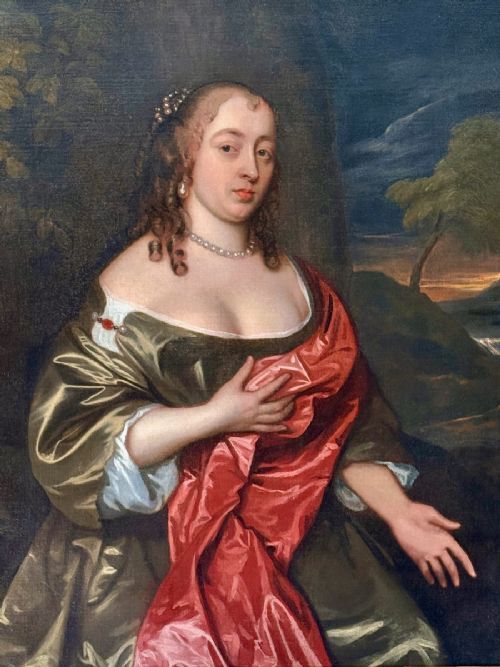
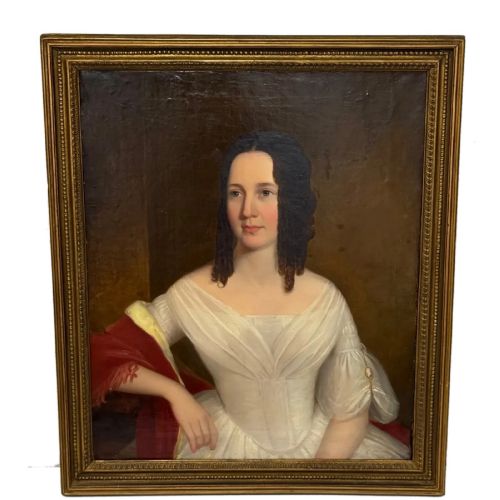
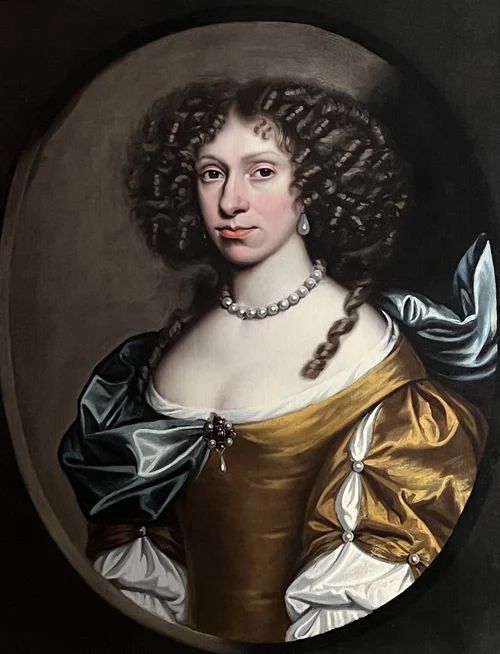
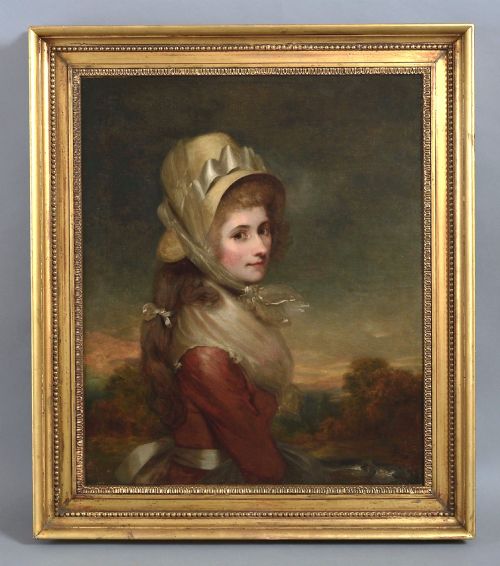
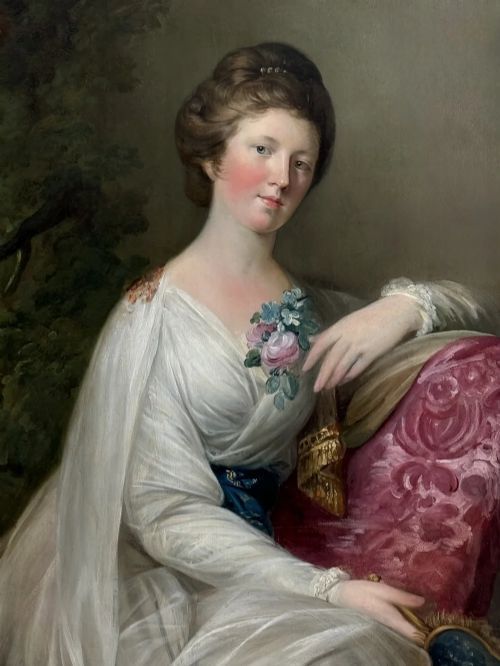
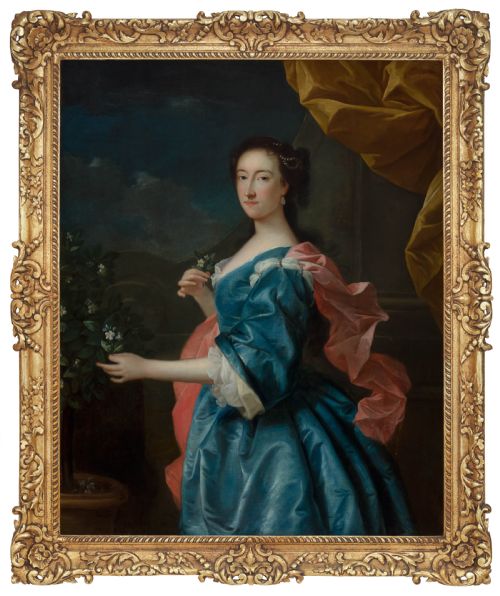
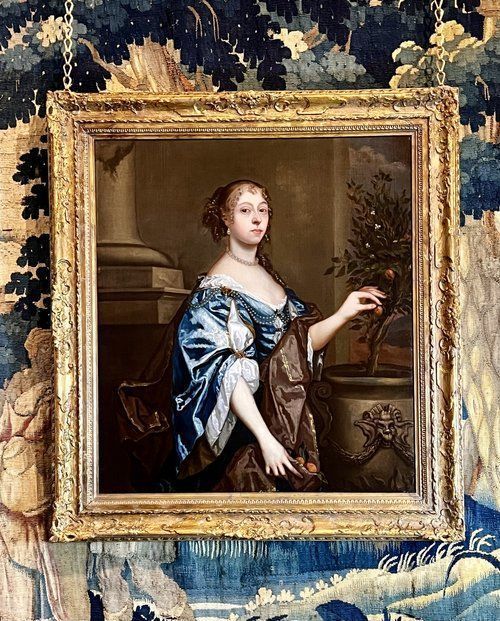
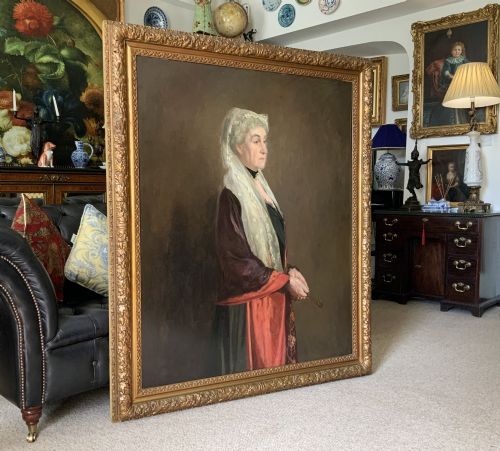
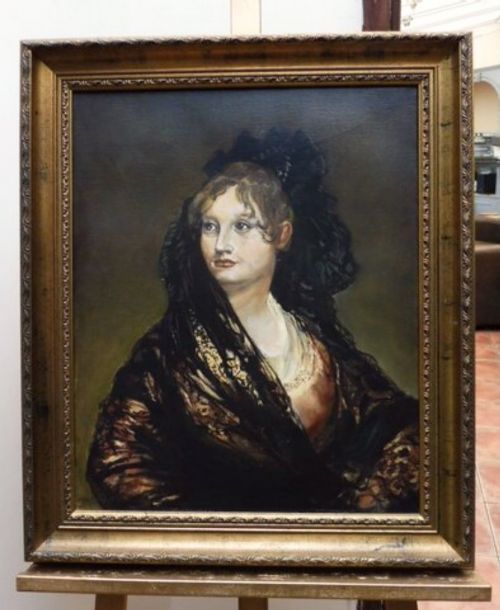
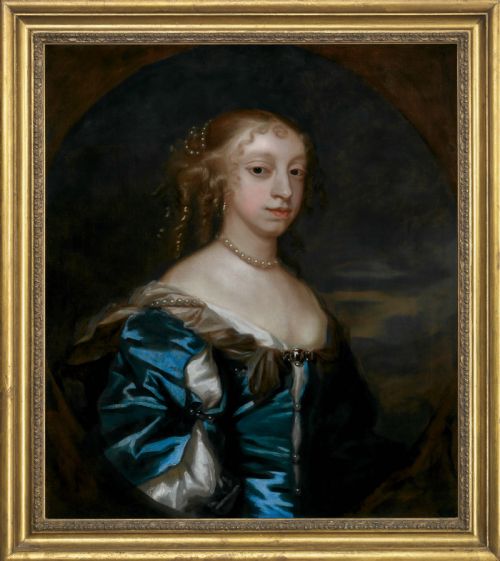
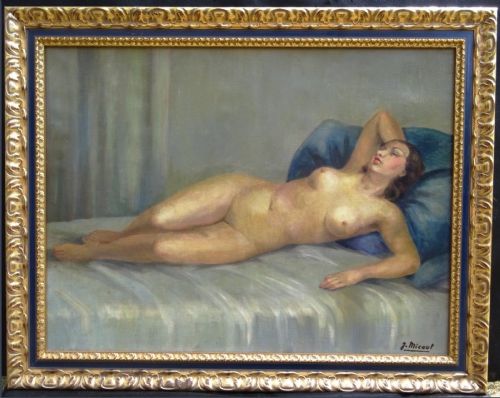
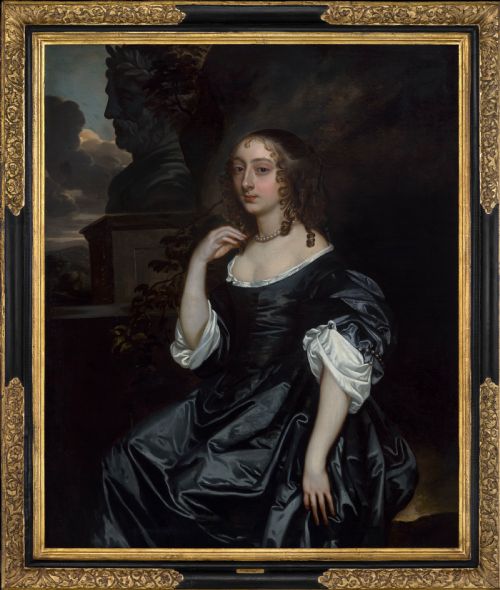
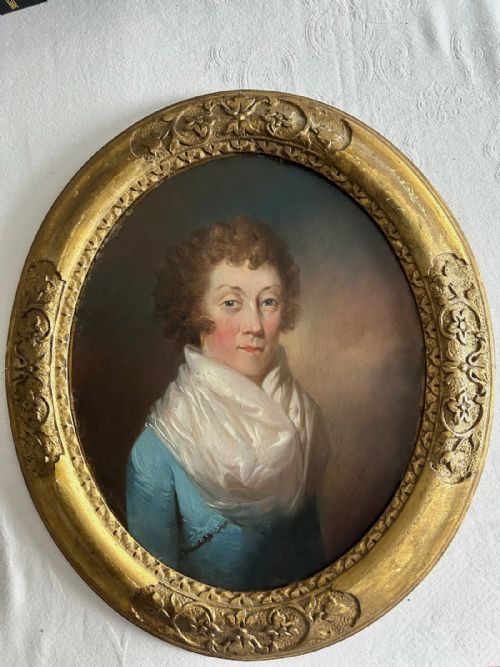
When searching for a portrait of lady canvas, a buyer encounters painted likenesses spanning from the seventeenth century through the twentieth century. These works depict noblewomen, family members, and fashionable individuals rendered in oils upon stretched fabric.
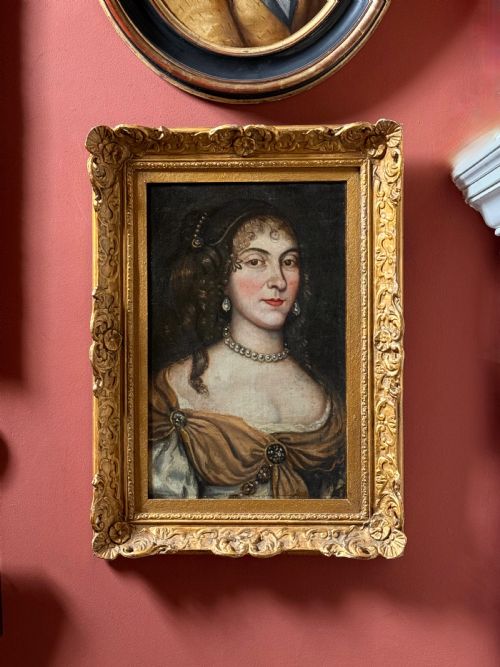
The selections available range from seventeenth-century British and Dutch depictions featuring elaborate ruff collars and silk drapery to later Victorian and Edwardian interpretations. Many pieces originate from established artistic circles or regional schools of painting.
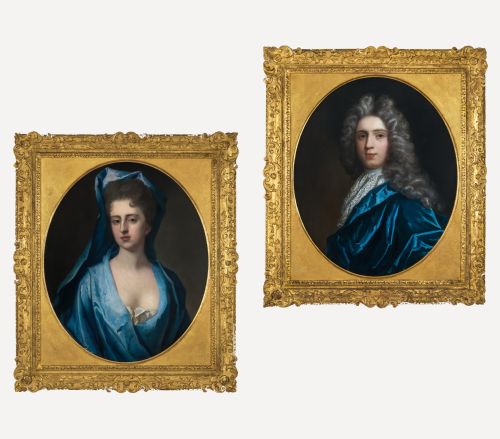
Buyers frequently find works framed in period giltwood or carved wooden surrounds that complement the canvas. These paintings preserve historical costume, from seventeenth-century satin gowns to twentieth-century attire.
Materials and construction
Artists painted these works using oil paint applied to woven canvas supports, often stretched over wooden frames. The oil medium allowed painters to build up rich layers of colour and texture, particularly in rendering fabrics like silk, velvet, and satin.
Many works retain their original or period giltwood and gold leaf frames, which were carved to house the canvas securely. The combination of oil paint, canvas, and timber provides a durable structure that has survived for centuries.
Listings feature oil paintings on canvas spanning the seventeenth century to the mid twentieth century, including works from the British Baroque and Victorian periods.
Factors of quality and execution
Quality in these works rests upon the skill with which the artist handles facial expression, hand gestures, and the fall of fabric folds. Superior examples demonstrate a careful mastery of light and shadow that gives depth to the sitter and the surrounding landscape or interior.
The condition of the painted surface and the survival of the original or period frame heavily influence the standing of a piece. Works originating directly from the studio of a notable painter or possessing clear historical provenance command greater appreciation.
Sir Peter Lely·Sir Godfrey Kneller·Michael Dahl·Allan Ramsay·Thomas Murray
The Portrait of Lady Canvas Glossary
- Canvas
- A heavy woven fabric used as a surface for oil painting. It is typically stretched tightly over a wooden frame before application of the ground and paint layers.
- Giltwood
- Wood that has been decorated with a thin layer of gold leaf or gilt powder. This finish is commonly found on antique picture frames surrounding oil paintings.
- Provenance
- The documented history of ownership of an artwork from its creation to the present day. Clear records help confirm attribution and authenticity.
- Old Master
- A term applied to European painters of high skill working before the nineteenth century. These artists often belonged to established national schools such as the Dutch or British Baroque.
Portrait of Lady Canvas: Frequently Asked Questions
How do I date an old canvas portrait?
Dating relies primarily on the style of clothing, hair, and lace depicted on the sitter. Fashion changes offer reliable markers for the decade in which the portrait was painted.
Secondary clues include the construction of the stretcher frame, the type of canvas weave, and any inscriptions or labels remaining on the reverse of the work.
How are attribution and studio work defined?
An artwork attributed to an artist indicates uncertainty, suggesting the work comes from the hand of that master or a very close follower. Pieces from the studio of an artist were produced by assistants under the direct supervision of the master.
Circle works are created by painters working in the style of a prominent master during the same period, sharing technical and aesthetic approaches.
What maintenance do oil paintings require?
Oil paintings on canvas require minimal intervention, generally limited to gentle dusting of the surface with a soft, dry brush. Professional conservators should handle any cleaning of the varnish layer or repair of canvas tears.
Maintaining consistent indoor humidity prevents the canvas from slackening and protects the wooden stretcher and frame from warping.