
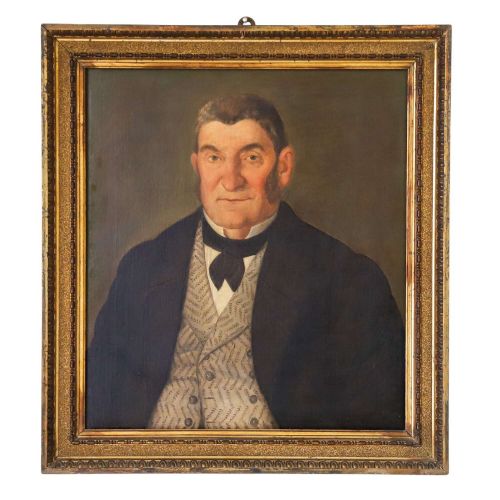
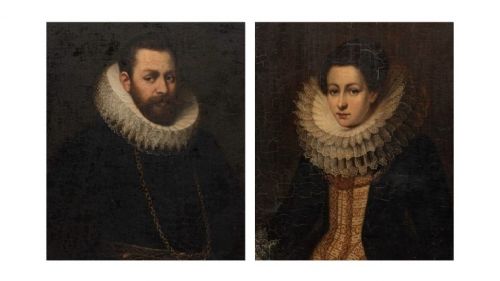
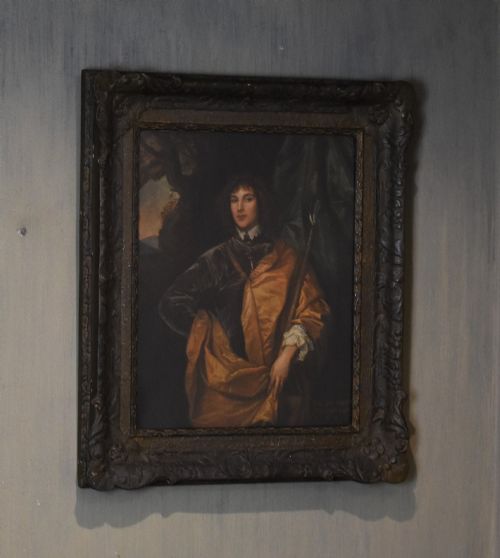


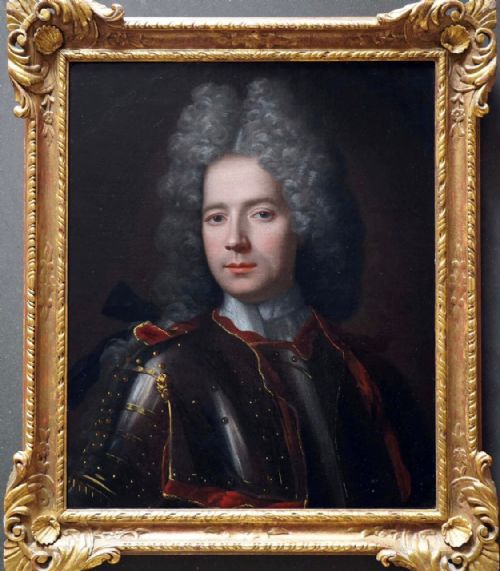
Portrait of a Nobleman
When seeking a portrait of a nobleman, you encounter centuries of aristocratic depiction captured in oil and marble.
Portrait of a Nobleman
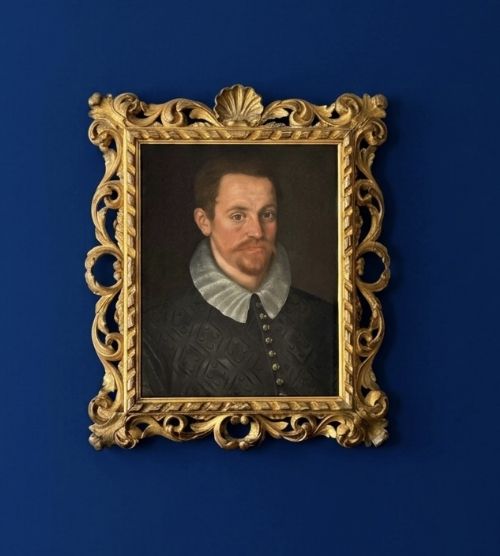
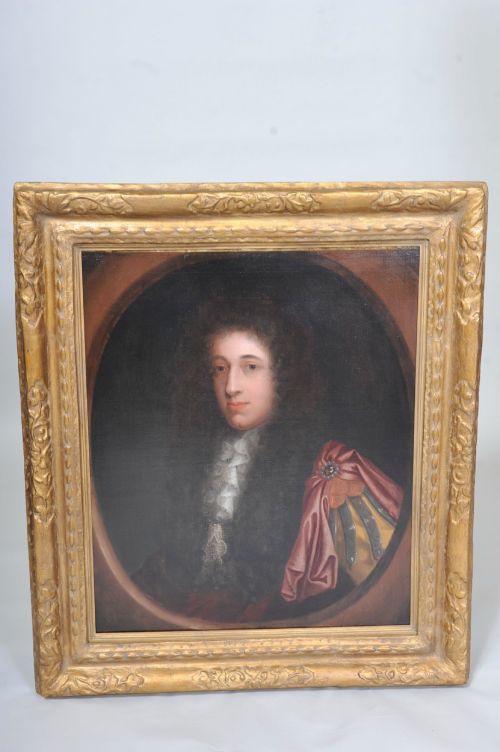
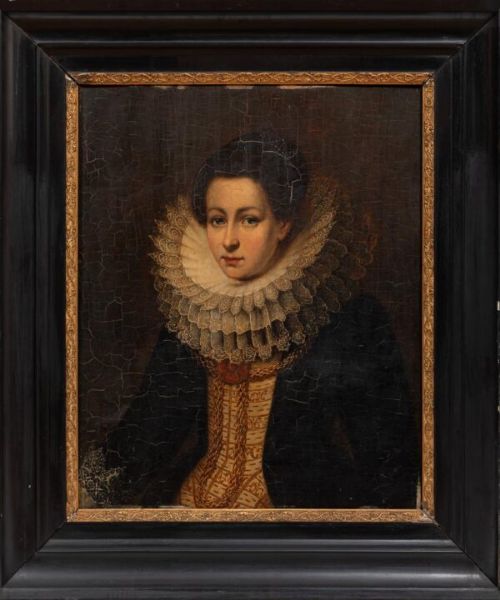
A portrait of a nobleman presents figures from European courts, military campaigns, and landed estates across the sixteenth to the nineteenth centuries. These works record status through ornate dress, lace ruffs, ceremonial armour, and inscribed heraldry.
The selections available here range from intimate seventeenth-century panel paintings to large eighteenth-century canvases and nineteenth-century revivalist interpretations. Subjects span English, French, Italian, German, and Dutch schools, depicting figures of defined rank and historical lineage.
Materials and technique
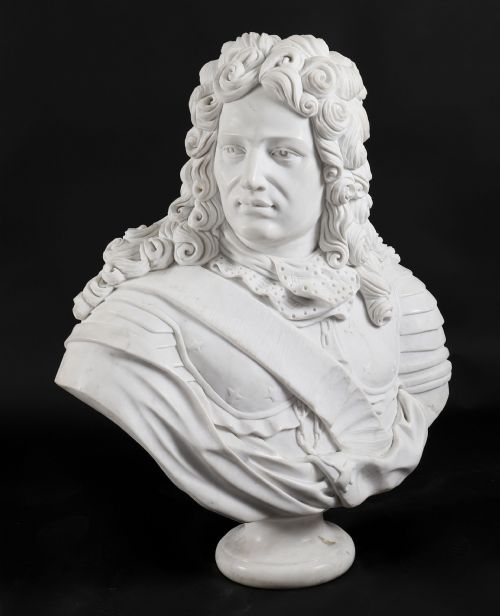
Pigments applied in oil paint onto woven canvas or wooden panels form the primary medium for these historical works, occasionally supplemented by carved Italian marble for sculptural busts. Canvases are frequently stretched over timber frames and housed in period giltwood surrounds embellished with gold leaf.
Artists relied on layered glazing and precise brushwork to render the textures of velvet robes, fur trims, and steel breastplates. Support structures varied from robust oak panels in the sixteenth century to fine-weave canvases favoured by later European ateliers.
Listings feature oil paintings on canvas and wood panel, alongside marble busts, spanning the sixteenth to the twentieth centuries.
Distinctions in execution
The hierarchy of quality rests upon the precision of facial modelling and the psychological depth captured in the sitter's expression. Master works from established circles display subtle handling of light across fabric and flesh, whereas workshop copies exhibit rigid proportions and formulaic drapery.
Preservation of the original paint layer and the integrity of the ground dictate the long-term visual power of the piece. Unrestored surfaces retain the artist's original tonal relationships, while excessive historical intervention can flatten the delicate modelling of lace collars and armour highlights.
Nicolas De Largillière·Louis De Silvestre·Michael Dahl·Jean-Baptiste Santerre·John Bettes the Elder·Frederick Kerseboom·Lambert Sustris·George Engleheart·Pompeo Batoni·Isaac Oliver·Francois de Troy·Maurice Quentin de Latour·Hyacinthe Rigaud·Gilbert Jackson·Johan Horner·Adam de Colone
The Portrait of a Nobleman Glossary
- Doublet
- A snug-fitting man's jacket worn during the sixteenth and seventeenth centuries, often featuring elaborate embroidery and padding. This garment serves as a primary indicator of period fashion in early portraits.
- Ruff
- A voluminous pleated collar of stiffened white linen worn around the neck during the late sixteenth and early seventeenth centuries. Its complexity denotes the wealth and social standing of the sitter.
- Giltwood
- Wood that has been coated with a thin layer of gold leaf or gold paint, commonly used for ornate picture frames from the Baroque period onwards. These frames provide historical context and complement the palette of the canvas.
- Circle
- A term denoting an artist working closely alongside a master, absorbing their style and technique without being a direct pupil. Works from a master's circle share stylistic traits with documented paintings by that hand.
- Armour
- Protective steel plates worn by military figures, frequently depicted in portraits to signify martial prowess and noble lineage. The rendering of polished metal highlights the technical skill of the painter.
Portrait of a Nobleman: Frequently Asked Questions
How do I identify the sitter in a historical portrait?
Sitters are frequently identified through painted inscriptions, familial coats of arms, or accompanying archival records detailing provenance and previous collections. Portraitists often included specific orders of knighthood, such as the Order of the Garter, which help narrow down the identity.
When contemporary inscriptions are absent, comparison with verified portraiture in museum archives remains the primary method for linking a face to a historical nobleman.
What distinguishes sixteenth-century portraits from eighteenth-century works?
Sixteenth-century examples typically employ rigid linear perspectives, flat lighting, and stiff fabrics like heavy ruffs and doublets against dark backgrounds. Subjects are rendered with an emphasis on heraldic status rather than psychological introspection.
Eighteenth-century portraiture embraces dynamic Baroque or Rococo compositions, fluid brushwork, and softer natural lighting. Poses become more relaxed, and garments reflect the lighter silks and powdered wigs of the Georgian and Regency eras.
How should I care for an antique oil painting?
Keep paintings away from direct sunlight, high humidity, and rapid temperature fluctuations that can cause the canvas to slacken or wood panels to warp. Stable indoor environments preserve the structural integrity of both the paint layers and the underlying support.
Dust surfaces gently with a soft, dry brush without applying pressure to the paint film. Professional conservation should be sought for any structural repairs or cleaning of darkened varnish.
Why are some portraits described as being by a follower or circle?
Attributions to a follower or circle indicate that a painting was produced in the style of a prominent master during their lifetime or shortly after. These works reflect the workshop practices and aesthetic standards of the primary artist without bearing their signature.
Such pieces offer insight into the broader dissemination of a painter's style across European courts and provincial workshops.