




Porcelain Vases on Stands
Porcelain vases on stands combine ceramic vessels with matching supports, offering height and stability for decorative display.
Porcelain Vases on Stands
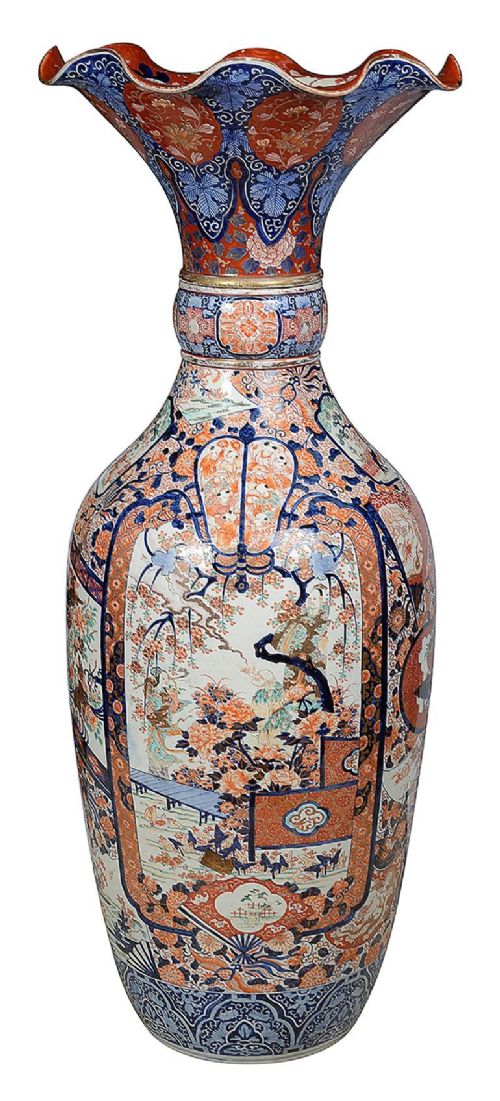
Porcelain vases on stands bring together ceramic bodies and fitted supports, often taking the form of large floor-standing vessels or table arrangements. Buyers searching for porcelain vases on stands encounter pieces originating from nineteenth-century Japan and China, alongside Victorian English examples.
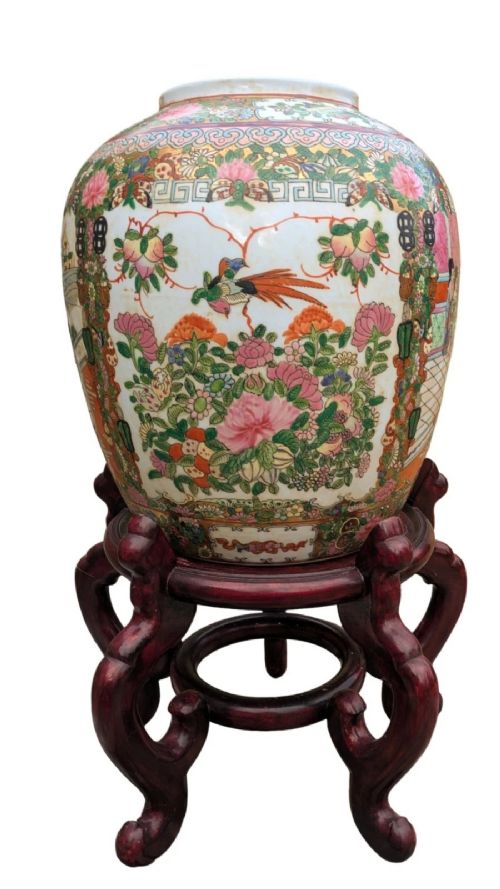
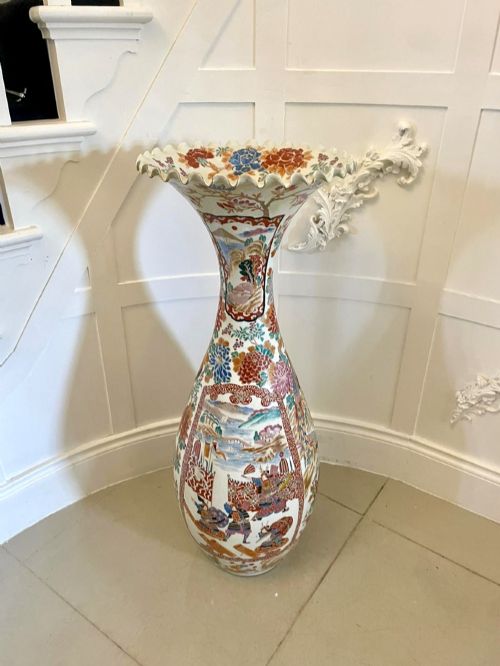
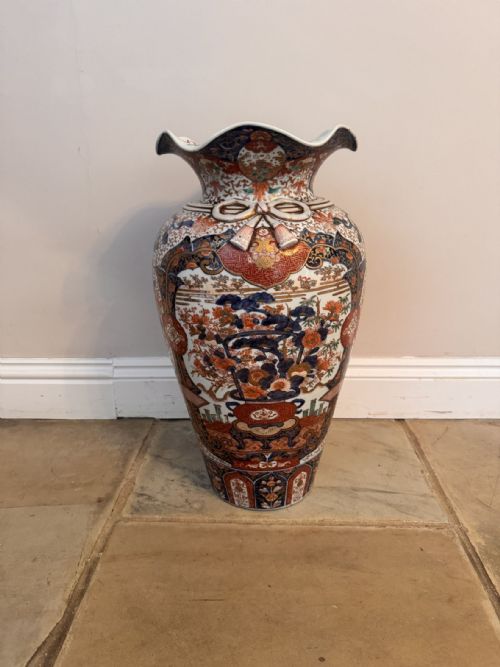
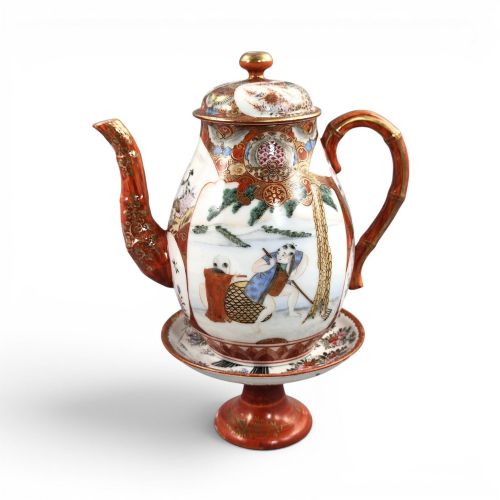
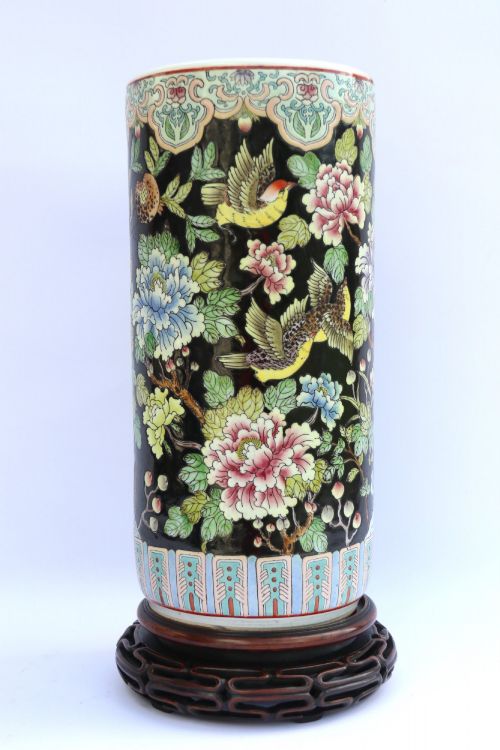
Japanese Imari and Kutani wares feature prominently, accompanied by Chinese export ceramics such as Rose Medallion and Canton porcelain. Many vessels rest upon their original wooden or porcelain bases, which elevate the ceramic form.
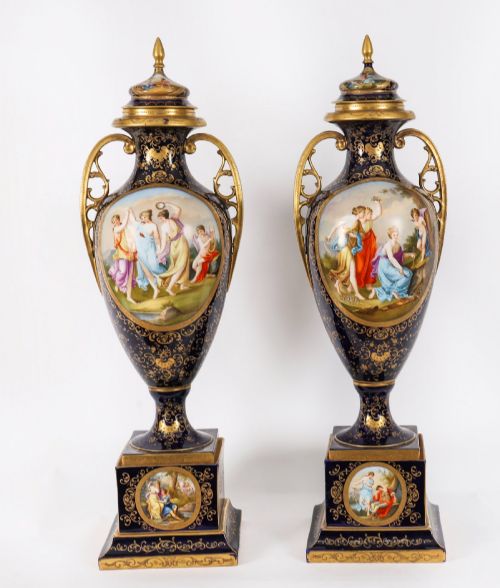
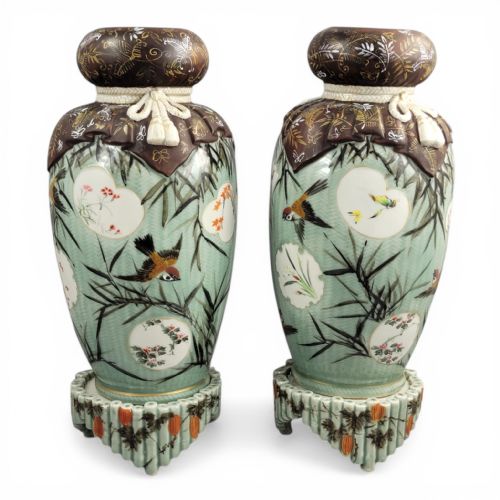
Forms range from large lidded pairs to umbrella stands and table lamps. The integration of a dedicated stand alters the silhouette and presence of the vase within a room.
Materials and Construction
Makers shaped ceramic clay into bodies before applying glazes, enamel colours, and gold leaf highlights. Techniques such as moriage built up raised slip designs on the ceramic surface.
Stands were constructed from carved hardwood or matched porcelain, designed to support heavy vessels. Lacquer over black paint also appears on select pieces from the period.
Porcelain Vases on Stands Retail Price Guide 2026
Typical asking prices for porcelain vases on stands among the pieces listed under this phrase on Sellingantiques today, from the lower quarter to the upper quarter. They describe what is for sale here now, not the wider market.
Listings feature nineteenth-century porcelain, hardwood stands, and enamel decoration from Japanese and Chinese origins.
Judging Quality
Quality rests in the crispness of hand-painted enamel details and the stability of the fitted stand. Original matching stands demonstrate a higher degree of integration with the ceramic vase.
The weight and presence of monumental floor vases distinguish superior examples from standard table wares. Finer pieces maintain intact gilding and well-preserved surface decoration across large porcelain expanses.
Kato Sanhei·Royal Vienna·Carlton Ware·Fukagawa
The Porcelain Vases on Stands Glossary
- Imari
- A style of Japanese export porcelain decorated in underglaze blue, iron red, and gold. This palette creates a distinct contrast on the ceramic surface.
- Moriage
- A decorative technique where slip is piped onto porcelain to create raised patterns. It adds tactile texture beneath the glaze.
- Canton Porcelain
- A classification of Chinese export porcelain decorated in rose medallion or famille rose palettes. These pieces were produced specifically for Western markets.
- Hardwood Stand
- A separate or integrated base carved from dense wood to display a vase. It lifts the ceramic vessel off the floor or surface.
- Baluster
- A vase shape with a rounded body that tapers toward the neck. This form provides a stable silhouette for large floor pieces.
Porcelain Vases on Stands: Frequently Asked Questions
How do I clean porcelain vases on stands?
Dust ceramic surfaces gently with a dry, soft cloth to remove everyday particles. Avoid harsh chemical cleaners that might damage enamel details or gold leaf.
Treat wooden stands with a suitable furniture polish sparingly. Ensure the vase remains secure on its stand during any movement.
Are the stands original to the vases?
Many listings include original hardwood or matching porcelain stands designed specifically for the vessel. These pairings ensure a stable fit and maintain historical integrity.
Examine the base and underside for signs of wear that match the main ceramic body. Original supports share the age and patina of the vase.
Where were these porcelain vases made?
The pieces originate primarily from nineteenth-century Japanese kilns, including Imari and Kutani production centres. Chinese export workshops in Canton also produced significant quantities.
European factories such as Royal Vienna and Carlton Ware contributed alternative ceramic styles during the Victorian era.
What is a floor standing vase?
Floor standing vases are large ceramic vessels designed to rest directly upon the floor rather than on a table. They often require a sturdy stand or base for proper elevation.
These monumental pieces served as focal points in nineteenth-century interiors. Their substantial height distinguishes them from smaller cabinet or table vessels.