
Porcelain Tea Saucer
When you handle a porcelain tea saucer from the eighteenth or nineteenth century, you hold a delicate vessel shaped by centuries of ceramic evolution.
Porcelain Tea Saucer
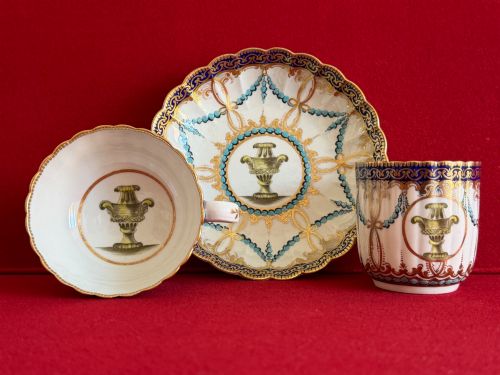
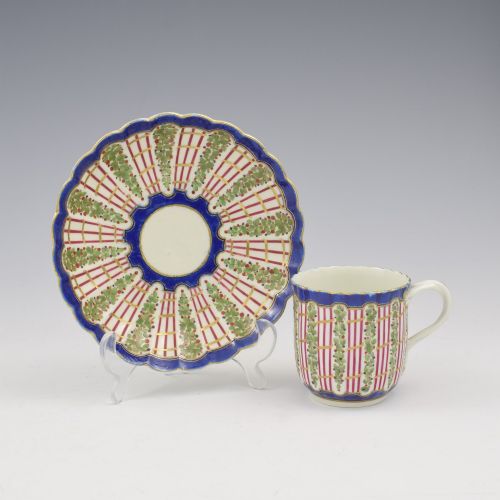
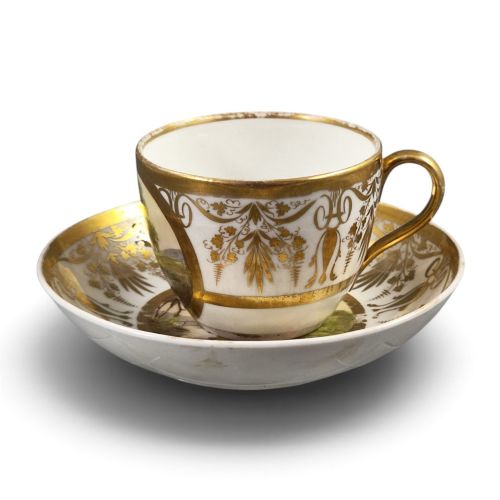
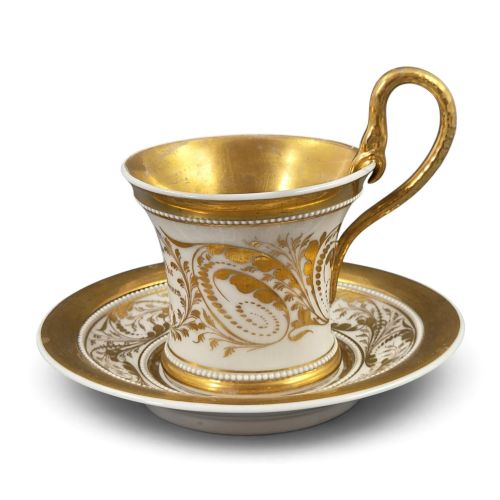
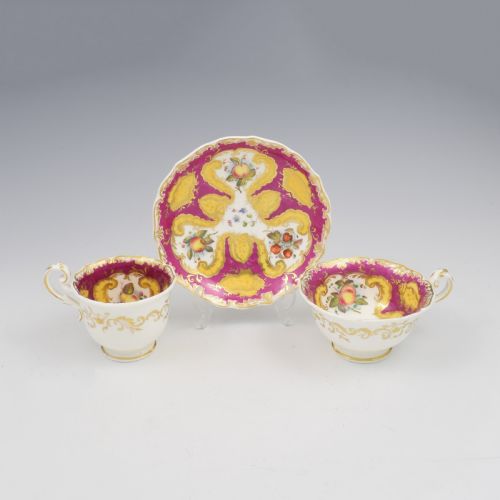
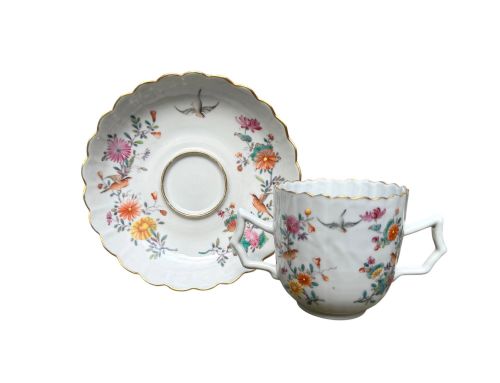
A porcelain tea saucer serves as the foundational base for matching cups, bowls, and trios across domestic settings. You will find items spanning the eighteenth century through the early twentieth century, originating from English factories, continental makers, and Chinese export kilns.
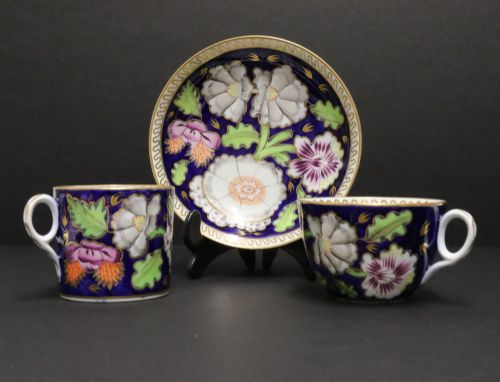
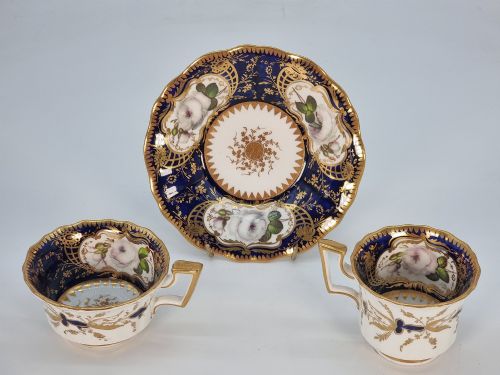
The selection ranges from early tea bowls and saucers to elaborate Victorian afternoon tea services and cabinet pieces. Many examples appear alongside matching teacups or coffee cans within surviving trios and larger sets.
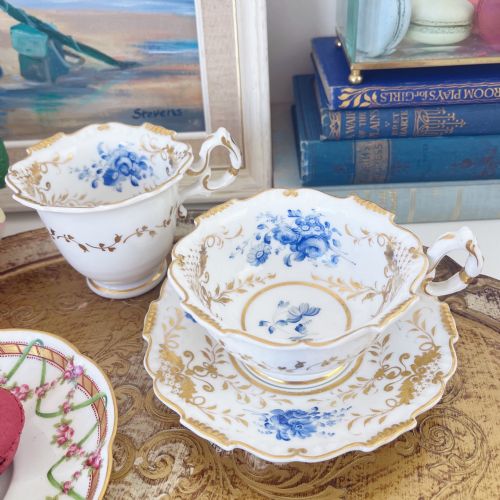
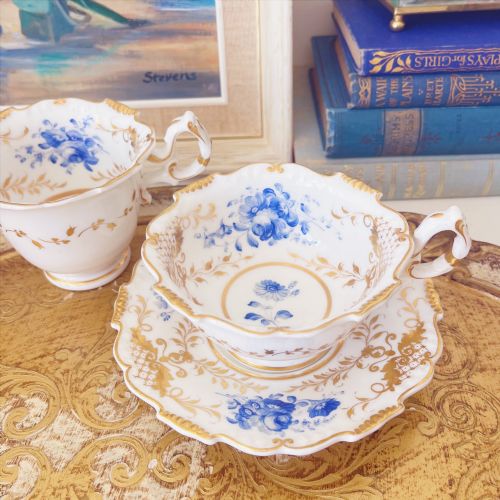
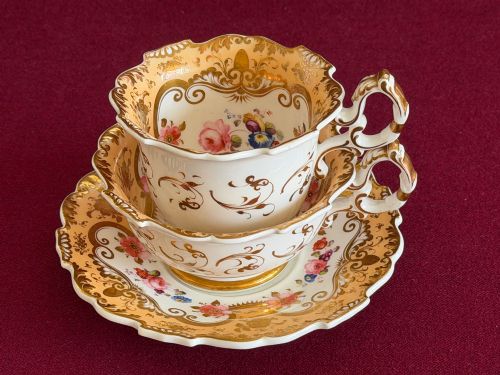
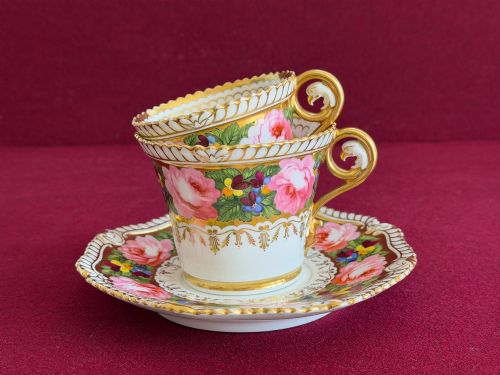
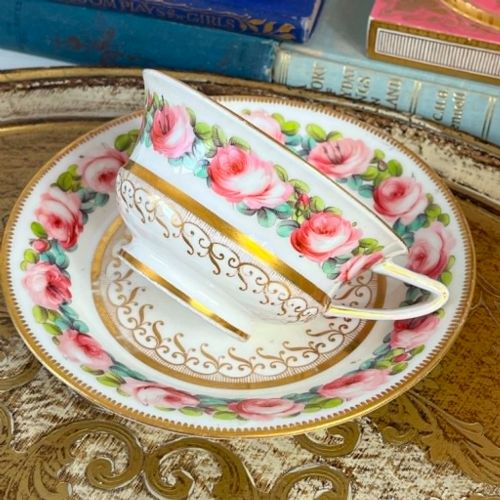
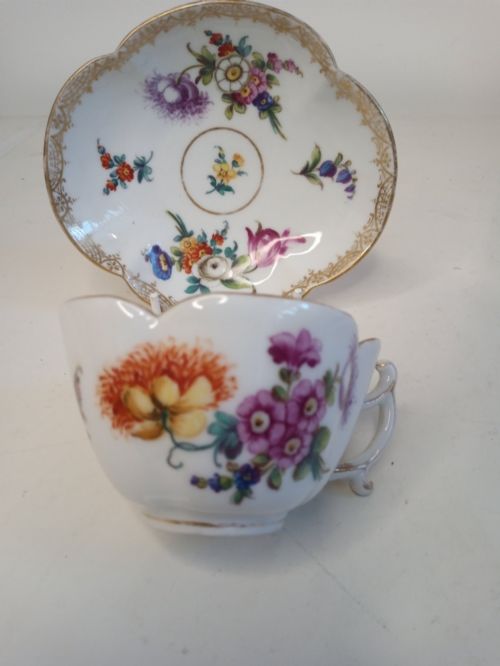
Makers from Worcester, Coalport, Derby, New Hall, and various international potteries dominate the offerings. Pieces vary from simple fluted tea bowls to richly gilded presentation items and handpainted botanical designs.
How They Were Made
Potters utilised both soft-paste and hard-paste porcelain, alongside bone china, shaping bodies through throwing or moulding before high-temperature firing. Early pieces often display distinct potting marks and variations inherent to eighteenth-century kiln technology.
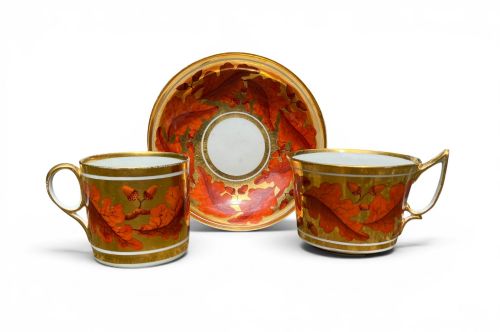
Decoration relied heavily on handpainting, underglaze blue, enamel colours, and transfer printing. Artisans applied gold leaf and rich gilding by hand to borders and central motifs, often finishing wares with specialised glazes like enamel and gilt.
What Varies in Quality
The refinement of the porcelain body and the crispness of the moulding set standard tiers of execution. Finer wares exhibit thin, translucent walls and precise potting without warping from the kiln.
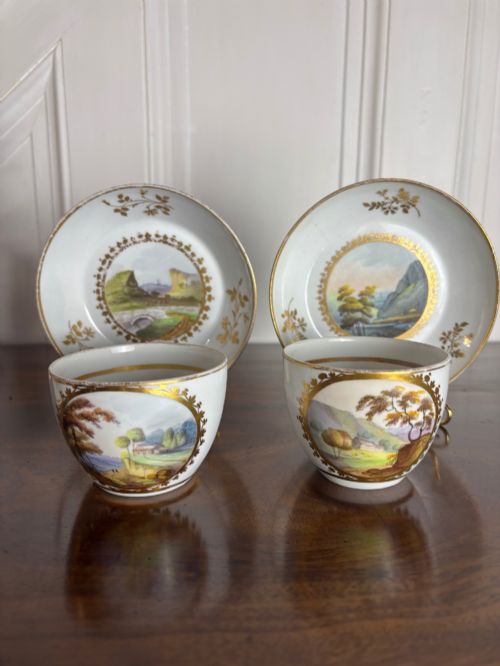
The skill of the painting distinguishes standard production from exceptional cabinet pieces. Detailed handpainted landscapes, birds, or botanical studies executed by named artists elevate the status of the item.
H & R Daniel·Chamberlain Worcester·Newhall Porcelain·Coalport·Dr Wall Worcester·KPM Berlin·Derby Porcelain·Minton·Sevres·Flight Barr And Barr·Hicks Meigh And Johnson·Royal Worcester·Royal Albert Crown China·Meissen·Spode·Ridgway
The Porcelain Tea Saucer Glossary
- Bone China
- A type of porcelain incorporating bone ash into the ceramic paste. This material provides exceptional strength and a bright white ground.
- Tea Bowl
- A small, handleless drinking vessel used alongside a saucer for consuming tea before the widespread adoption of handled cups. These pieces date predominantly to the eighteenth century.
- Trio
- A matching set comprising a teacup, a coffee cup, and a saucer. Such configurations were popular during the Georgian and Regency periods.
- Famille Rose
- A palette of opaque enamel colours dominated by pink, introduced to Chinese export porcelain during the eighteenth century.
Porcelain Tea Saucer: Frequently Asked Questions
What is the difference between a tea bowl and a teacup?
Tea bowls are small, handleless vessels designed for early tea drinking customs, while teacups feature applied handles for easier gripping.
Tea bowls typically appear alongside eighteenth-century saucers, whereas handled cups become standard by the Regency period.
How do I identify eighteenth century porcelain saucers?
Eighteenth-century saucers often display soft-paste porcelain bodies, handpainted underglaze blue decorations, and translucent qualities when held to the light.
Examining the foot rim and glaze pooling can also reveal period-specific manufacturing characteristics.
Were these saucers used daily or displayed?
While many saucers formed part of working domestic tea services, fine cabinet pieces and presentation cups were primarily intended for display.
Usage patterns often correlate with the presence of gilding wear and surface scratching from cup placement.
What does a porcelain trio include?
A standard porcelain trio consists of a matching teacup, a coffee cup, and a saucer.
This configuration allowed drinkers to alternate between tea and coffee during formal nineteenth-century gatherings.