






Porcelain Plaque Frame
These porcelain plaque frame selections bring together hand-painted ceramic art and protective wooden or gilt housings from the nineteenth and early twentieth centuries.
Porcelain Plaque Frame
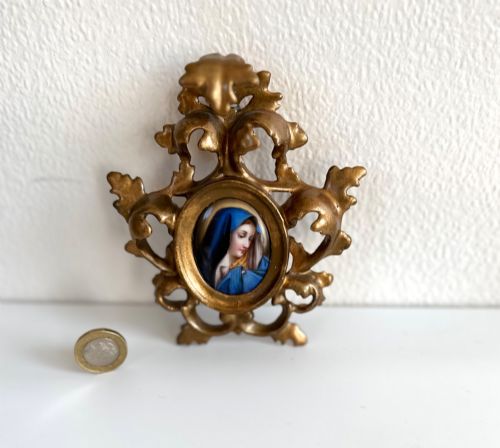
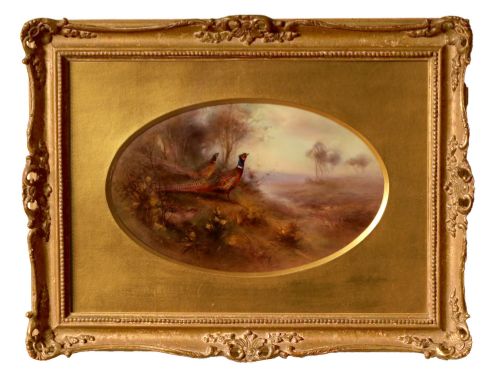
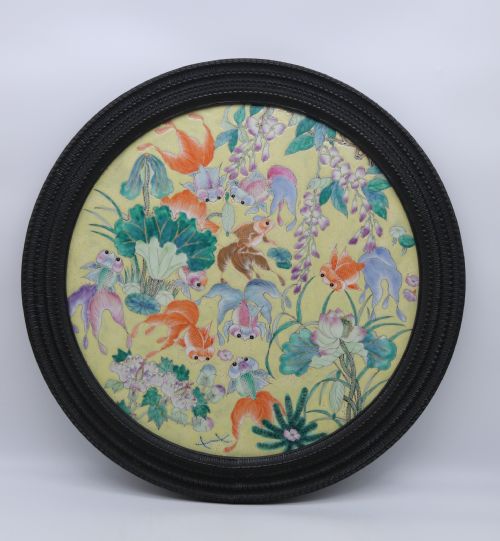
A porcelain plaque frame unites a painted ceramic centre with a dedicated surround, designed to hang upon a wall or rest upon a surface. When searching for a porcelain plaque frame, buyers encounter pieces ranging from Victorian religious miniatures to Edwardian botanical studies and hand-painted landscapes.
The objects combine European porcelain manufactory output with various mounting traditions, including carved wood, giltwood, and Florentine frames. Pieces span the nineteenth century into the twentieth century, encompassing Victorian, Art Nouveau, and Chinese Republican periods.
Survivals on this page include German works from KPM alongside English productions from Royal Worcester and Minton. Each piece pairs a fragile ceramic surface with a rigid outer boundary intended to preserve the painted scene.
Materials and Construction
Makers utilised fired porcelain panels as the primary ground for hand-painted enamel and pigment work, often applying multiple kiln firings to fix delicate portraits and still lifes. Pâte-sur-pâte techniques build up raised white reliefs against coloured slip backgrounds.
Surrounding housings rely on wood, giltwood, or glass, sometimes incorporating ormolu mounts or carved floral details. Frames protect the brittle ceramic edges while complementing the painterly style of the central plaque.
German manufactories like KPM and English makers including Royal Worcester dominate the painted portrait and landscape plaque selections.
Assessing Quality and Execution
The skill of the painter dictates the hierarchy of these works, separating factory-produced transfer prints from meticulous hand-painted masterpieces after Renaissance or classical sources. Brushwork detail in facial expressions, drapery, and natural foliage demonstrates the artist's training.
The integrity and originality of the surrounding frame also influence the piece, particularly where carved giltwood or Florentine surrounds match the period of the porcelain. Signatures from established painters or factory marks from Berlin, Sevres, and Worcester anchor the provenance.
James Stinton·Royal Worcester·KPM·Richard Ginori·Minton
The Porcelain Plaque Frame Glossary
- Pâte-sur-pâte
- A method of porcelain decoration where successive layers of liquid white clay are built up on a coloured body to create a low relief cameo effect. This technique allows light to pass through thinner areas of the design.
- Ormolu
- Gilded bronze mounts applied to furniture or frames during the eighteenth and nineteenth centuries. The process involves coating metal with a mercury and gold amalgam before heating.
- Enamel
- Vitreous material fused to a surface through high-temperature firing. It provides durable colouration on plaques and painted ceramic panels.
- Giltwood
- Timber carved and coated with gold leaf or metallic powder to create a lustrous golden finish. It frequently frames nineteenth-century portraits and religious scenes.
- Porcelain
- A ceramic material made by heating raw ingredients, including kaolin, in a kiln to high temperatures. It yields a hard, non-porous white body suitable for detailed miniature painting.
Porcelain Plaque Frame: Frequently Asked Questions
How do I hang a heavy porcelain plaque frame?
Most framed porcelain plaques require secure wall anchors suited to the weight of the timber and ceramic combined. Ensure the hanging wire or fixings on the reverse are firmly attached to the frame structure rather than the backing board.
Distribute the weight evenly using two points of contact for wider giltwood or Florentine frames to prevent tilting.
Are these plaques fixed permanently inside their frames?
Many plaques are secured with original backing boards, pins, or plaster seals applied by the maker or period framer. Removing the ceramic panel risks damaging the fragile edges and the glaze.
Leave the assembly intact unless conservation cleaning by a professional is strictly necessary.
How do I clean a painted porcelain plaque?
Dust the glass and frame gently with a dry, soft brush or microfiber cloth. Avoid spraying liquids directly onto the wooden mount or the porcelain surface.
If the plaque is unglazed or lacks protective glass, consult a specialist conservator before applying any moisture.
How can I tell a nineteenth-century frame from a modern reproduction?
Examine the construction methods on the reverse, looking for hand-cut joints, aged timber patination, and period fixings such as old screws or handmade nails. Gilt surfaces on older frames show natural wear and craquelure rather than uniform modern finishes.
Maker stamps or handwritten inscriptions on the back of the porcelain often corroborate the period of the housing.