




Porcelain Ming Bowl
A porcelain ming bowl brings centuries of imperial or export craft into the modern room, offering authentic stoneware and blue-and-white glaze work.
Porcelain Ming Bowl
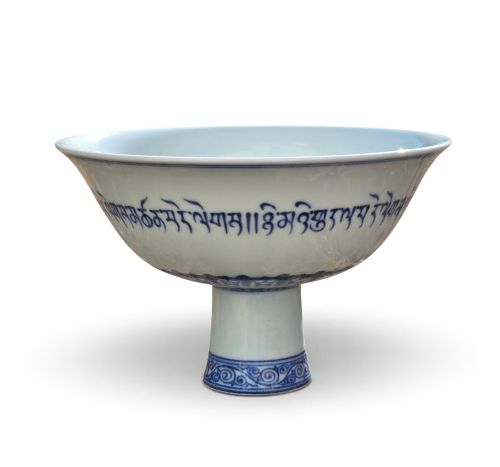
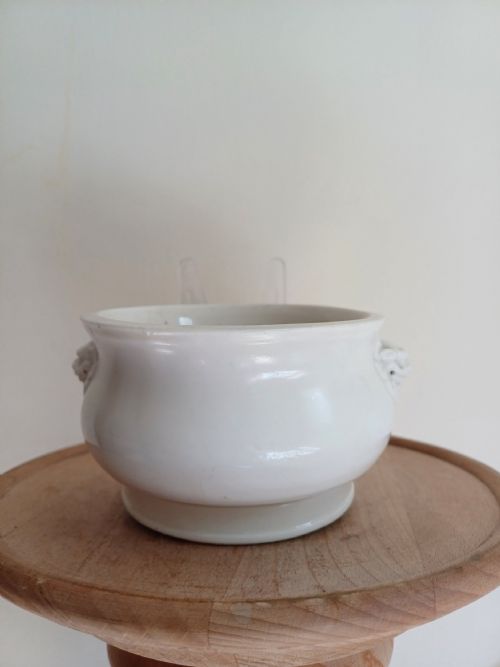
When you search for a porcelain ming bowl, you enter a field defined by centuries of Chinese ceramic tradition, spanning the sixteenth and seventeenth centuries alongside later nineteenth-century interpretations. The pieces you meet here range from massive chargers and punch bowls to delicate stem cups, brush washers, and incense burners.
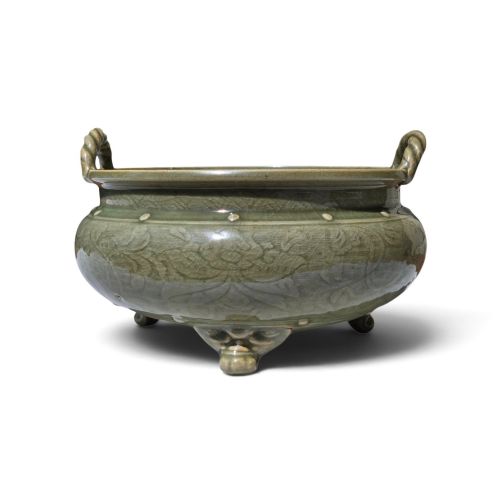
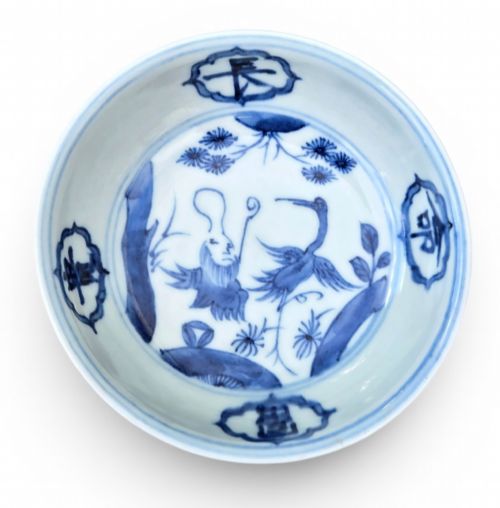
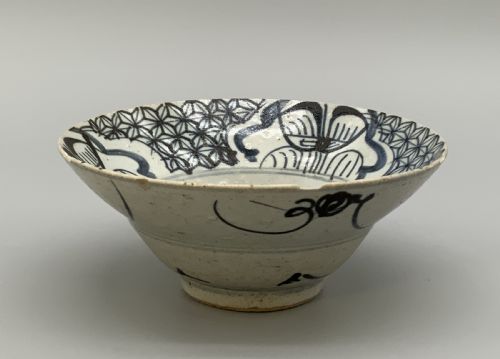
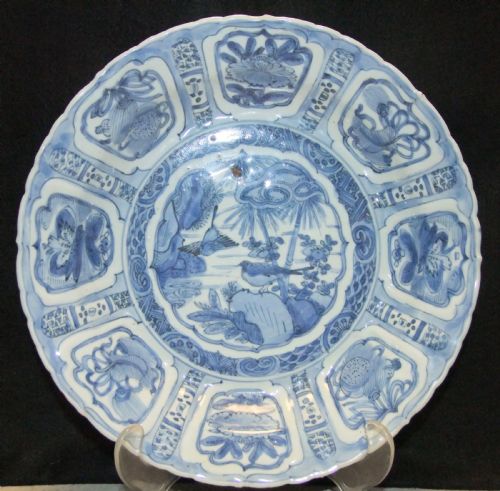
Most examples originate from the Ming dynasty and subsequent periods, taking forms such as the Kraak klapmuts bowl or the robust Swatow vessel. You will also encounter specialised wares like Longquan celadon tripod censers and deep saucer-dishes bearing cobalt decoration.
While many items date directly to the sixteenth and seventeenth centuries, nineteenth-century pieces reflecting imperial styles and specific scripts also appear. Each vessel carries the distinct aesthetic of its original kiln, whether intended for domestic ritual, export trade, or imperial court use.
Assessing Quality
Quality rests in the precision of the cobalt underglaze work and the balance of the ceramic form, whether dealing with a punch bowl or a brush washer. Superior pieces display crisp brushwork in motifs such as cranes or floral sprays, whereas lesser examples show blurred pigment spread or uneven glazing.
The integrity of the body itself dictates the upper tier of the range, where potting thickness matches the intended function of the vessel. Kiln anomalies and structural weight separate standard export wares from finer pieces made for the imperial court.
The material record shows a strong presence of Wanli period pieces and Swatow export wares alongside decorative stem cups and chargers.
The Porcelain Ming Bowl Glossary
- Celadon
- A pale green jade-like glaze fired over a stoneware body. This finish originated in ancient kilns and values subtle crackle patterns over painted decoration.
- Cobalt Underglaze
- A blue pigment applied directly to the unbaked clay body before the transparent glaze is added. This technique protects the design from wear during centuries of use.
- Swatow
- A classification for rougher, robust export porcelain produced in southern Chinese kilns during the late sixteenth and seventeenth centuries. These vessels often feature bold, freehand cobalt painting.
- Kraak
- A style of Chinese export porcelain characterised by compartmentalized panel decoration around a central motif. It gained immense popularity in Europe during the Wanli period.
- Stem Cup
- A drinking vessel raised on a tall, hollow foot. These forms require precise balance during the throwing and firing process.
Porcelain Ming Bowl: Frequently Asked Questions
How do I date a ming bowl?
Dating relies on examining the potting style, the cobalt blue tone, and the specific glaze characteristics associated with periods like the Wanli era. Historical kiln practices leave subtle clues in the foot ring and body weight.
Comparing known sixteenth- and seventeenth-century forms against nineteenth-century revival pieces helps clarify the timeline of production.
What is a klapmuts bowl?
A klapmuts bowl is a specific type of Kraak porcelain vessel featuring an everted, sloping rim. These forms were heavily exported to Europe during the Ming dynasty.
Their distinctive shape makes them readily identifiable among other sixteenth-century export ceramics.
Can I use these bowls daily?
While these ceramics are durable stoneware and porcelain, their age and historical value mean most owners choose to display them rather than use them for dining. Careful placement away from heavy traffic areas preserves the glaze.
Gentle dusting with a dry cloth is sufficient for routine maintenance.
What does Swatow mean?
Swatow refers to a grouping of Chinese export ceramics shipped through southern ports during the Ming dynasty. These pieces often display spirited, rapid brushwork in underglaze blue.
They are prized for their vigorous folk aesthetic rather than strict imperial refinement.