


Porcelain Hand Display
Porcelain hand display pieces bring intricate painted scenes and cabinet forms into collections through centuries of ceramic tradition.
Porcelain Hand Display
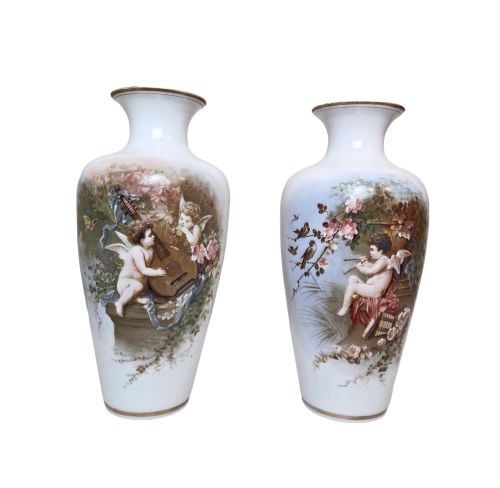
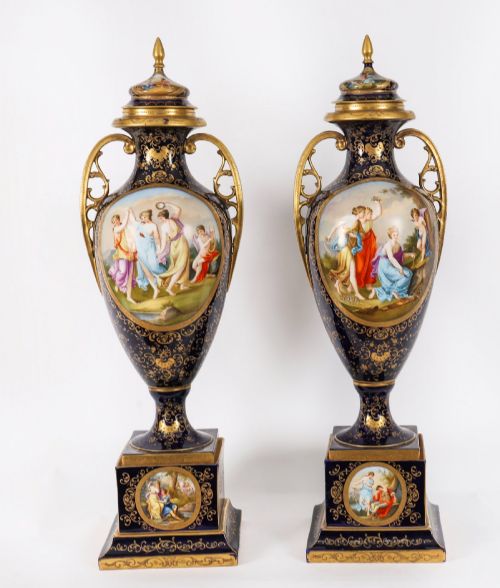
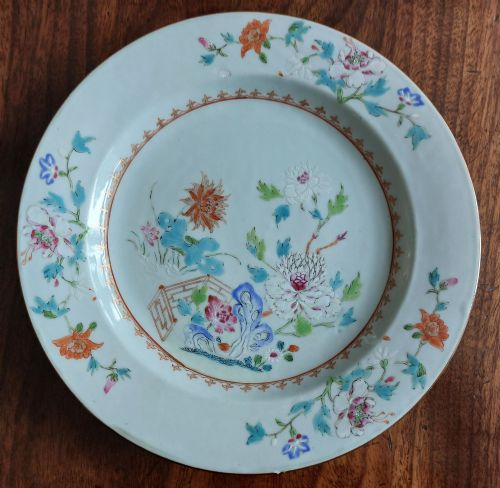
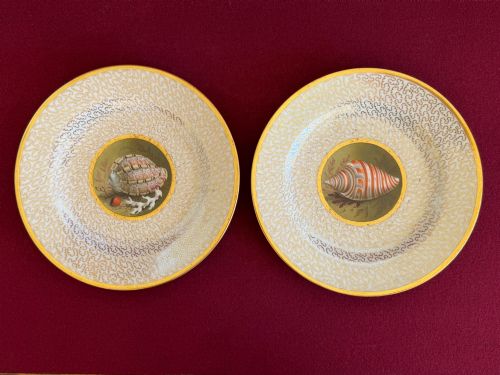
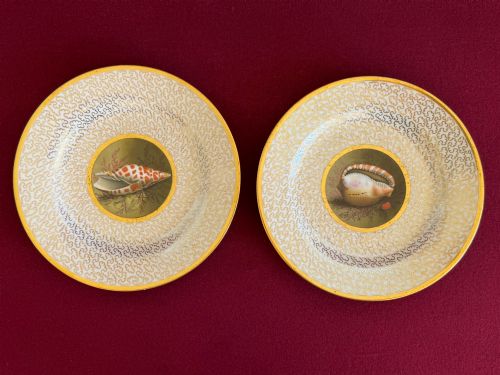
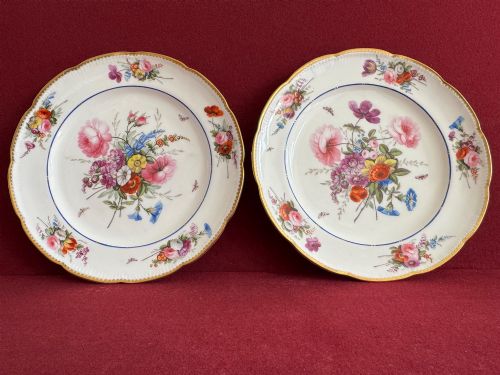
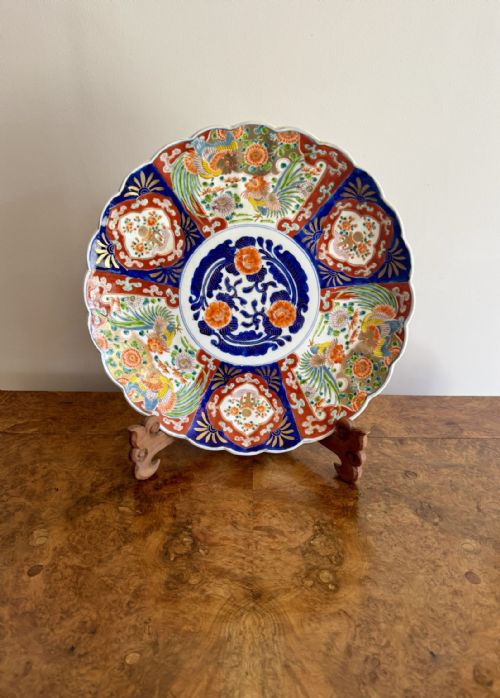
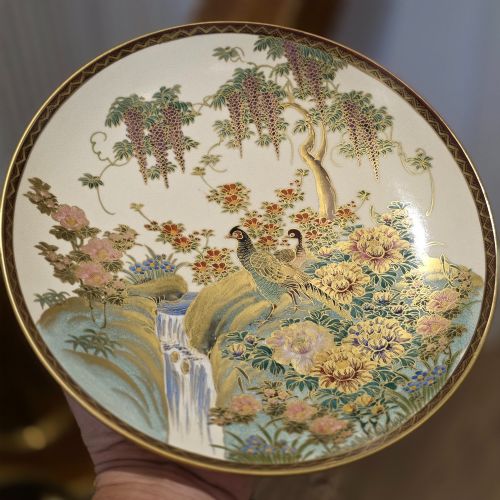
Collectors seeking a porcelain hand display encounter a variety of decorative plates, cabinet plates, bowls, and chargers originating from diverse periods such as the 18th century, Victorian era, and 1930s. The listings frequently feature hand-painted surfaces with subjects ranging from ornithological studies to topographical views and Japanese Imari motifs.
The objects span English factories, continental European makers, and Japanese export workshops, reflecting global trade and aesthetic shifts. Pieces from the Regency and Edwardian periods sit alongside Meiji period ceramics and later 20th-century cabinet wares.
Materials and Technique
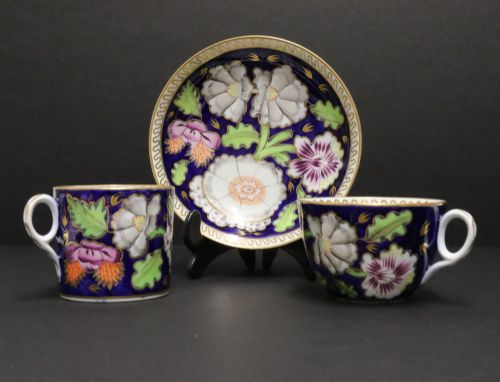
Maker's workshops utilised hard-paste porcelain, bone china, and enamel, applying glaze and gilding to enrich the surfaces before firing. Artisans employed gold leaf and fine brushwork to delineate birds, fruit, and floral displays across plates and chargers.
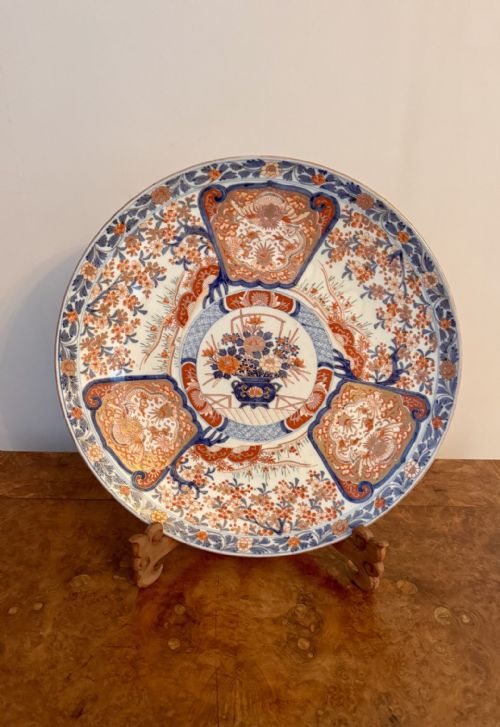
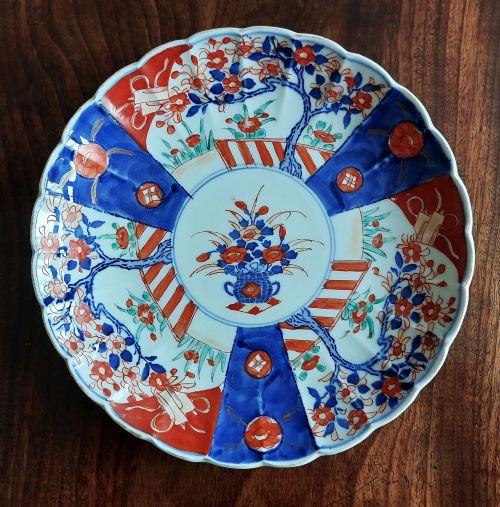
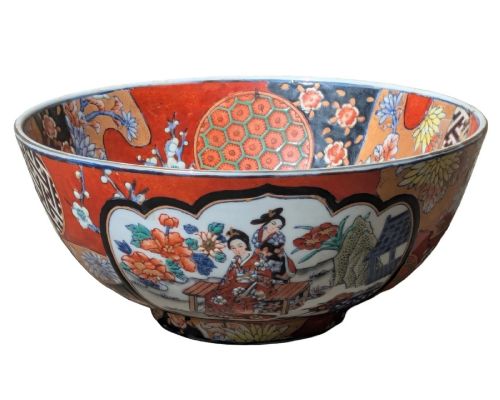
Techniques varied from the intricate transfer and hand-colouring of early English manufactories to the vibrant underglaze blues and iron-red enamels characteristic of Japanese Imari porcelain.
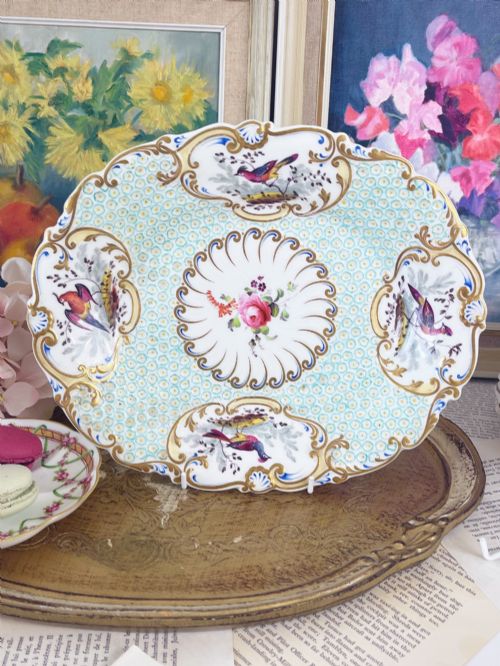
An enthusiastic bird watcher will find unexpected delight in cabinet plates featuring painted lapwings, common terns, and fancy birds.
Evaluating Quality
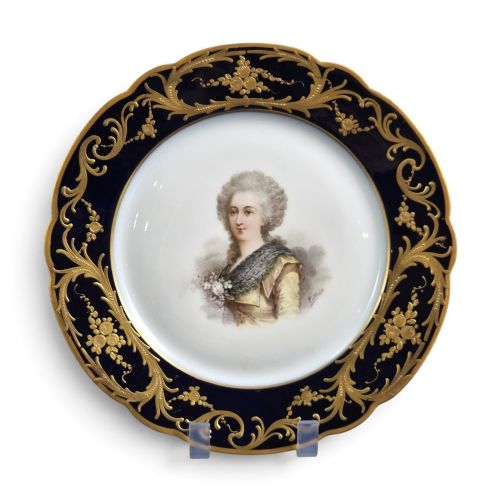
Quality rests in the precision of the hand-painted detail, particularly on cabinet plates depicting fruit, birds, or portraits where named artists demonstrate exceptional brushwork. The crispness of the gilding and the purity of the porcelain paste distinguish standard production wares from pieces destined for wealthy patrons.
Form and scale also dictate distinction, seen in large Imari chargers or pierced Aesthetic period dessert plates that exhibit ambitious moulding and balanced composition.
H & R Daniel·Royal Worcester·Royal Crown Derby·Meissen·Minton
The Porcelain Hand Display Glossary
- Cabinet Plate
- A decorative ceramic plate intended for display in a cabinet rather than for dining use. These often feature elaborate hand-painted subjects by named artists.
- Imari
- A style of Japanese porcelain decorated in underglaze blue, iron red, and gold, which heavily influenced European factories. The palette remains vibrant and distinct.
- Hard-paste Porcelain
- A dense, durable ceramic material fired at high temperatures, composed of kaolin and petuntse. It forms the basis of many fine continental and Asian pieces.
- Gilding
- The application of gold leaf or powdered gold to ceramic surfaces to highlight rims, motifs, and patterns. It adds a reflective quality to the finished piece.
Porcelain Hand Display: Frequently Asked Questions
How do I identify Japanese Imari ware?
Imari porcelain is characterised by a distinct colour palette combining underglaze blue, iron red, and supplementary gold leaf. The patterns frequently incorporate floral arrangements and brocade motifs.
Originating in Japan for export, the style was widely imitated by European potteries during the 19th century.
What is bone china?
Bone china is a type of soft-paste porcelain that incorporates bone ash into the clay mixture. This composition results in a strong, slightly translucent body well suited for delicate forms.
English factories adopted this material extensively during the Regency and Victorian periods for tableware and cabinet pieces.
How should I display antique plates?
Antique porcelain plates are best exhibited using secure wall hangers or stable cabinet stands designed to support their weight safely. Placement should avoid direct sunlight to preserve the vibrancy of hand-painted enamels and gilding.
Rotating items or dusting them gently with a soft brush maintains their condition over time.