


Porcelain Fruit Display Dish
These porcelain fruit display dish pieces bring botanical artistry and vibrant hand-painting directly to your table or cabinet.
Porcelain Fruit Display Dish
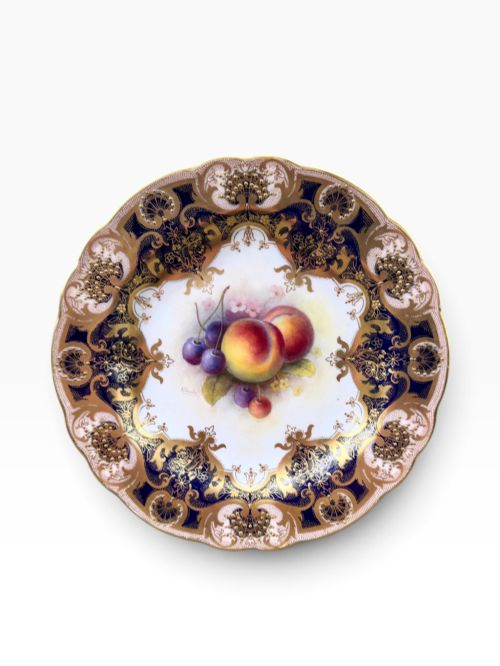
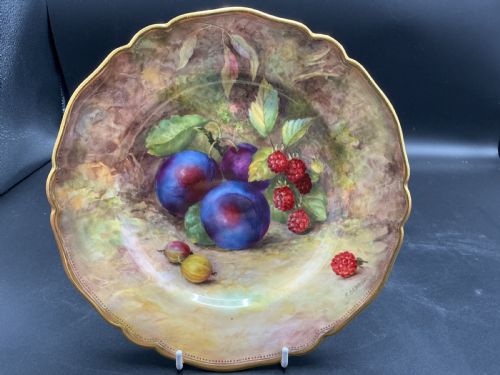
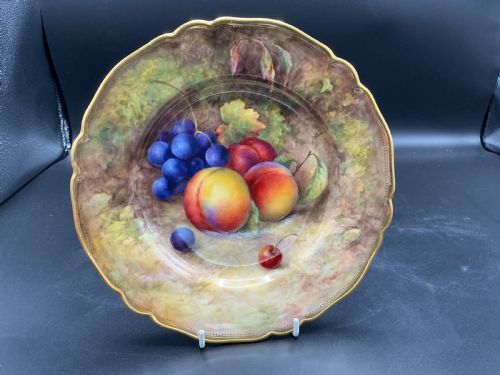
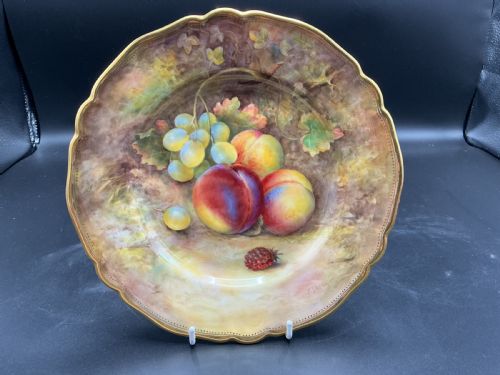
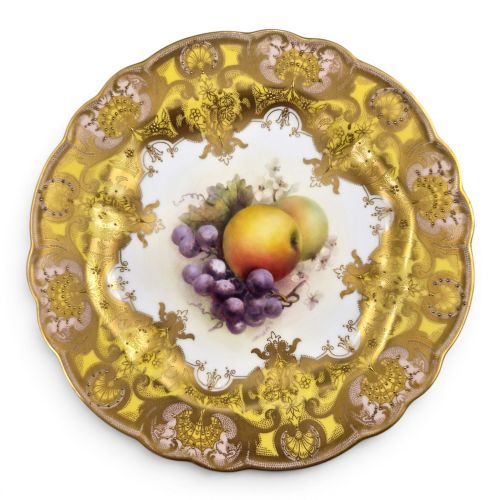
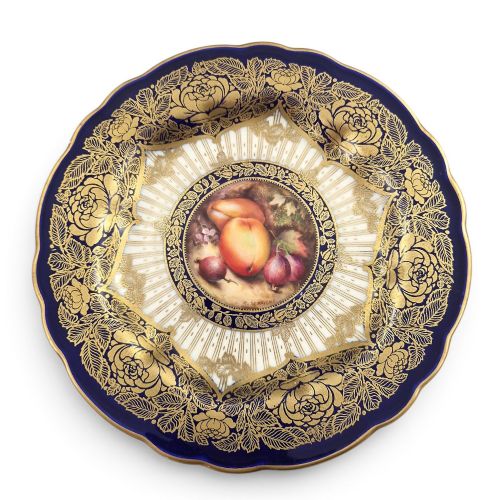
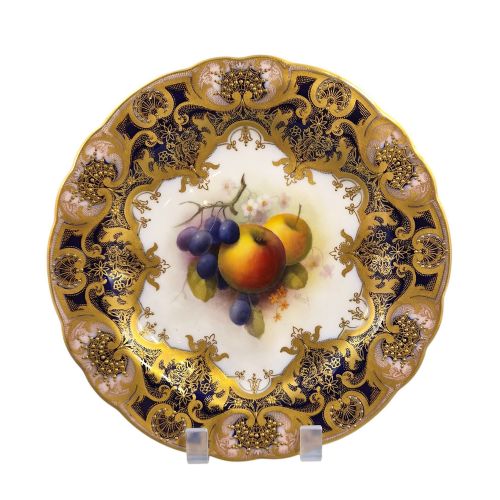
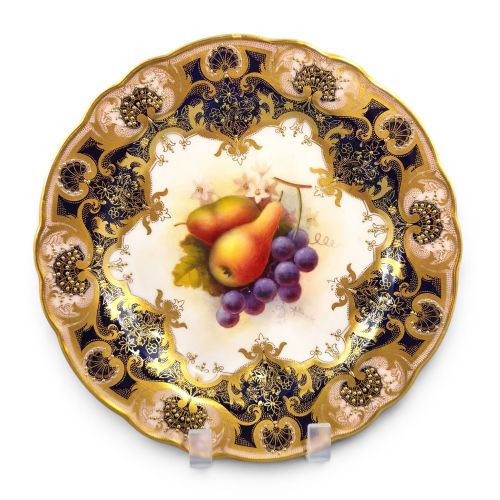
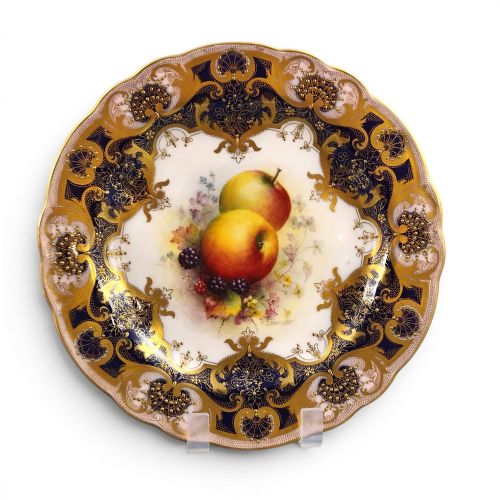
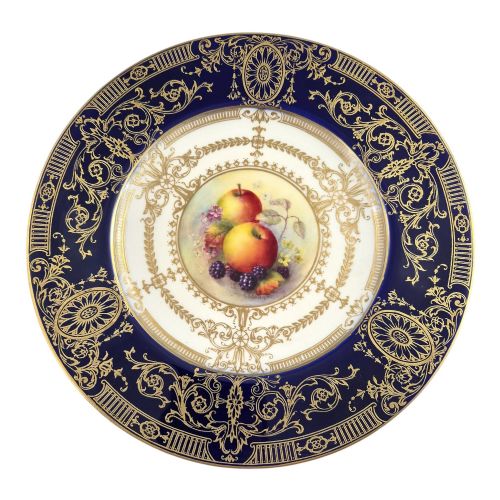
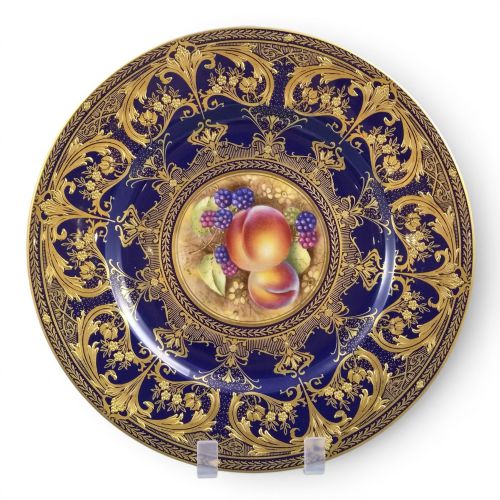
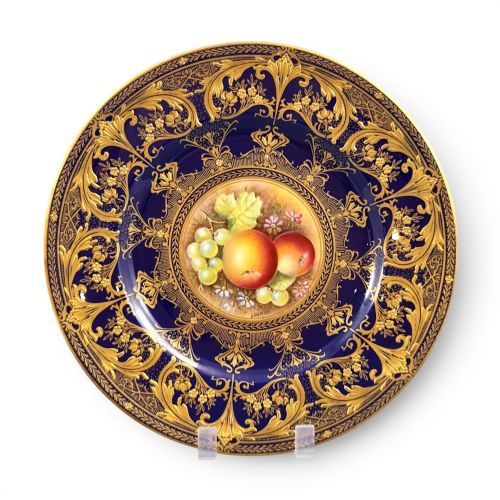
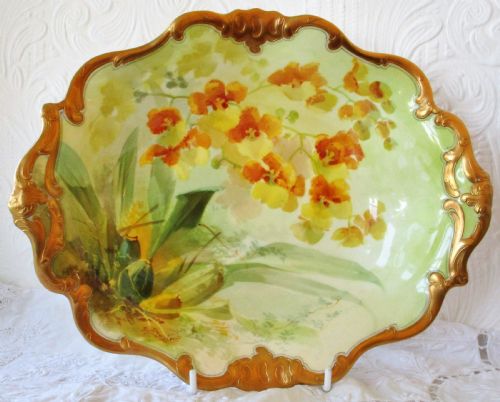
A porcelain fruit display dish serves as a vibrant centrepiece or cabinet plate, designed to showcase detailed botanical studies and ornamental motifs. When you search for a porcelain fruit display dish, you encounter forms ranging from scalloped bowls to large rope-edge plates produced across various periods. English traditional makers and Japanese workshops both shaped these decorative items to celebrate natural subjects.
The selections span the nineteenth century through the mid twentieth century, including Edwardian examples and pieces dated from the 1920s to the 1970s. Cabinet plates and decorative bowls dominate the available types, often carrying signatures from notable painters working in porcelain factories. These items reflect changing decorative tastes while maintaining a primary focus on painted fruit and floral arrangements.
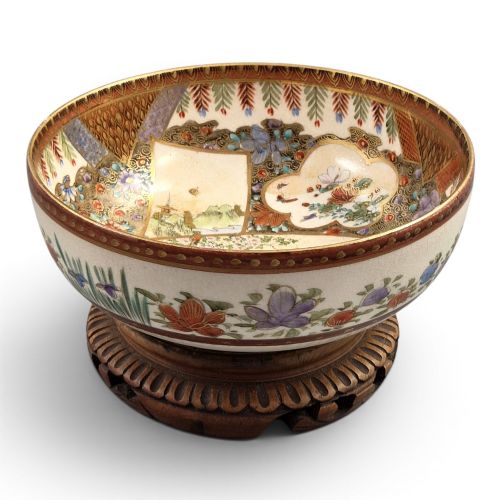
Many of the items originate from British potteries like Royal Worcester, alongside Japanese Imari and Satsuma productions from the Meiji period. Buyers frequently find pieces featuring specific artist signatures, such as Richard Sebright or Albert Shuck, attached to English porcelain. This mixture of European hand-painted botanical studies and Asian export ceramics defines the available selection.
Materials and techniques
The construction of these pieces relies on fine porcelain, bone china, and earthenware bodies shaped into plates, bowls, and platters. Artisans applied enamel colours and gold leaf or gilding to highlight borders and central motifs. Techniques combined standard ceramic throwing or moulding with meticulous hand-painting.
Painters utilised rich enamel palettes to render realistic fruit, foliage, and intricate patterns across the ceramic surface. Gilding and gold gilt borders frequently frame the painted scenes, adding reflective contrast to the fired porcelain. Kiln firing fixed the pigments and metallic accents into durable, glossy finishes.
Listings feature works from the 19th Century, Edwardian era, and the 1920s to the 1970s, utilising porcelain, bone china, and earthenware.
Evaluating quality and execution
Quality rests upon the skill of the hand-painted decoration and the crispness of the porcelain moulding. Pieces bearing signatures from established artists demonstrate higher artistic execution than standard factory output. The precision of the enamel work and the richness of the gilding set superior examples apart.
The complexity of the form, such as scalloped edges or rope-moulded borders, influences the overall refinement of the object. Weight, translucency of the bone china or porcelain, and preservation of the gold leaf details distinguish the finest cabinet plates and bowls from simpler decorative wares.
Royal Worcester·Royal Doulton·Wedgwood·Kornilov Brothers
The Porcelain Fruit Display Dish Glossary
- Cabinet plate
- A decorative ceramic plate intended for display in a cabinet or on a wall rather than for daily dining use. These often feature elaborate hand-painted scenes.
- Gilding
- The application of gold leaf or gold paint to ceramic surfaces to create metallic borders and highlights. This technique enhances the decorative appeal of the piece.
- Imari
- A style of Japanese porcelain featuring distinctive cobalt blue, iron red, and gold decoration. It was widely exported and copied in the West.
- Enamel
- Opaque glass-like pigments fused to the ceramic body during firing to produce bright, permanent colours. Painters use enamel for detailed figurative work.
- Bone china
- A type of soft-paste porcelain containing bone ash, known for its high strength, chip resistance, and milky translucency.
Porcelain Fruit Display Dish: Frequently Asked Questions
How were these dishes used originally?
These items served primarily as decorative cabinet pieces or display dishes for fruit within formal dining rooms and drawing rooms. Wealthy households placed them on sideboards or hung them in glazed cabinets to display artistic taste.
Over time, many transitioned into pure cabinet plates, valued more for their painted artistry than for practical service at the table.
Can I use these plates for serving food?
While technically made of ceramic, most antique cabinet plates and display dishes are intended for decorative viewing rather than culinary use. Older enamels and rich gilding can be sensitive to acidic foods and frequent washing.
It is best to treat them as display objects to preserve the integrity of the hand-painted fruit scenes and metallic borders.
How do I identify the period of a porcelain dish?
Examine the base for factory backstamps, registration numbers, and painted marks that correspond to known manufacturing dates. Stylistic clues such as the boldness of Art Deco geometry or the intricate borders of Edwardian design also help narrow down the era.
Signatures from recorded artists provide a direct link to specific working decades within the nineteenth and twentieth centuries.