

Porcelain Figure Statue
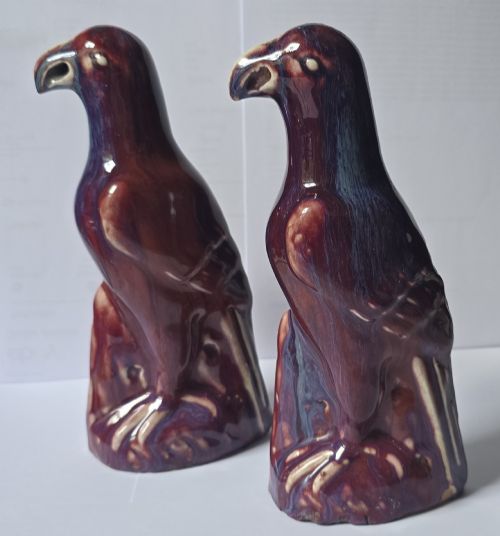
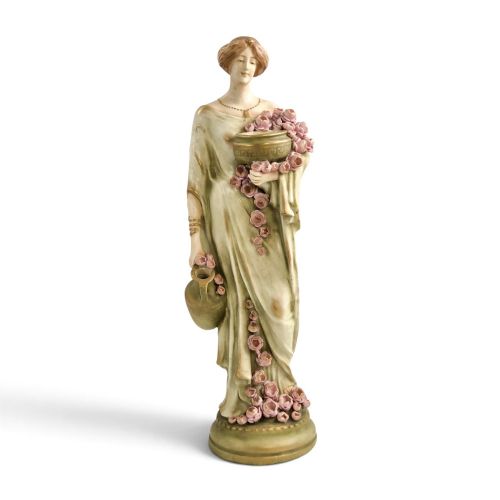
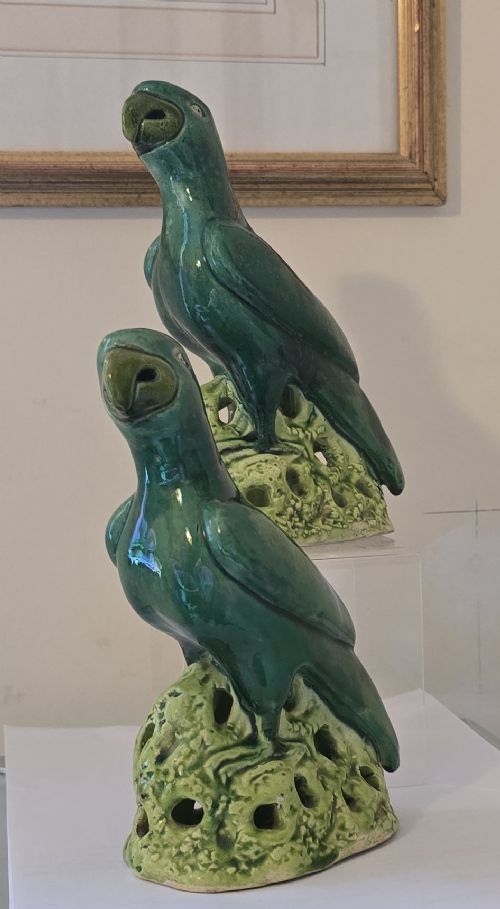
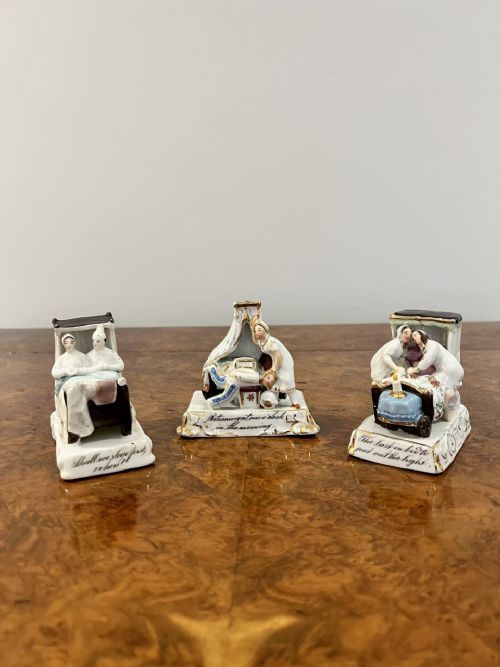
These porcelain figure statue pieces capture human, animal, and mythological forms across centuries of ceramic artistry.
Porcelain Figure Statue
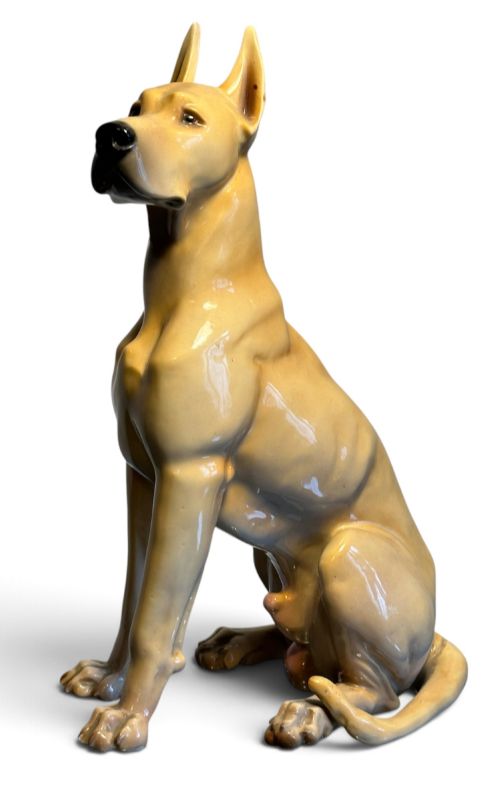
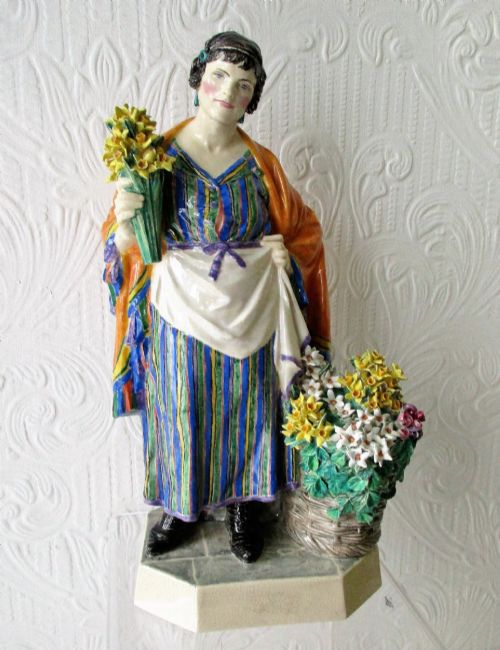
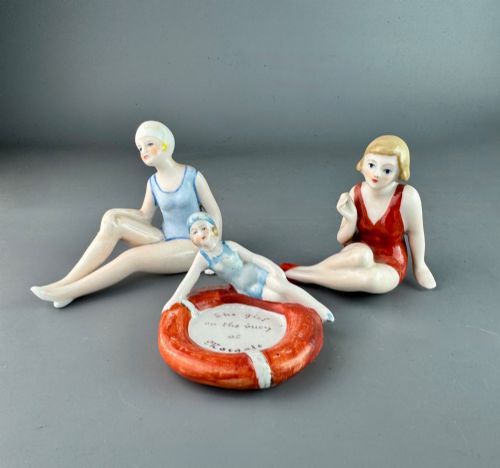
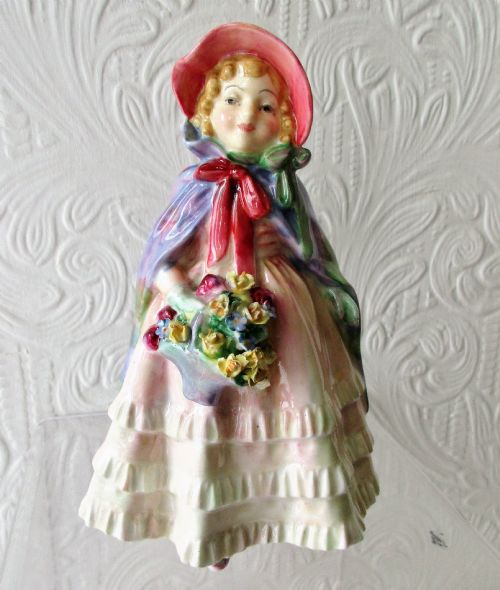
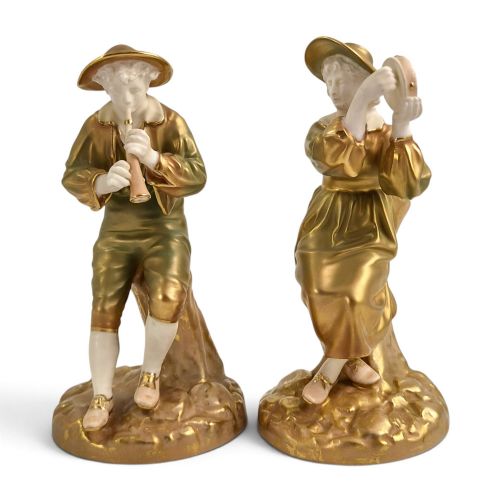
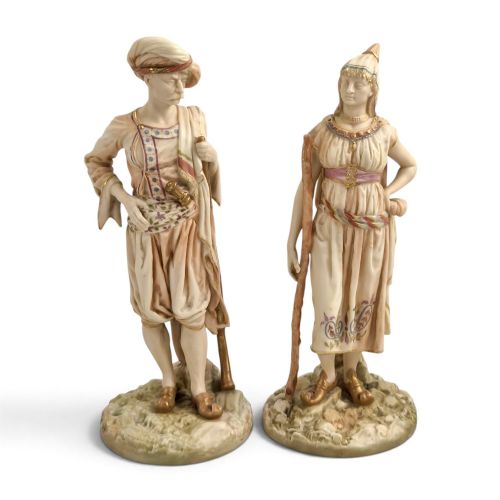
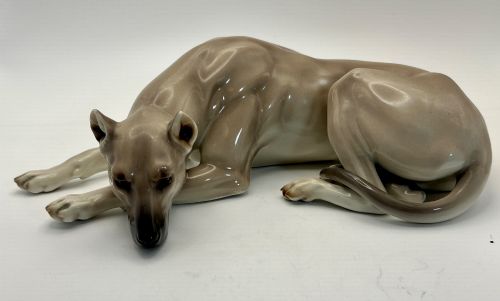
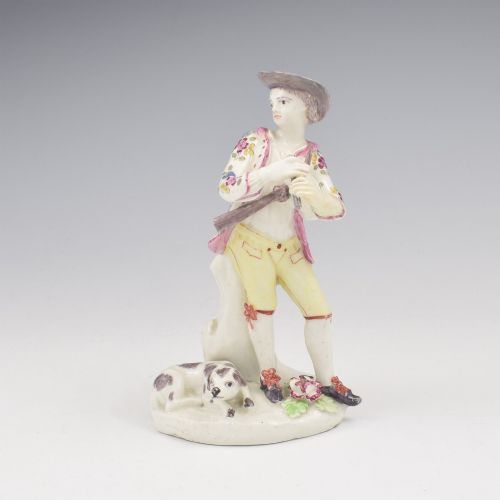
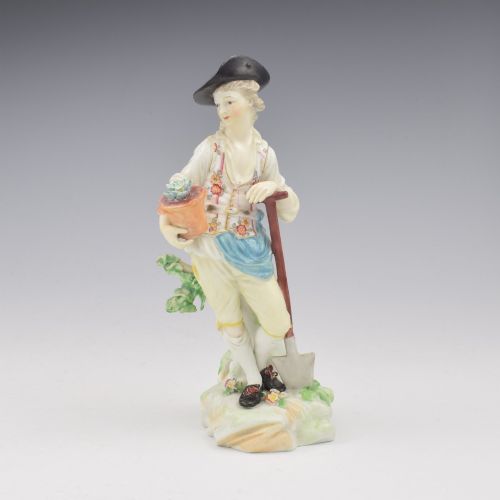
A porcelain figure statue encompasses a diverse array of ceramic sculptures, ranging from classical mythological groupings and portraits of royalty to depictions of animals and birds. Buyers navigating this selection encounter works shaped during the nineteenth and twentieth centuries, spanning Victorian, Edwardian, and Art Deco periods.
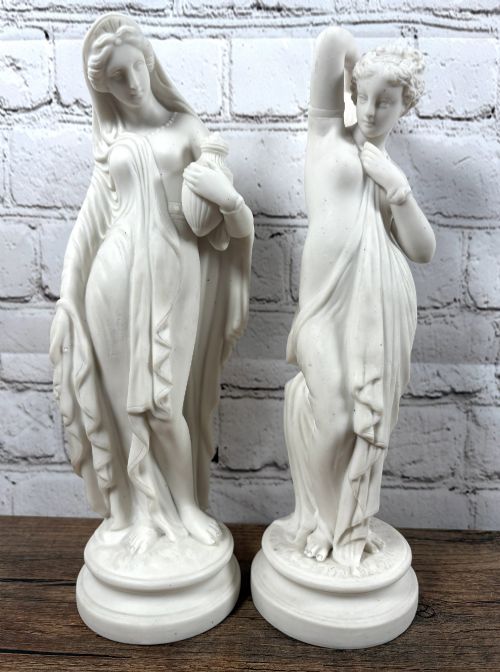
The objects take many forms, including glazed porcelain pairs, parian ware busts, earthenware groups, and hand-painted figures originating from English, continental European, and Asian kilns. The version most frequently met on this page is the Victorian or twentieth-century porcelain figurine, alongside larger decorative sculptural studies.
Materials and construction
Makers utilised porcelain, bone china, earthenware, and parian ware, often enriching the ceramic body with coloured glazes, enamel details, and touches of gold leaf. Parian ware required a specific unglazed porcelain composition designed to imitate carved marble, while traditional porcelain utilised fine clay mixtures fired at high temperatures.
Porcelain Figure Statue Retail Price Guide 2026
Typical asking prices for porcelain figure statue among the pieces listed under this phrase on Sellingantiques today, from the lower quarter to the upper quarter. They describe what is for sale here now, not the wider market.
Materials range from glazed porcelain and bone china to parian ware, earthenware, enamel, and gold leaf.
The spectrum of quality
Quality in a porcelain figure statue rests upon the crispness of the modelling, the depth of the biscuit or glazed surface, and the precision of the hand-painted decoration. Finer pieces display subtle facial expressions, cleanly defined drapery folds, and delicate rendering of extremities rather than heavy, indistinct contours.
The reputation of the manufactory and the skill of the individual modeller or painter heavily influence the standing of a piece. Earlier nineteenth-century works and productions from established European or Japanese kilns often exhibit superior anatomical proportion and surface finish compared to simpler commercial output.
Royal Worcester·Royal Doulton·Meissen·Karl Ens·Nymphenburg·Minton·Copeland·John Bevington·Volkstedt Rudolstadt Factory
The Porcelain Figure Statue Glossary
- Parian ware
- A fine-grained, unglazed porcelain developed in the nineteenth century to imitate white marble. It was frequently utilised for classical busts and allegorical figure groups.
- Bisque
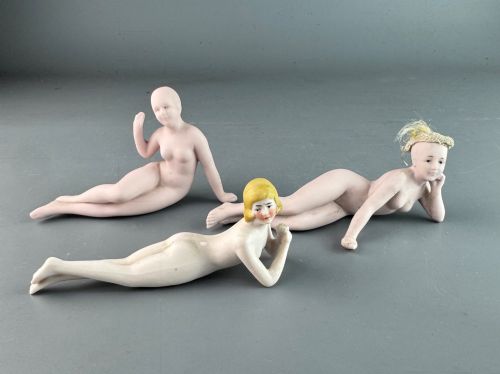
- Unglourished porcelain that has been fired once, offering a matte, porous surface resembling marble. It is commonly found on nineteenth-century continental sculptures.
- Moriage
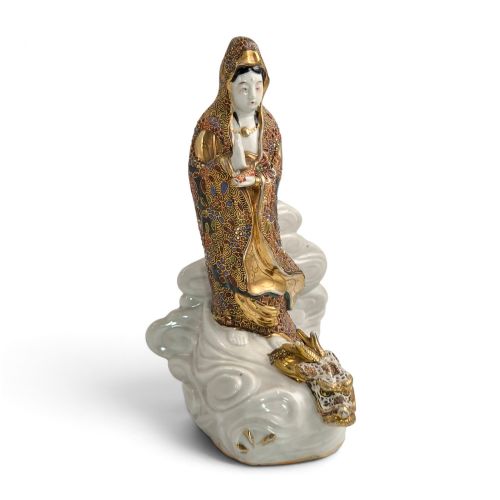
- A decorative Japanese ceramic technique where clay is piped onto the surface to create raised designs before glazing and gilding. This method appears on Kutani figures.
- Blanc-de-Chine
- A traditional Chinese white porcelain produced at Dehua, prized for its ivory tone and smooth glaze. It is traditionally used for religious and mythical figures.
- Staffordshire pottery
- Earthenware figures and groups produced in the Staffordshire potteries during the nineteenth century. These items were typically slip-cast and hand-painted for popular domestic display.
Porcelain Figure Statue: Frequently Asked Questions
How do I identify Meissen porcelain figures?
Meissen figures are typically marked with the factory's signature blue crossed swords emblem underneath the glaze. They often date from the nineteenth or early twentieth century and frequently portray animals, birds, or allegorical human groups.
The modelling is characterised by expressive postures and delicate hand-painted polychrome enamel decoration applied over a fine white porcelain body.
How were Staffordshire figures displayed?
Staffordshire pottery figures were produced in England during the nineteenth century as affordable ornamental items for domestic mantelpieces and shelves. They typically depicted royalty, literary characters, animals like greyhounds, or contemporary events.
The pieces were slip-cast in earthenware and decorated with bright underglaze colours to brighten Victorian parlours.
What is the difference between a figurine and a statue?
In ceramic collecting, the terms figurine and statue are often used interchangeably to describe free-standing sculptural pieces. Figurine typically implies a smaller, more delicate domestic ornament, while statue can denote a larger-scale study.
Both categories encompass human, animal, and mythological subjects rendered in porcelain, parian ware, or earthenware across various historical periods.