


Porcelain Figure Sculpture
Porcelain figure sculpture captures human, animal and mythological subjects in three dimensions, offering collectors a rich variety of European and Asian traditions.
Porcelain Figure Sculpture
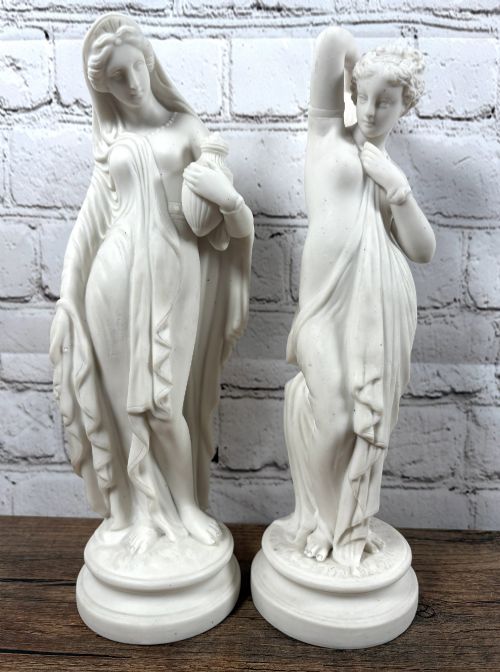
When you search for porcelain figure sculpture, you encounter a diverse array of three-dimensional works spanning the eighteenth, nineteenth and early twentieth centuries. These pieces range from delicate eighteenth-century allegorical groups and animals to large nineteenth-century parian busts and Asian ceramic deities.
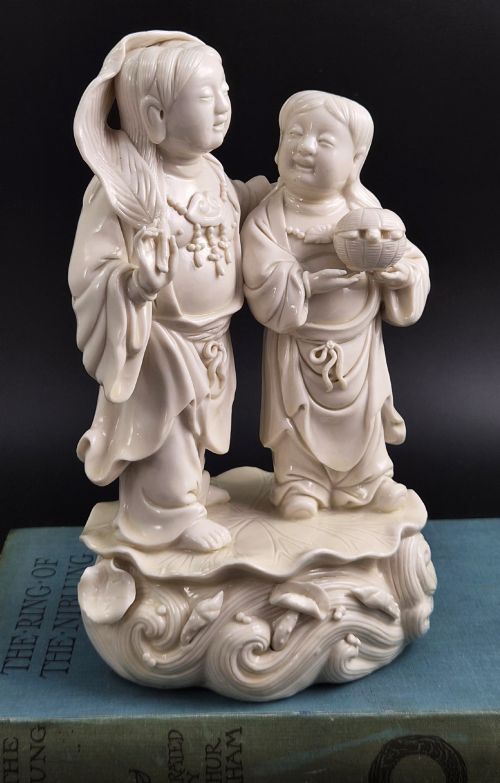
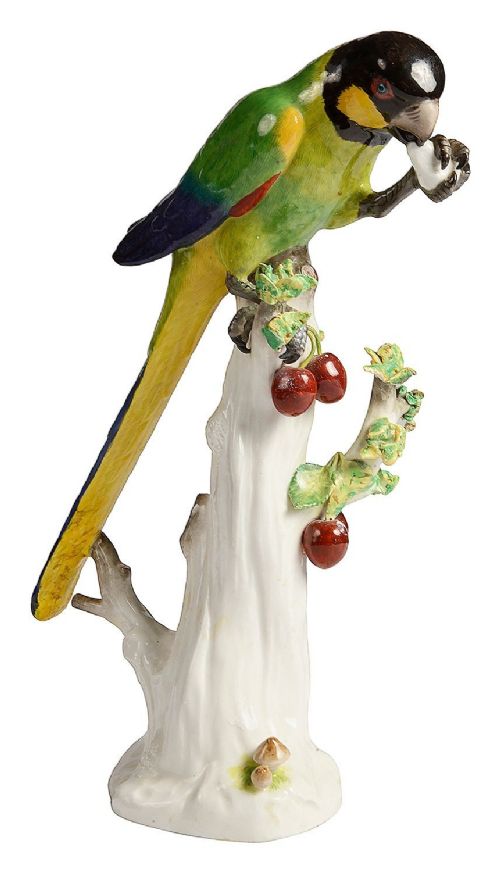
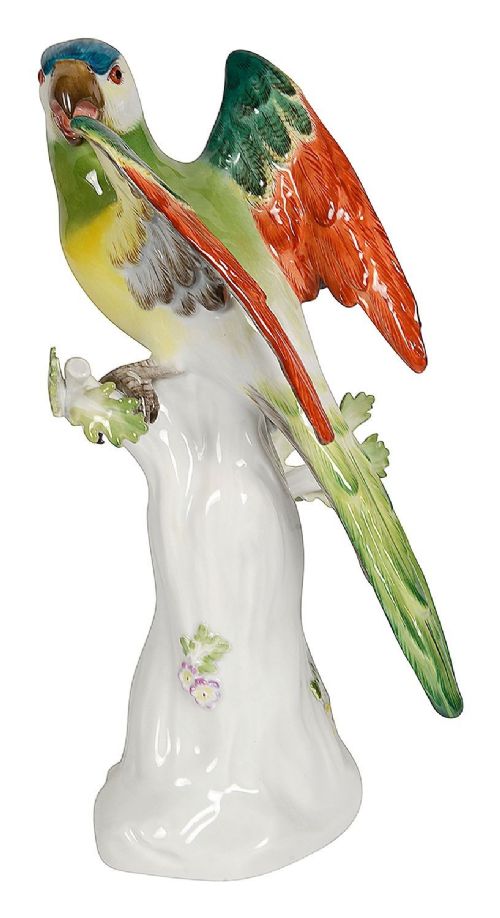
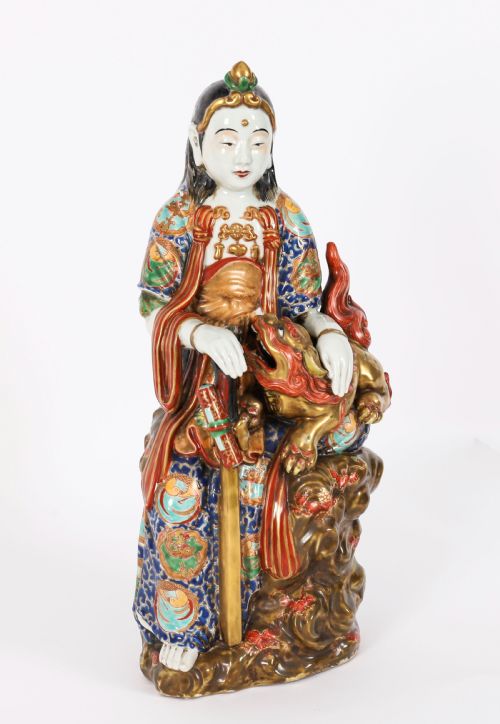
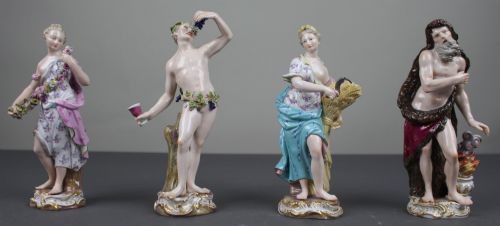
European works frequently reflect Rococo and Neoclassical styles, with factories such as Meissen, Derby and Bow producing detailed figurines, street traders and mythological subjects. Alongside these European examples, the selection includes Japanese Kutani and Satsuma okimono, alongside Chinese blanc-de-chine and sancai-glazed forms.
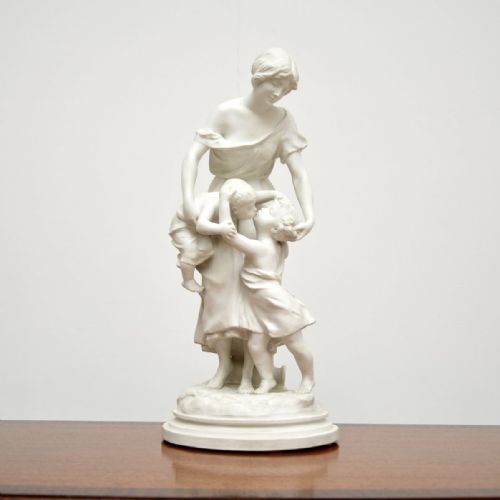
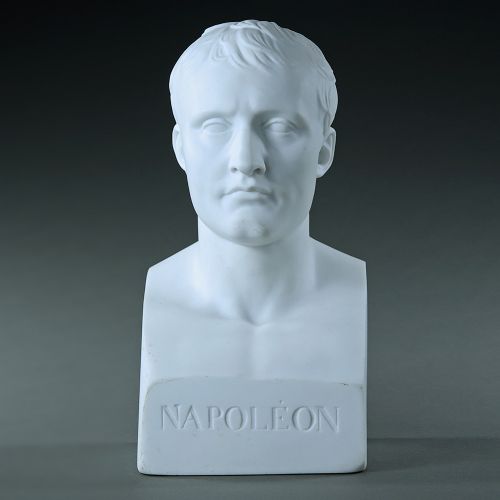
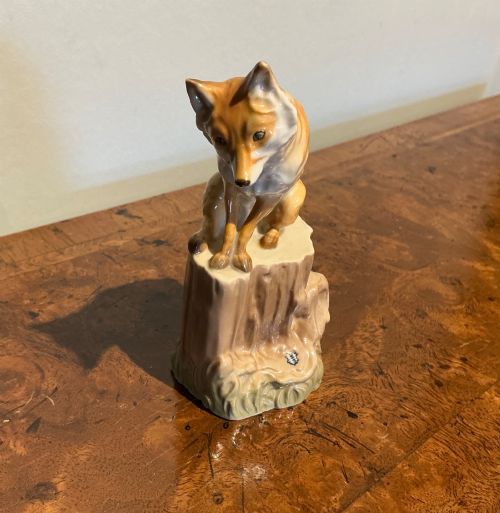
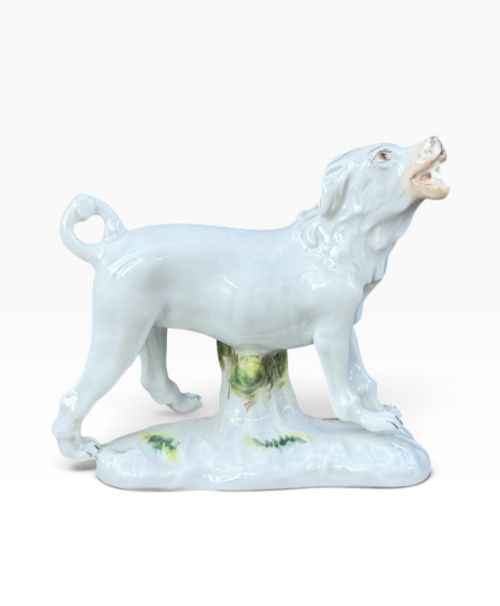
The objects take many forms, including single standing figures, paired groups, animal studies and portrait busts. Buyers on this page will most commonly meet nineteenth-century Meissen models, parian ware studies after classical sculptors, and Japanese Meiji period or Edwardian porcelain figures.
Materials and production methods
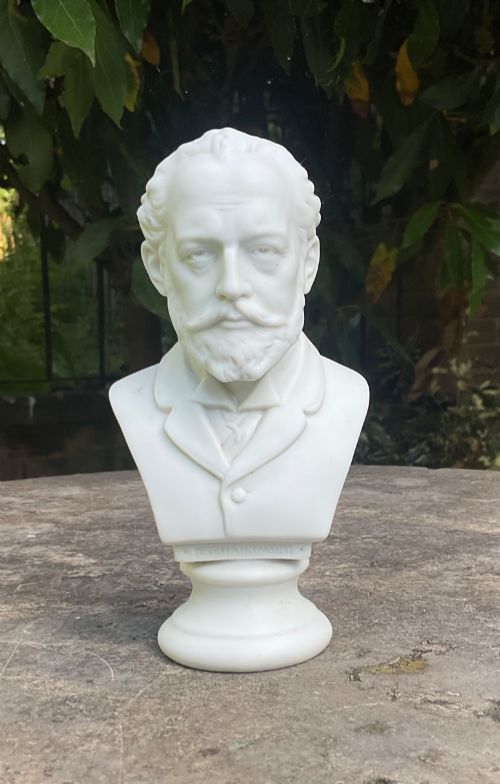
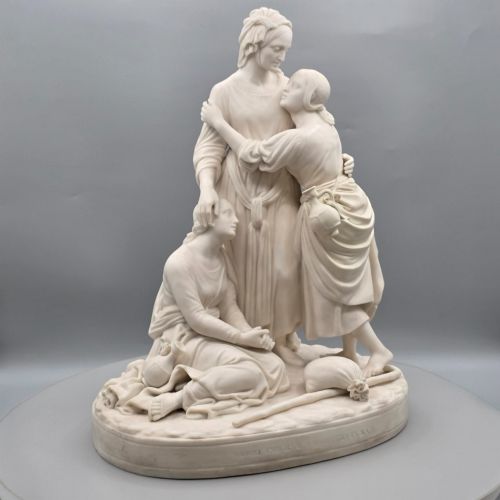
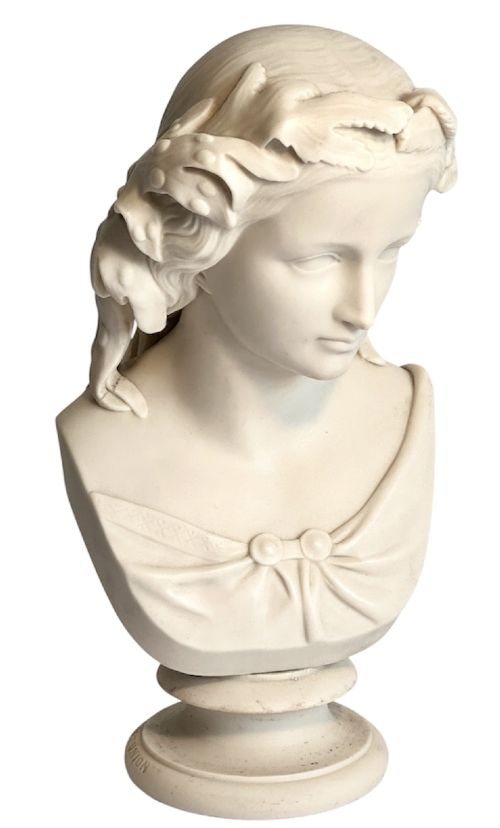
Manufacturers utilised hard-paste porcelain, soft-paste porcelain and unglazed parian ware, applying enamel colours, gold leaf, gilt and coloured glazes to accentuate details. Parian ware emerged in the nineteenth century as a fine-grained biscuit porcelain designed to imitate marble for classical busts and literary subjects.
Porcelain Figure Sculpture Retail Price Guide 2026
Typical asking prices for porcelain figure sculpture among the pieces listed under this phrase on Sellingantiques today, from the lower quarter to the upper quarter. They describe what is for sale here now, not the wider market.
Listings feature eighteenth-century Georgian works, nineteenth-century Victorian pieces, Edwardian items and twentieth-century examples.
Factors influencing quality
Quality in porcelain figure sculpture rests upon the crispness of the modelling and the precision of the hand-painting or biscuit finish. Finer examples display sharp facial expressions, delicate fingers, and meticulously rendered drapery or plumage without blurring in the glaze.
The reputation of the manufactory and the skill of the original modeller heavily influence the standing of a piece. Earlier eighteenth-century figures from factories like Meissen or Derby, alongside signed nineteenth-century parian studies and documented Japanese okimono, demonstrate superior artistic execution.
Meissen·Royal Worcester·Derby·Kutani·Satsuma·Royal Dux Bohemia·Minton·Copeland·Nymphenburg·Herend·Bow·Old Paris·Sèvres·Luca Madrassi·James Hadley·H. Schubert·Paul Scheurich·John Bevington·Johann Heinrich Dannecker·Michel Victor Acier·Chaudet
The Porcelain Figure Sculpture Glossary
- Parian Ware
- A fine-grained unglazed biscuit porcelain developed in the nineteenth century that resembles white marble. It was frequently used for portrait busts and classical figure groups.
- Biscuit Porcelain
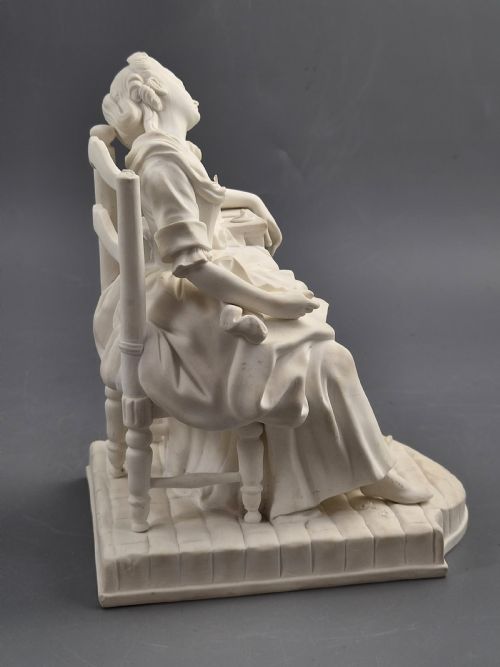
- Fired ceramic ware that has not been glazed. This matte surface allows fine sculptural details to remain sharp and unmasked.
- Okimono
- Japanese decorative sculpture designed for display on a shelf or in a tokonoma alcove. These figures often depict deities, historical figures or animals.
- Blanc-de-Chine
- A type of white Chinese porcelain produced at Dehua, known for its milky glaze and smooth texture. It is commonly used for figures of Guanyin and other deities.
- Sancai
- A traditional three-colour lead glaze used on Chinese ceramics. The glazes typically include shades of amber, green and cream.
Porcelain Figure Sculpture: Frequently Asked Questions
What is parian ware?
Parian ware is a type of unglazed biscuit porcelain introduced in the nineteenth century to imitate white marble. It allowed Victorian manufacturers to produce affordable reductions of classical and contemporary sculptures.
This material became particularly popular for portrait busts and literary figure groups. The smooth, matte surface highlights intricate details in drapery and facial expressions.
How are antique porcelain figures cleaned?
Antique porcelain figures require gentle maintenance using a soft, dry brush to remove dust from crevices. Water and cleaning agents should be avoided, particularly on pieces with enamel decoration or gold leaf.
Unpaved biscuit porcelain is especially porous and absorbs moisture easily. Careful handling prevents damage to delicate appendages such as fingers, leaves and branches.
How do I identify Meissen figures?
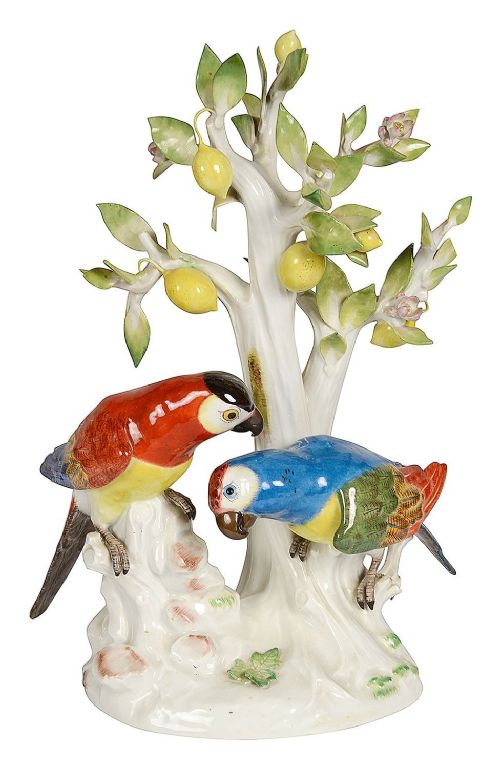
Meissen figures often bear the factory's crossed swords mark painted under the glaze, though the style of the mark varies by period. The modeling reflects skilled European sculptural traditions from the eighteenth century onward.
Subjects range from allegorical series and street traders to birds and animals. Examining the crispness of the moulding and the quality of the enamel painting helps verify the piece.