




Porcelain Dog Sculpture Ornament
A porcelain dog sculpture ornament brings character and history into a room, capturing canine forms through centuries of varied ceramic artistry.
Porcelain Dog Sculpture Ornament
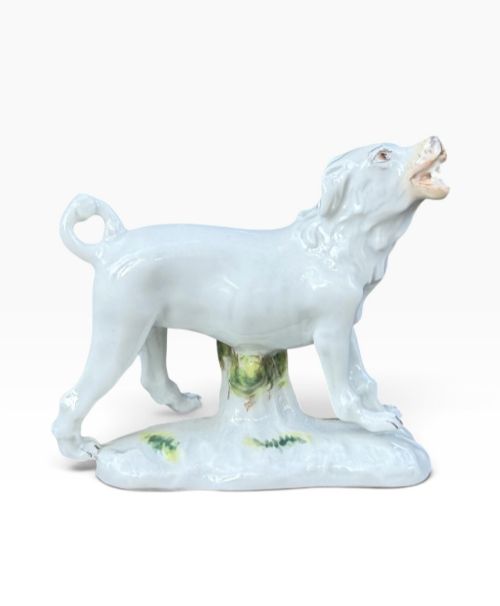
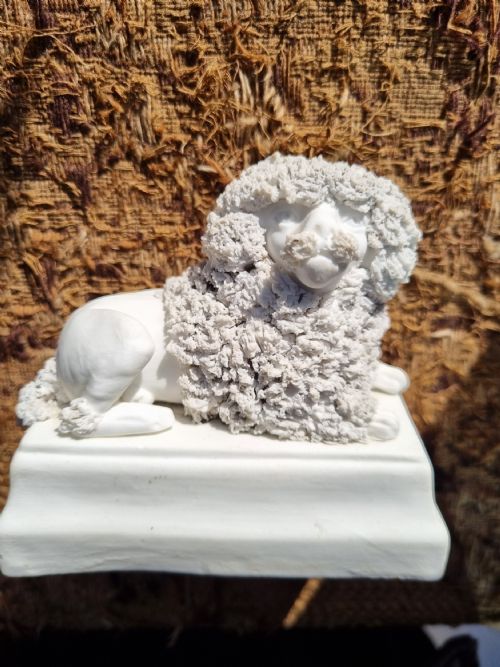
A porcelain dog sculpture ornament encompasses a wide range of canine representations, from functional Staffordshire poodles to delicate Japanese Hirado puppies. These pieces appear in forms such as individual decorative figurines, large hound groups, and mythological beasts like the Shishi.
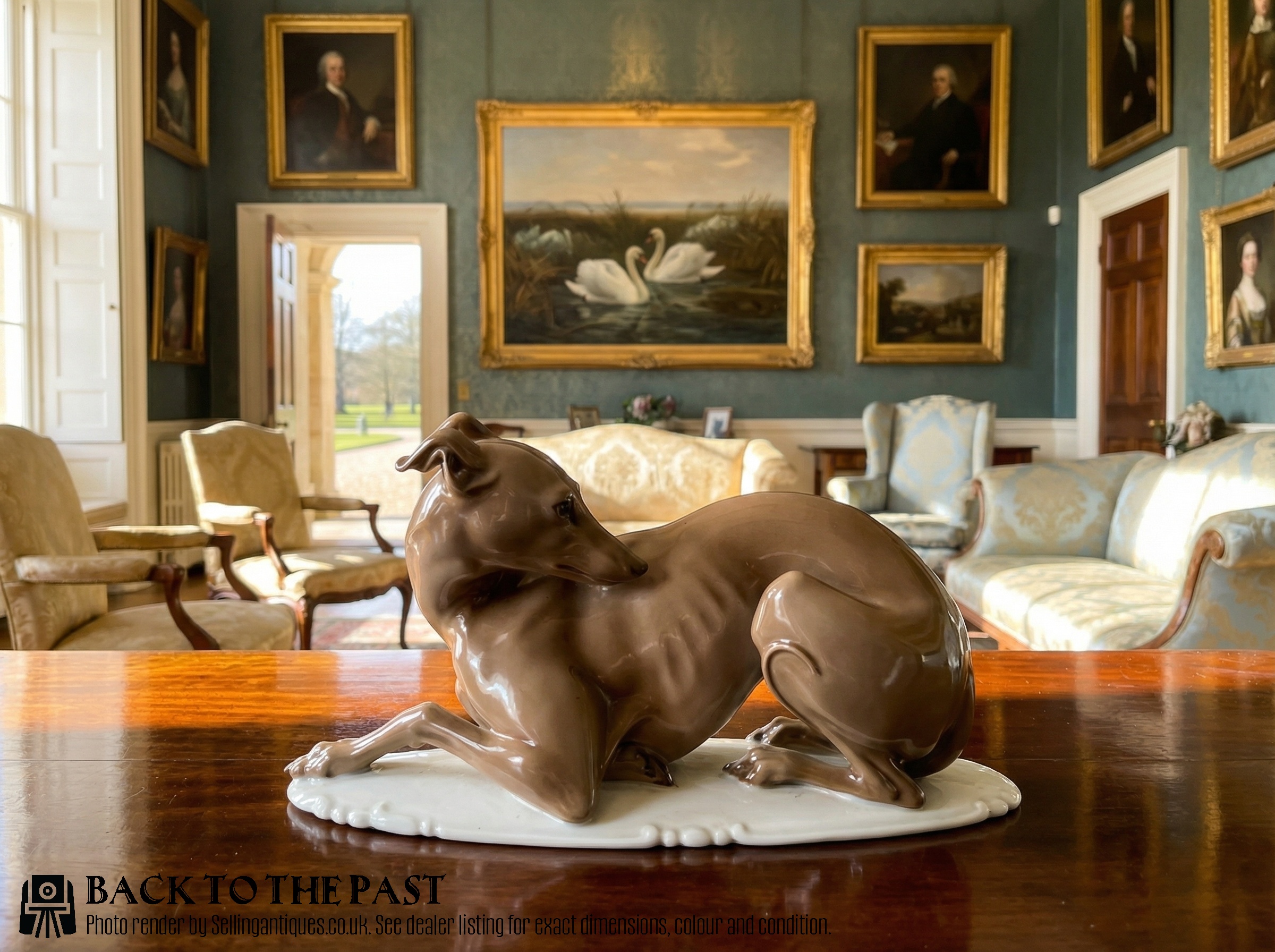
The selections span distinct historical eras, including Victorian Staffordshire pottery, Edwardian Royal Dux figures, and mid-century Rosenthal greyhounds. Buyers frequently encounter nineteenth-century British models alongside Continental works and eighteenth-century Chinese export statues.
Objects range from white bisque pottery poodles to brightly enamelled Japanese Kutani models and glazed German porcelain hounds. Each piece reflects the specific aesthetic values and ceramic techniques of its origin, whether European factory production or Asian craftsmanship.
Materials and construction methods
Many figures utilise hard-paste or soft-paste porcelain, earthenware, and parian ware, shaped into detailed animal forms through moulding and hand-modelling. Biscuit porcelain offers an unglazed matte finish that highlights the sculptural musculature of hunting dogs and poodles.
Listings span periods from the eighteenth-century Qianlong era to mid-twentieth-century Rosenthal production, incorporating materials from lead glaze to biscuit porcelain.
Distinctions in craftsmanship and form
Quality rests upon the crispness of the modelling and the precision of the hand-painted enamel work on the surface. Finer examples display naturalistic canine anatomy and careful detailing in fur texture, whereas simpler earthenware versions rely on heavier glaze application.
The complexity of the composition also dictates distinction, separating single standing figures from large multi-figure groups or intricate models with game. Superior execution shows in the smooth integration of the animal form with its base and the careful management of the ceramic during kiln firing.
Meissen·Thomas Parr·Rosenthal·Royal Dux
The Porcelain Dog Sculpture Ornament Glossary
- Parian Ware
- A fine-grained, unglazed porcelain developed in the nineteenth century that resembles white marble. It was frequently utilised for classical busts and detailed animal sculptures.
- Biscuits
- Unfired or unglazed ceramic ware that has undergone its initial kiln firing. This porous white surface provides a matte texture suitable for detailed sculptural work.
- Staffordshire Pottery
- Earthenware and pottery produced in the Staffordshire region of England. Figures from this area often include poodles and greyhounds intended for mantelpiece display.
- Kutani
- Japanese porcelain and pottery characterised by colourful enamel decoration and pictorial designs. Models such as the Shishi stem from this distinct regional tradition.
- Enamel
- Opaque or transparent glass-like substance fused to the surface of ceramics through firing. It provides vibrant colour to eyes, collars, and decorative coats.
Porcelain Dog Sculpture Ornament: Frequently Asked Questions
How do I identify Victorian pieces?
Victorian pieces often include Staffordshire pottery poodles and greyhounds, frequently modelled with textured clay coats to simulate fur. They typically feature hand-painted details and reflect mid-nineteenth-century British domestic tastes.
Checking the base and the style of the glaze helps distinguish these earthen figures from later porcelain productions. The presence of modelled pups or accessories like baskets also points towards Victorian Staffordshire work.
What is parian ware?
Parian ware is an unglazed porcelain type that gained popularity in the nineteenth century for its smooth, matte finish. It was named for its resemblance to Parian marble from Greece.
Sculptors utilised this material to create detailed animal figures and classical models without relying on glossy surface glazes. The uniform white body allows fine anatomical details of hunting dogs to remain prominent.
Where were Royal Dux figures made?
Royal Dux figures originated from the Bohemian region, producing decorative ceramics during the late nineteenth and early twentieth centuries. Their output includes setters, greyhounds, and complex figural groups.
These pieces often combine naturalistic animal forms with characteristic Edwardian styling. They demonstrate the refined moulding techniques used in Central European factories of the era.