


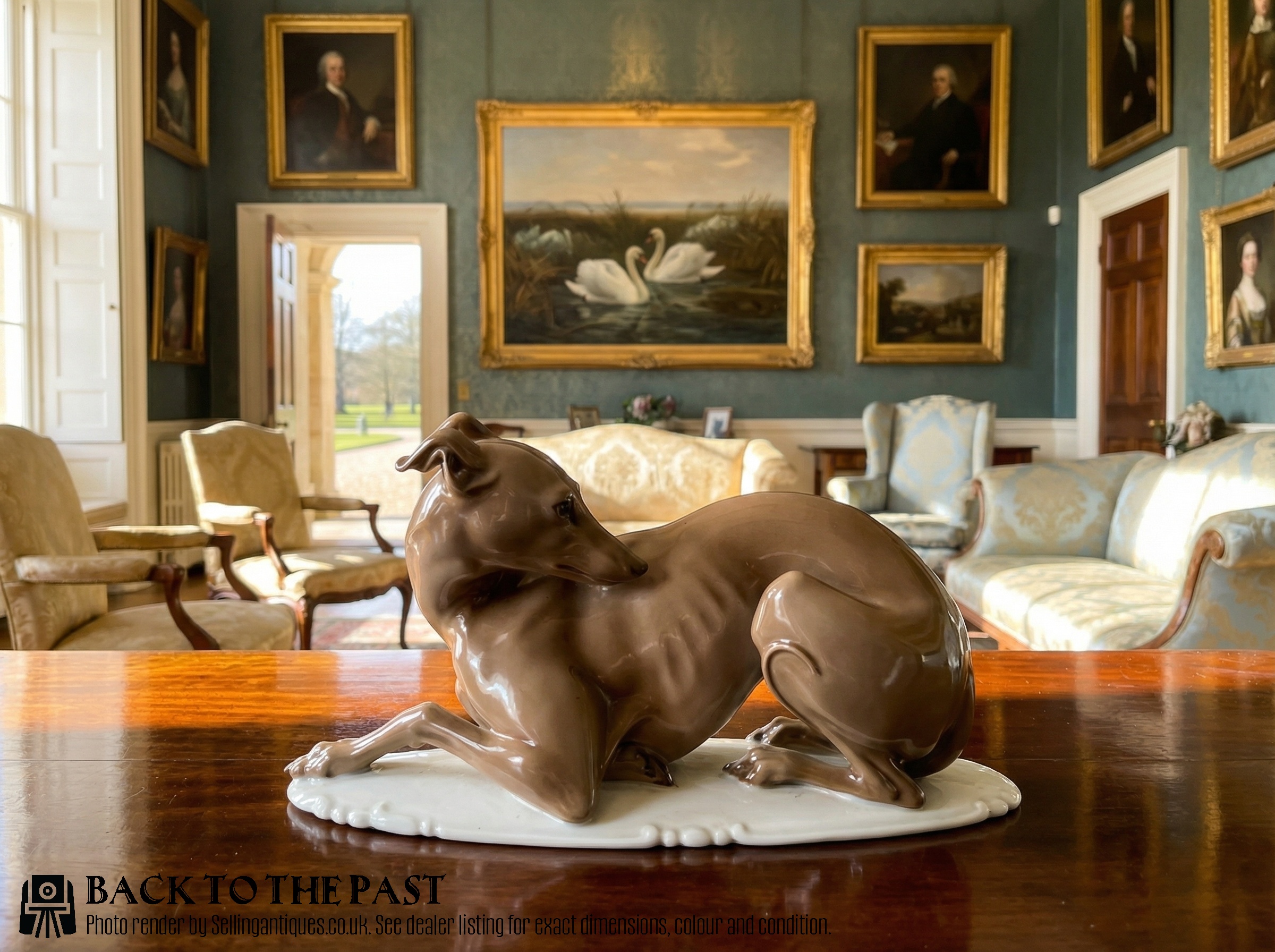
Brown Glazed Porcelain Figurine
These brown glazed porcelain figurine pieces bring character and charm to a room, offering sculptural detail and historical interest for collectors.
Brown Glazed Porcelain Figurine
A brown glazed porcelain figurine captures sculptural forms ranging from animals and mythological subjects to human figures. When searching for a brown glazed porcelain figurine, collectors encounter diverse expressions spanning the nineteenth century through the art deco era.
The current selection encompasses Victorian Staffordshire greyhounds, German decorative porcelain works, and art deco flapper girl hatpin holders. These objects serve decorative and functional purposes, appearing as candlesticks, hatpin holders, and standalone sculptures.
Materials and construction
Makers utilise traditional moulding techniques to achieve complex shapes such as seated classical maidens, foxes, and tigers. The application of the distinctive brown glaze provides a unified surface texture across the porcelain body.
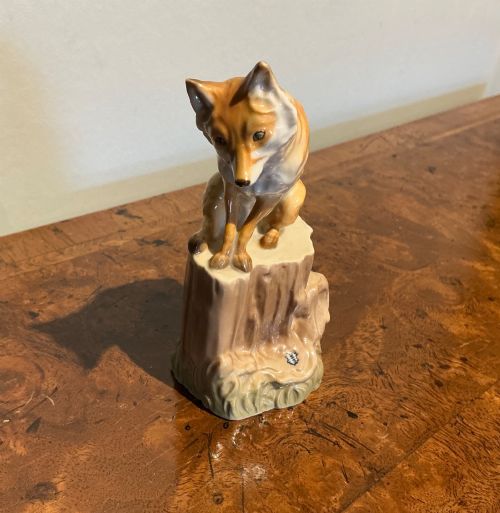
A porcelain fox wearing a sophisticated expression stands ready to illuminate a room when placed upon a candlestick.
Distinguishing quality in figures
The richness and evenness of the glaze separation distinguish finer factory output from standard commercial production. Preservation of original gilding and enamel highlights also elevates the standing of individual sculptures.
Nymphenburg·Rosenthal·Wedgwood Co. Ltd·Royal Worcester·Royal Dux·Volkstedt Triebner Ens Eckert·Royal Bayreuth
The Brown Glazed Porcelain Figurine Glossary
- Biscuit porcelain
- Unglazed porcelain fired once to a porous state, offering a matte finish that resembles marble. This material highlights fine sculptural details without the interference of a glossy surface.
- Glaze
- A glassy coating fused to the porcelain body during firing, providing colour, shine, and impermeability. The brown variations seen on these figures create distinct tonal depths across the moulded contours.
- Hatpin holder
- A hollow decorative receptacle designed to store long hatpins on a dressing table. These objects often take the form of miniature figures or decorative busts.
- Enamel
- Opaque vitreous colours painted onto the fired porcelain surface and fixed with a secondary low-temperature firing. Enamel decoration adds vibrant polychrome details to complement the dominant brown glaze.
- Prototypes
- Experimental pieces produced by factories to test new designs before commercial manufacture begins. These items frequently display unique colourways or modelling variations.
Brown Glazed Porcelain Figurine: Frequently Asked Questions
What periods do these figures come from?
The pieces span from the late nineteenth century through the art deco period of the 1930s. Victorian and Edwardian examples sit alongside later twentieth-century designs.
Production dates reflect shifts in European decorative tastes, moving from ornate classical subjects towards stylised modernist forms.
How were these decorative items used?
Many figures served purely decorative roles on mantelpieces and cabinets within period homes. Others combined decoration with utility, functioning as candlesticks or storage vessels for hatpins.
Sculptures depicting animals and human figures provided focal points for interior displays in both modest and grand households.
How do I care for glazed porcelain?
Dust the surfaces gently with a soft dry cloth to prevent the accumulation of dirt within the modelled crevices. Avoid using abrasive cleaning agents that could damage delicate enamel painted details or gilding.
Keep pieces away from direct sunlight and areas subject to sudden temperature fluctuations to protect the ceramic body and glaze.
How can I tell different styles apart?
Victorian pieces tend to feature heavy moulding and classical or animal subjects with realistic proportions. Art deco examples introduce geometric simplification and stylised human figures.
Examination of the base markings, glaze consistency, and colour palette helps distinguish between nineteenth-century production and later twentieth-century manufacturing.