



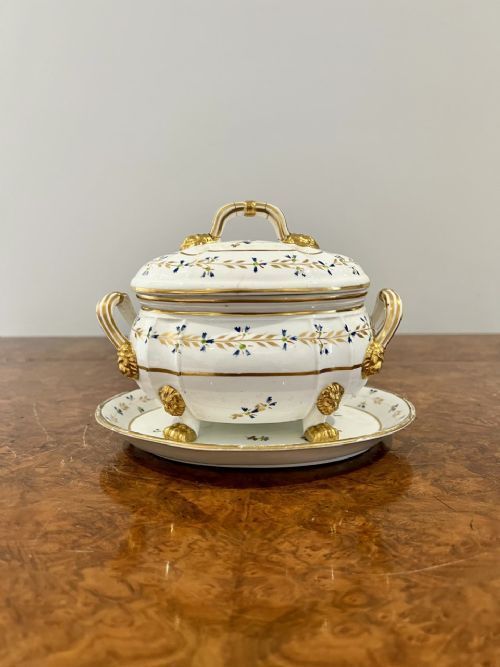


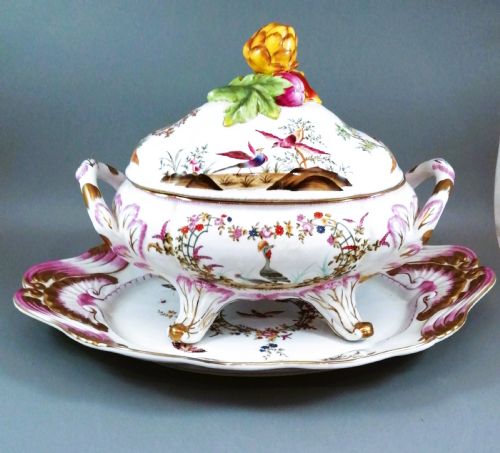

Porcelain Cover and Stand
These porcelain cover and stand sets bring together lidded vessels and fitted bases, offering a functional and decorative tradition spanning the Georgian, Regency, and Victorian periods.
Porcelain Cover and Stand
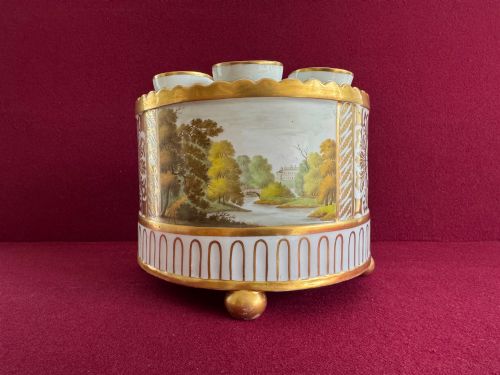
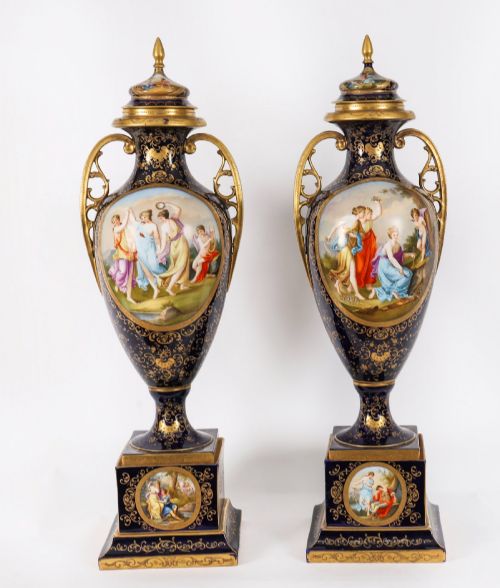
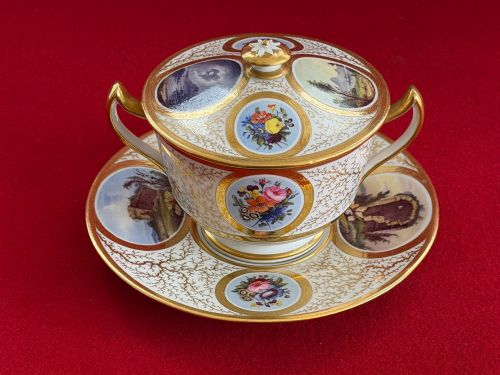
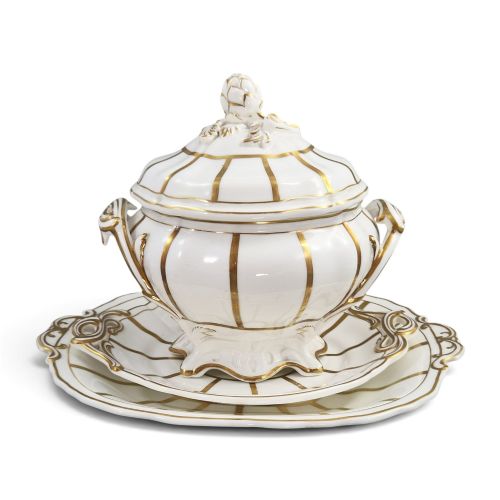
A porcelain cover and stand comprises a primary vessel, its matching lid, and a dedicated base or undertray designed as a singular cohesive grouping. Collectors searching this phrase encounter diverse forms ranging from chocolate cups and bough pots to substantial soup tureens and sauce sets.
The objects span multiple nineteenth-century aesthetic movements, including Regency, Rococo Revival, and Japanese Imari. English factories like Worcester, Derby, and Copeland feature prominently alongside continental and Chinese export productions.
Vessels are frequently utilised for serving table delicacies or displaying floral arrangements. The inclusion of an original stand protects fine surfaces while completing the compositional balance of the ceramic ensemble.
Judging Quality and Execution
The refinement of the ceramic body and the precision of the moulding determine the baseline excellence of any piece. Finer examples display crisp relief modelling and thin, even walls that show superior material preparation.
Artistic execution on the surface elevates a piece through meticulous hand-painted enamel work and generous gilding. The harmony between the vessel, its cover, and the matching stand indicates the original integrity of the set.
Porcelain Cover and Stand Retail Price Guide 2026
Typical asking prices for porcelain cover and stand among the pieces listed under this phrase on Sellingantiques today, from the lower quarter to the upper quarter. They describe what is for sale here now, not the wider market.
Listings feature items from the 1800s through the Victorian era, utilising bone china, ironstone, and traditional porcelain decorated with cobalt underglaze and gold leaf.
Flight, Barr and Barr·Royal Vienna·Grainger's Worcester·Davenport·Coalport·Mintons·Kusnetzoff·Copeland·Old Derby
The Porcelain Cover and Stand Glossary
- Stand
- A fitted base, dish, or undertray designed to support a specific vessel. It catches drips and completes the display.
- Bough pot
- A decorative ceramic vessel designed to hold cut flowering branches. These pieces typically feature pierced or fitted covers.
- Chocolate cup
- A small two-handled vessel used for drinking hot chocolate. They are frequently accompanied by a matching cover and stand.
- Bone china
- A type of porcelain incorporating bone ash. This composition produces a durable, slightly translucent white body.
- Cobalt underglaze
- A blue pigment applied to pottery before glazing and firing. The high temperatures fuse the colour permanently into the ceramic.
Porcelain Cover and Stand: Frequently Asked Questions
How were these pieces used?
Many sets served specialised culinary functions at the dining table, such as holding soups, sauces, butter, or chocolate. Other forms, like bough pots, were utilised in domestic interiors for floral displays.
The matching stand served a practical purpose by protecting polished wooden tabletops from heat and moisture. It also added visual height and stability to the presentation.
How do I date a porcelain set?
Dating relies upon factory marks, stylistic indicators, and the composition of the ceramic body. Pieces from the Georgian and Regency eras often display hand-painted patterns and neo-classical forms, while Victorian pieces incorporate heavier ironstone or distinct factory numbers.
Comparing the glaze texture and gilding style against documented factory production periods helps narrow down the decade of manufacture. Reference guides on nineteenth-century marks provide specific attribution details.
How should I display them?
These sets are best displayed on secure, flat surfaces where all three components can be viewed together. Keeping the lid and stand paired with the main vessel maintains historical context and visual proportion.
Placement away from direct sunlight preserves the hand-painted enamels and gold leaf highlights. Stable shelving ensures the elevated stands and covers remain secure.