
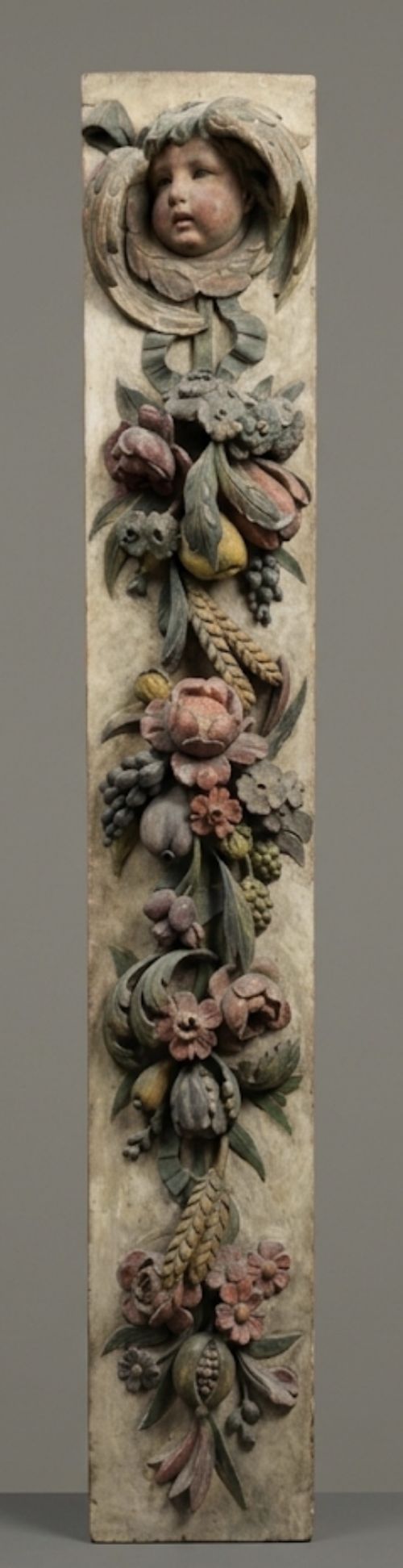


Polychrome Wood Wall Relief
A polychrome wood wall relief brings warmth, texture, and deep colour to an interior through layered carving and pigment.
Polychrome Wood Wall Relief
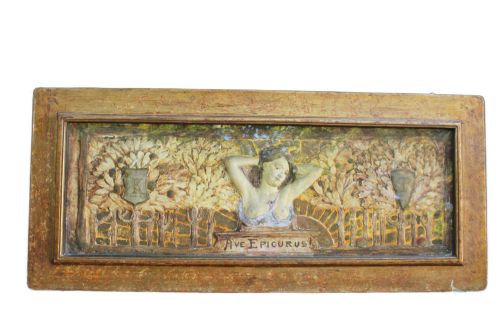
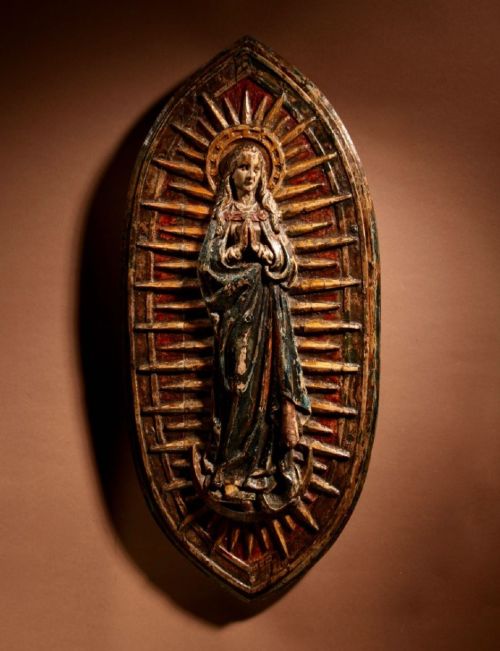
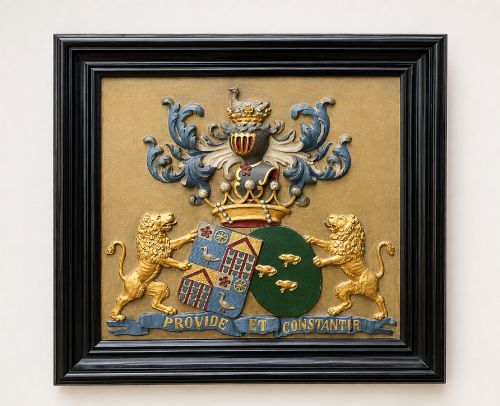
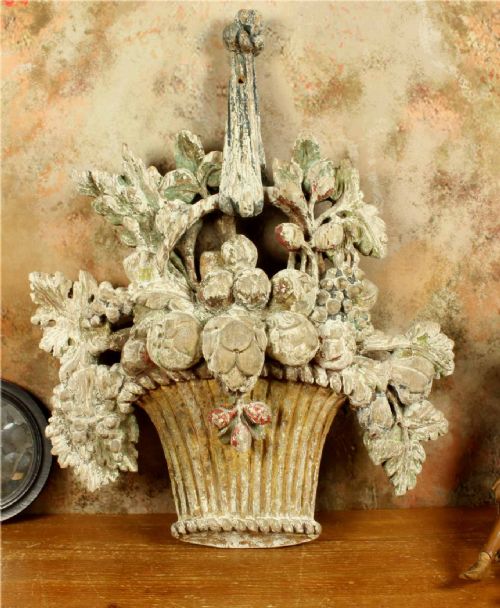
When you search for a polychrome wood wall relief, you encounter carved wooden panels, plaques, and sculptural elements enriched with pigment, gesso, or gold leaf. The pieces span several centuries and geographic traditions, ranging from European folk art and heraldic marriage plaques to intricate Qing Dynasty panels and African tribal carvings.
The versions most commonly met on this page include 18th-century carved wooden panels, 19th-century decorative wall plaques, and Chinese carved wood panels from around the mid-19th century. These objects function primarily as architectural fragments, devotional panels, or decorative wall art designed to command a focal point.
Makers and origins vary widely, from British Arts & Crafts workshops to Dutch households and Italian Baroque studios. The surviving examples demonstrate how woodcarving traditions adapted to local domestic, religious, and decorative functions across different periods.
How They Were Made
The construction of a polychrome wood wall relief relies on solid timber substrates, predominantly oak or softwoods, shaped through hand-carving and jigsaw woodwork. Artisans removed material to create varying depths of relief, from shallow background incisions to near-three-dimensional sculptural figures.
Surface decoration involved applying gesso to smooth the wood grain before adding polychrome pigment, paint, or gold leaf. This combination of carved wood and layered colour allowed makers to achieve durable, vibrant surfaces that highlighted figurative details, heraldic crests, and floral motifs.
Listings for a polychrome wood wall relief span the 16th to the 20th centuries, incorporating materials such as gesso, gold leaf, and polychrome pigment.
What Varies in Quality
The survival and application of the original polychrome pigment and gold leaf determine the visual impact of the piece. Integrated pigment that retains its historic character without heavy modern repainting elevates the authenticity and aesthetic harmony of the work.
The Polychrome Wood Wall Relief Glossary
- Polychrome
- The practice of decorating architectural elements, sculptures, or wood panels in a variety of painted colours. This finish adds visual depth and highlights specific carved details.
- Relief
- A sculptural technique where figures or designs project from a flat background. The depth of this projection dictates whether the work is classified as low relief or high relief.
- Gesso
- A plaster-like mixture applied to wood surfaces to prepare them for painting or gilding. It provides a smooth, stable ground for polychrome pigments and gold leaf.
- Heraldic
- Relating to coats of arms and genealogical emblems. Heraldic plaques record family alliances, marriages, and lineage through specific symbolic imagery.
- Gilt
- Covered thinly with gold leaf or gold paint. Gilding was frequently applied to wooden carvings to catch the light and signify importance.
Polychrome Wood Wall Relief: Frequently Asked Questions
How do I hang a heavy wooden wall relief safely?
Heavy carved wood panels require secure wall anchor points matched to the weight of the timber and the plaster behind it. Use heavy-duty picture wire or flush-mounting brackets fixed directly into structural studs.
Ensure the hanging hardware engages firmly with the back of the panel without straining historic joints or delicate decorative mouldings.
How should I clean painted and carved wood?
Dust polychrome and carved surfaces gently with a soft, dry brush to prevent dirt from settling into the crevices of the wood. Avoid liquid cleaners, household polishes, or damp cloths, as moisture can lift fragile historic pigments and gesso layers.
If deeper cleaning is required, consult a professional conservator to preserve the original paint surface.
How do I tell an 18th-century panel from a 19th-century copy?
Examine the tool marks left on the reverse and edges of the wood, as hand-chiselling techniques changed as mechanical saws became common in the 19th century. Tool marks on older pieces tend to show irregular, hand-wrought patterns.
The ageing of the wood, shrinkage cracks, and the physical wear on the polychrome pigment also provide reliable indicators of age.