
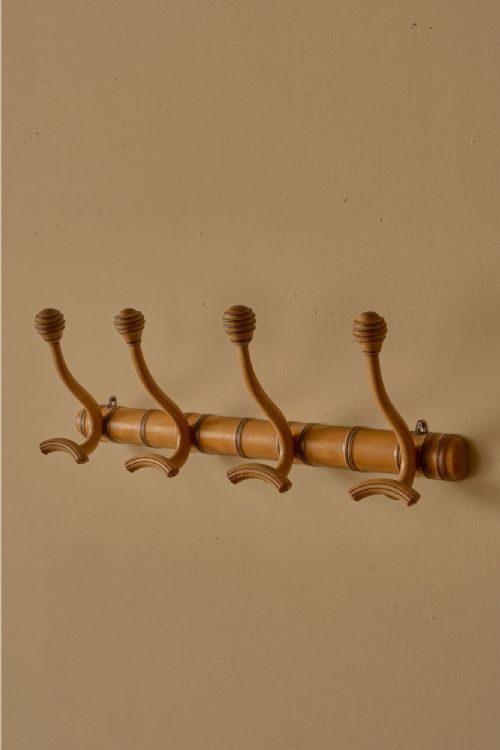
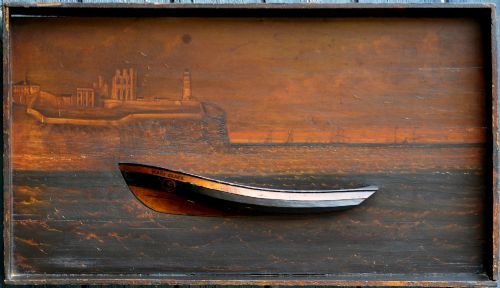
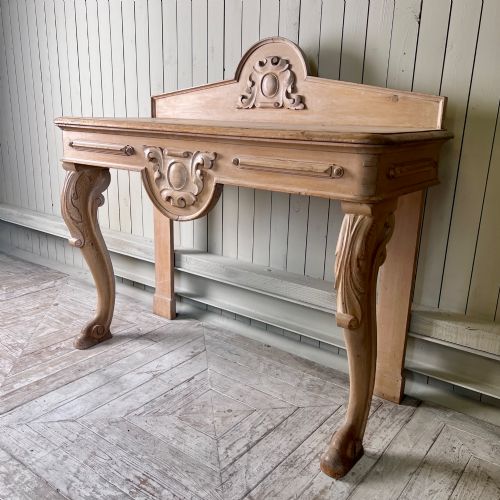
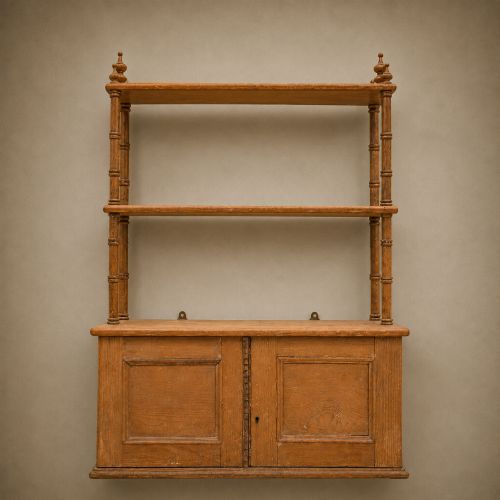


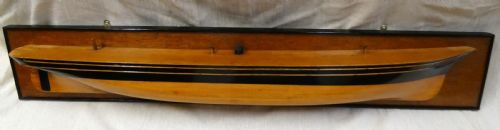
Carved Pine Wall Carving
These carved pine wall carvings range from Georgian architectural salvage to rustic folk art reliefs, offering warmth and texture for interior walls.
Carved Pine Wall Carving
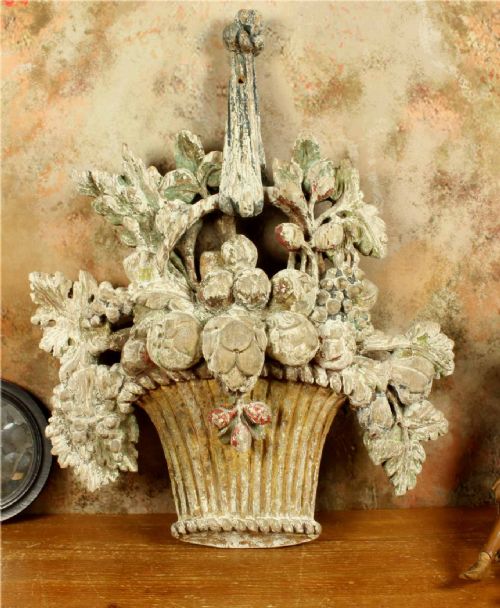
A carved pine wall carving brings three-dimensional timber ornament directly into domestic interiors, spanning functional items like plate racks and decorative panels.
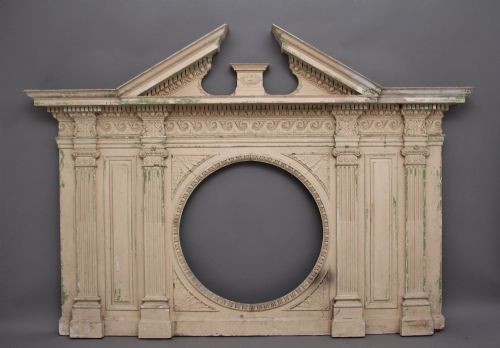
Buyers encountering this selection will frequently meet architectural salvage, wall mirrors, and church tracery panels originating from the eighteenth and nineteenth centuries.
The objects combine utility with hand-chiselled decoration, serving as focal points in kitchens, hallways, and living spaces.
How they were made
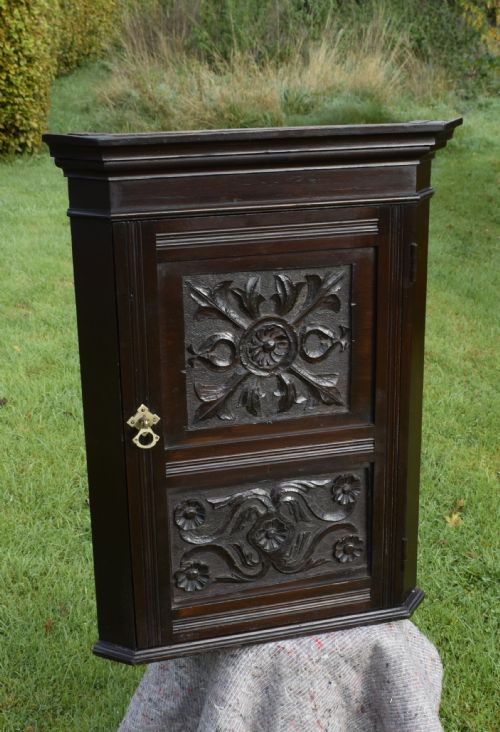
The pieces rely primarily on solid pine, shaped with hand-chisels and gouges to produce deep relief panels, architectural corbels, and detailed church tracery.
Many examples incorporate applied paint, polychrome pigments, or gesso surfaces over the timber substrate, adding colour and protective layers to the hand-carved details.
Listings span the eighteenth, nineteenth, and early twentieth centuries, featuring pine, gesso, and polychrome paint across functional and decorative forms.
What varies in quality
Depth of chisel work and sharpness of detail separate standard utility items from sculptural masterworks, where deep undercut foliage and figures reveal superior hand control.
The preservation of original surface treatments, such as early paint layers or gilt finishes, strongly influences the character and integrity of each piece.
The Carved Pine Wall Carving Glossary
- Tracery
- Openwork stonework or timber patterns, commonly found in Gothic revival panels and church screens. It creates complex geometric designs across the surface.
- Corbel
- A structural bracket projecting from a wall to support a weight, frequently carved from pine with scroll or foliage motifs.
- Gesso
- A plaster mix applied to wood surfaces as a smooth base for gilding or paint. It provides a crisp ground for fine decorative details.
- Delft rack
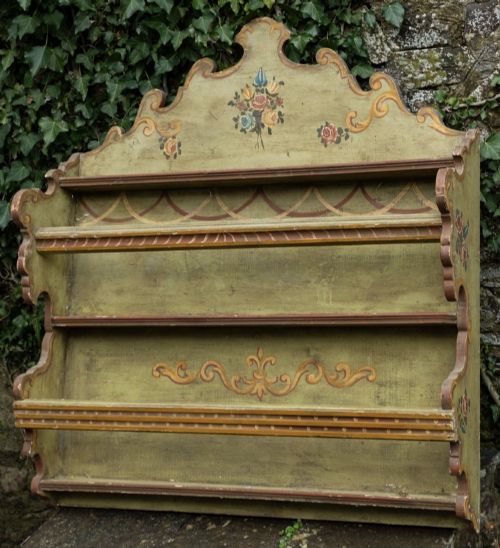
- A wall-mounted wooden shelving unit designed to display plates and earthenware. These often feature shaped fretwork and plate grooves.
- Overmantel
- A large decorative panel, mirror, or frame fitted directly above a fireplace mantel. It anchors the chimney breast visually.
Carved Pine Wall Carving: Frequently Asked Questions
How do I hang a heavy carved pine wall panel safely?
Heavy carved pine panels require secure wall anchoring, typically using heavy-duty metal brackets or French cleats screwed directly into wall studs.
Because the timber is dense and substantial, professional installation ensures the weight distributes evenly without damaging the antique wood.
What is the difference between Georgian and Victorian wall carvings?
Georgian pine carvings lean towards classical Neoclassical symmetry, featuring restrained architectural proportions, dentils, and clean lines.
Victorian pieces often embrace Gothic Revival complexity, heavier proportions, and elaborate ecclesiastical details such as church tracery.
How should I clean a painted pine carving?
Painted pine surfaces require gentle dusting with a dry microfibre cloth to remove surface dirt without disturbing fragile or flaking pigment.
Avoid liquid cleaners, chemical solvents, or excessive rubbing, as older paint layers can be soft and easily damaged.
Can I use an antique pine plate rack in a modern kitchen?
Antique pine plate racks fit well in modern kitchens, offering practical open storage for ceramic tableware and adding historic texture.
Checking the depth of the plate grooves ensures your specific dinnerware sits securely at the correct angle.