
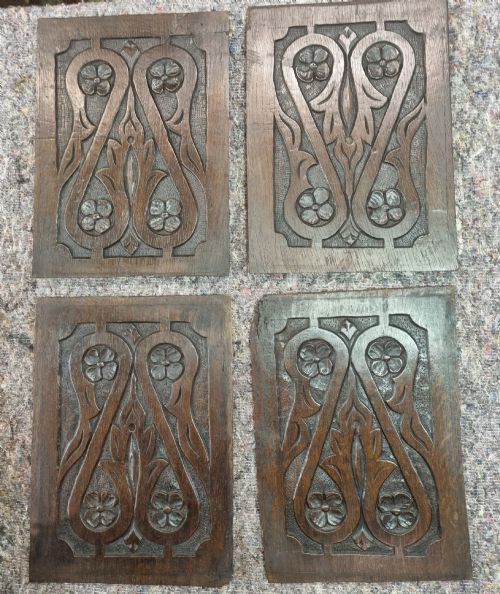
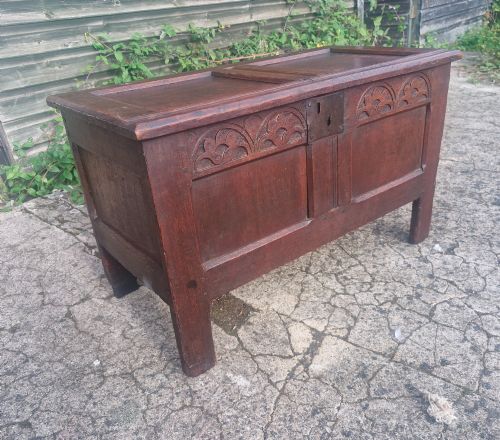
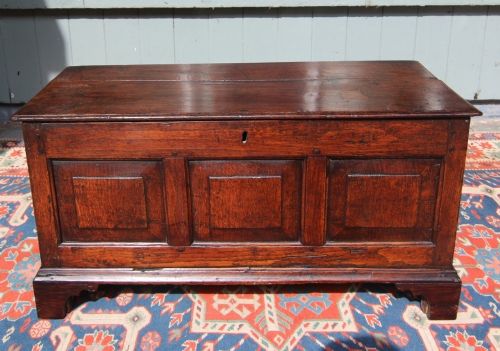
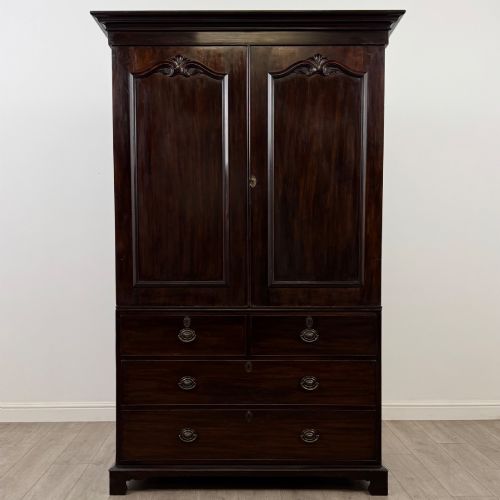


Georgian Carved Wooden Panel
These pieces known as a georgian carved wooden panel bring historic domestic timberwork into a modern interior.
Georgian Carved Wooden Panel
A georgian carved wooden panel typically originates from domestic architectural settings or furniture components dating across the eighteenth and nineteenth centuries. Buyers searching for a georgian carved wooden panel encounter architectural salvage pieces including ceiling boss panels, pierced leaf carvings, floral wall reliefs and painted overdoor elements.
How they were made
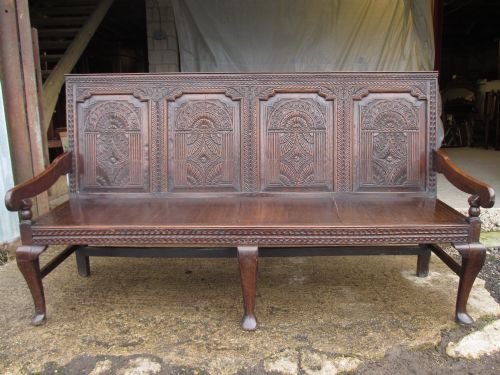
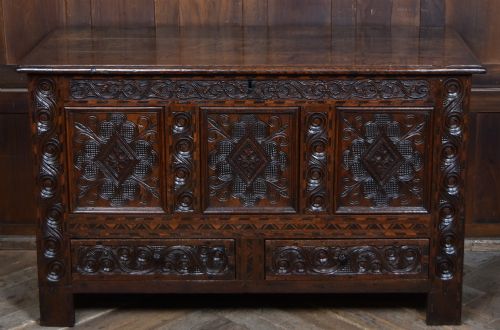
Carvers shaped these components from solid timbers like oak, elm and limewood using hand chisels and gouges to achieve low and high relief decoration. Surfaces often received polychrome paint, gesso preparation or plain wax finishes depending on whether the element belonged to interior wall panelling or furniture.
Joinery and structural integrity relied on pegged mortise and tenon construction for larger panels, whilst smaller decorative reliefs were carved directly from seasoned blocks of timber.
Some oak ceiling bosses retain tiny traces of medieval green paint tucked deep inside the carved leaf crevices.
What varies in quality
Depth and crispness of the hand-carved detail dictate the distinction between ordinary architectural fragments and superior decorative works. Competent tool control and botanical accuracy in floral motifs or figural depiction elevate certain panels above standard vernacular production.
The preservation of original surface treatments, such as early polychrome pigment or untouched historic patina on oak and limewood, significantly influences the standing of a panel.
M. D. Miller & Sons
The Georgian Carved Wooden Panel Glossary
- Ceiling boss
- A projecting ornamental block situated at the intersection of ceiling ribs or beams. Often heavily carved with foliage or geometric motifs.
- Polychrome
- The practice of decorating architectural elements and wood carvings in multiple colours. Surviving pigment adds considerable interest to older panels.
- Gesso
- A plaster-like mixture applied to wood surfaces to prepare them for gilding or painting. It provides a smooth base for delicate relief work.
- Vernacular
- Architecture or furniture built by local craftsmen using traditional regional methods and local materials rather than high architectural designs.
Georgian Carved Wooden Panel: Frequently Asked Questions
Where were these panels originally placed?
These decorative fragments typically functioned as ceiling bosses, overdoor inserts or wall plaques within substantial domestic and ecclesiastical interiors. They formed an integral part of the room's overarching architectural scheme.
Over subsequent centuries, many such elements were salvaged during building alterations and removed from their original architectural context to be displayed independently as wall art.
How should a wooden panel be cleaned?
Dusting gently with a dry, soft brush is the safest method to maintain the carved surface without disturbing historic finishes or accumulated patina. Avoid modern liquid cleaners or harsh polishing compounds.
Applying a light microcrystalline wax occasionally helps nourish older oak or limewood surfaces if the timber appears dry, though original paint or gesso should be treated with extreme caution.
How can I tell the age of the timber?
Examining the rear surface for tool marks left by pit saws or hand adzes helps determine the period of manufacture. Hand-rived oak displays distinct irregular textures quite different from modern machine-sawn boards.
Wear patterns, the presence of old peg holes and the natural oxidation of exposed timber over centuries provide further physical indicators of age.
Can these panels be mounted on modern walls?
Most panels feature sufficient thickness to support discreet hanging brackets fixed securely into the structural timber of the piece. Professional framing or mounting ensures the weight is evenly distributed.
Placement should avoid direct sunlight and fluctuating humidity sources such as radiators to prevent the dry timber or old gesso from cracking.