


Polychrome Wood Figures
Polychrome wood figures bring centuries of carved craft and pigment into a room, offering rich texture and historical presence.
Polychrome Wood Figures
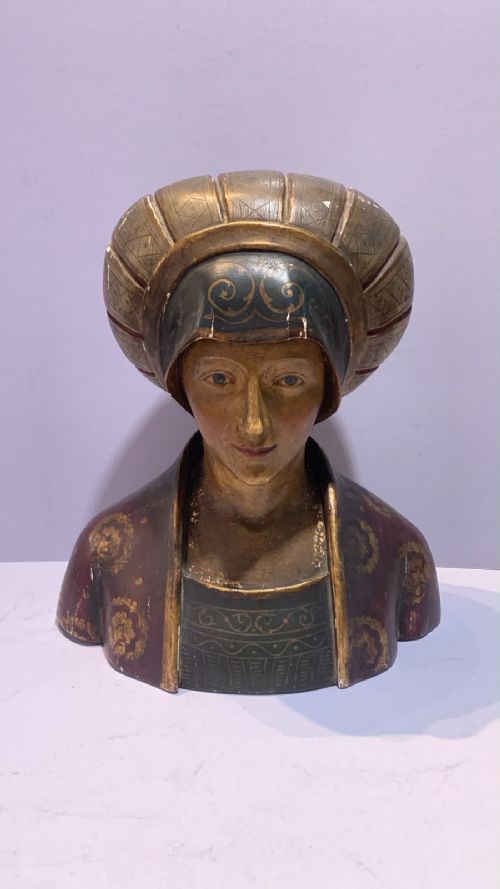
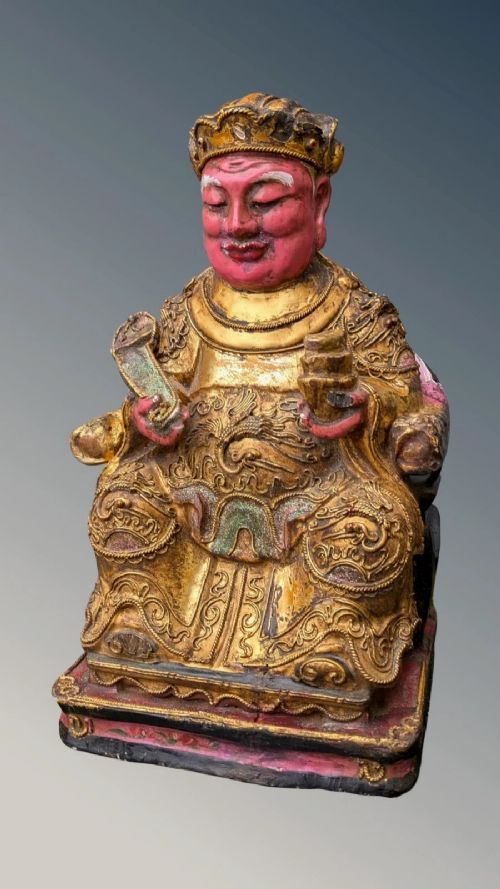
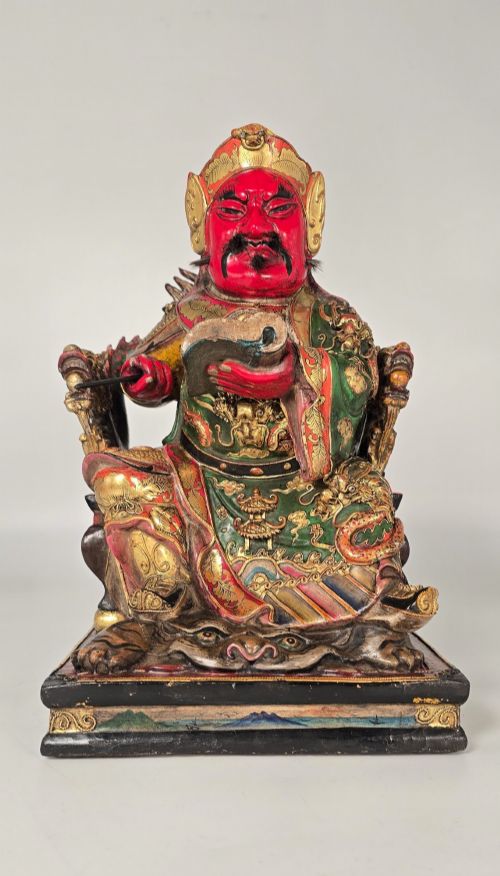
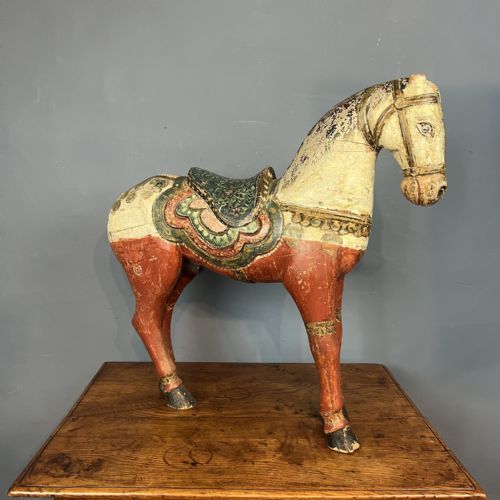
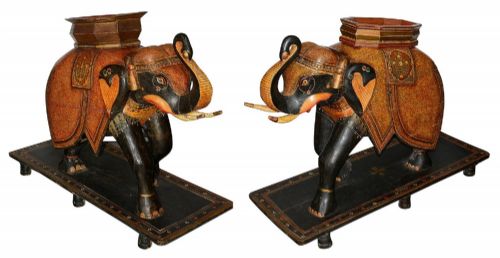
Polychrome wood figures encompass hand-carved sculptures finished with paint, lacquer, gesso, or gold leaf across various global traditions. Buyers seeking these works encounter everything from small folk art toys and trade signs to large religious statues and temple guardians.
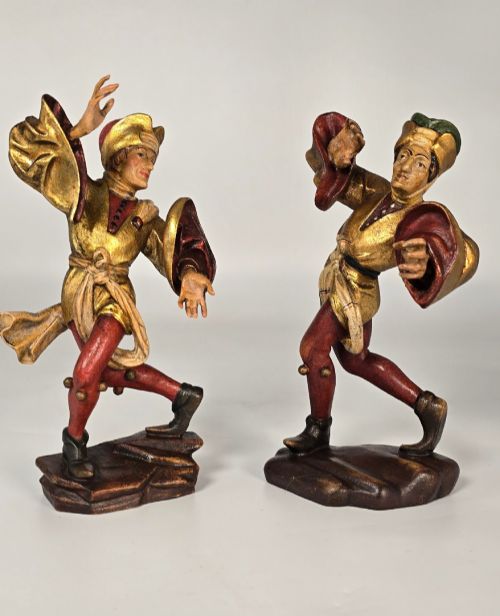
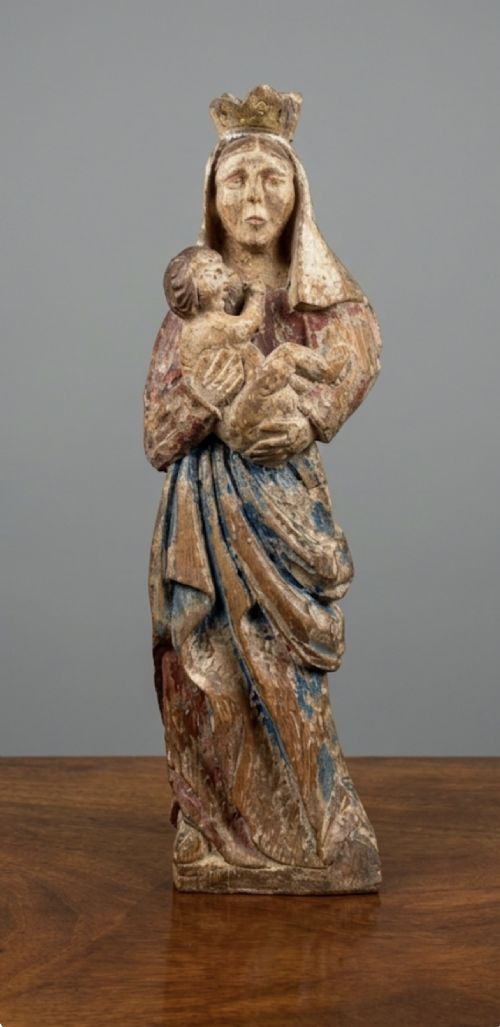
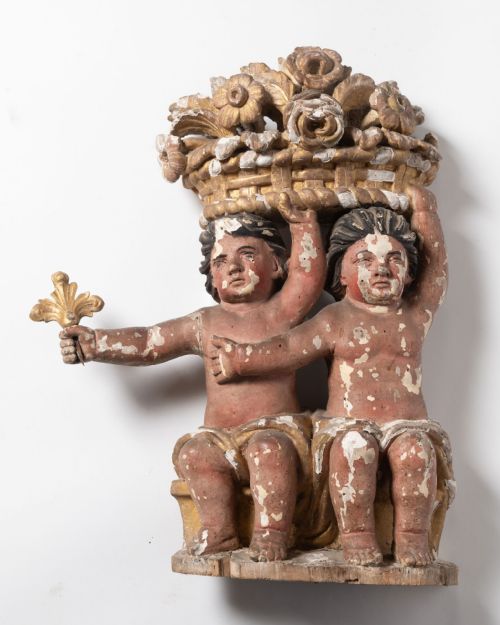
The selections range widely in origin and period, spanning European church carvings and Black Forest limewood jesters alongside Chinese temple figures and Indian deities. Pieces from the sixteenth to the nineteenth century dominate the available forms, reflecting centuries of devotional and decorative artistry.
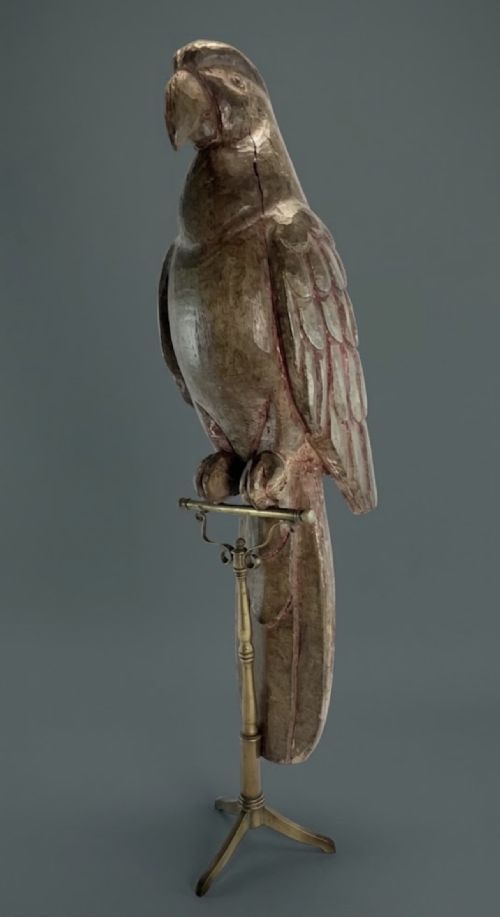
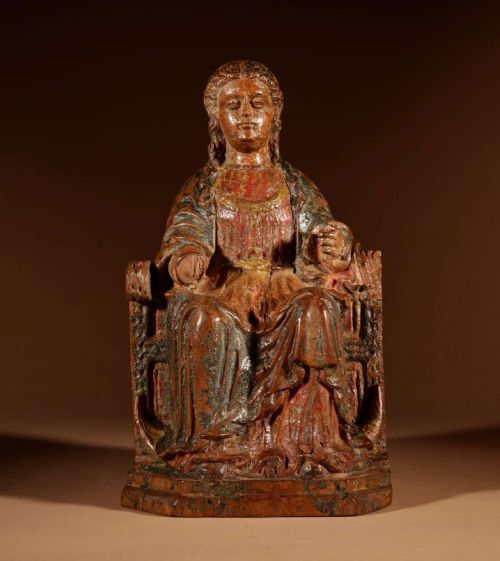
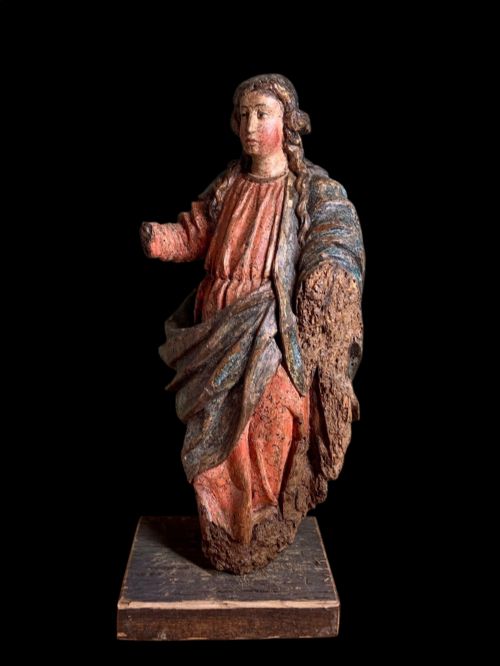
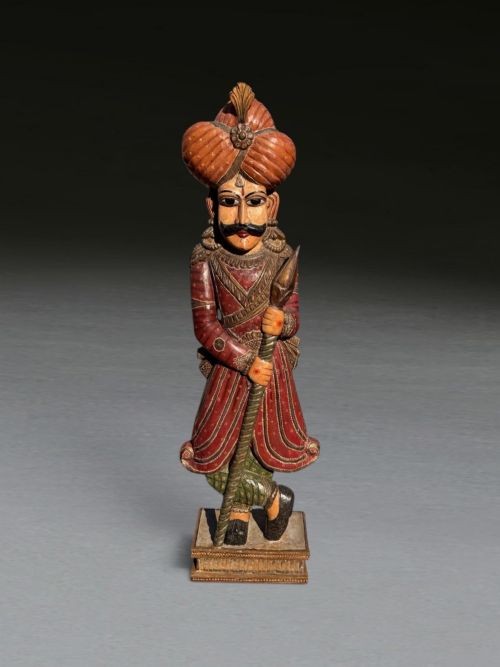
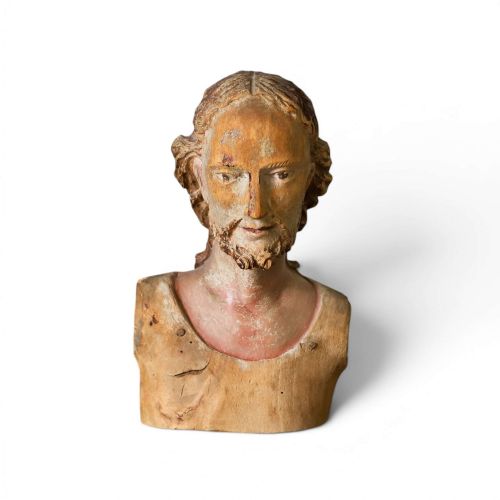
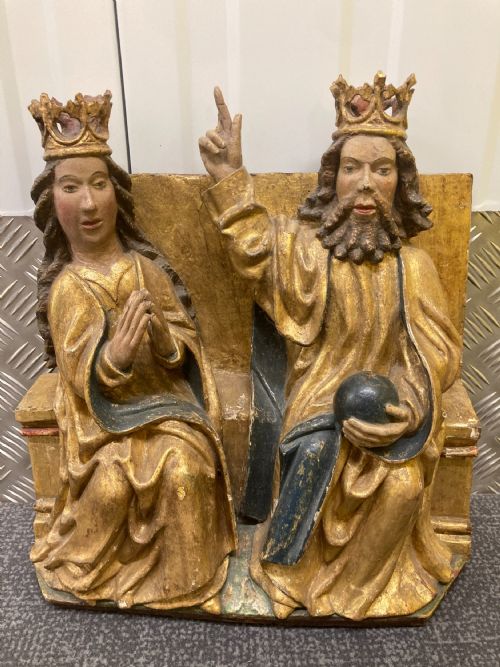
Religious subjects such as saints, angels, and madonnas sit alongside secular figures like nobility, soldiers, and animals. Each piece demonstrates how carvers combined timber with surface colour to create lifelike or symbolic representations.
Materials and Techniques
Carvers shaped these figures from solid timber foundations including walnut, oak, olive wood, limewood, and pine. Artisans then applied preparatory layers of gesso to smooth the grain before painting, lacquering, or gilding the surface.
Sculptures range from European religious saints and Baroque angels to Chinese temple guardians and folk art animals.
Assessing Quality and Execution
Quality rests upon the sculptural skill evident in the carving of anatomy, drapery, and expression, separating proficient workshop production from routine trade output. Crisp chisel work and proportional harmony distinguish finer historical examples.
The integrity of the original surface finish heavily influences a piece's standing. Sculptures retaining their initial polychrome paint, lacquer, or gilding demonstrate greater artistic authenticity than heavily restored or later repainted surfaces.
Ralph Wood·H.S Andy Anderson
The Polychrome Wood Figures Glossary
- Polychrome
- Decorated in multiple colours. This term describes sculpture and woodwork finished with varied painted pigments.
- Gesso
- A plaster mix used as a base. Artisans applied it to wood to create a smooth surface for gilding and paint.
- Giltwood
- Wood covered with thin gold leaf. This technique added reflective brilliance to religious and decorative carvings.
- Capipote
- A devotional mannequin figure with a carved head and hands attached to a framework. Spanish workshops produced these for religious processions.
- Lacquer
- A clear or coloured varnish applied in thin coats. It provides a hard, durable, and glossy finish on Asian woodwork.
Polychrome Wood Figures: Frequently Asked Questions
What are polychrome wood figures?
These works are three-dimensional carvings shaped from timber and finished with painted pigments, gesso, or gold leaf. They encompass devotional statues, temple guardians, folk art, and decorative figures produced across global traditions.
Craftsmen across different centuries utilised local woods and applied surface decoration to give their subjects lifelike character and rich visual depth.
How were these figures used originally?
Many European and Asian examples served religious or devotional functions within churches, temples, and domestic shrines. They were placed on altars or carried in processions to inspire reverence.
Other pieces fulfilled secular roles, functioning as trade signs for shops, carousel animals, or decorative ornaments in elite interiors.
How should I live with these sculptures?
Place figures away from direct sunlight and sudden temperature fluctuations to protect the aged wood and delicate painted surfaces. Stable indoor conditions prevent the timber from warping and the gesso from cracking.
Display them on sturdy surfaces or dedicated stands where their detailed carving and historical presence can be appreciated up close.
How do I tell different periods apart?
Stylistic details, such as the flowing drapery of Renaissance figures or the ornate motifs of Baroque and Qing dynasty works, offer primary clues to a piece's age. Examining the tool marks, timber type, and composition of the gesso layer also aids dating.
Earlier pre-sixteenth century church figures often display heavier ecclesiastical styling, whereas nineteenth-century pieces frequently embrace folk art traditions or grand tour aesthetics.