




Polychrome Porcelain Temple Jars
These polychrome porcelain temple jars combine vibrant enamel palettes and intricate hand-painted detail, offering striking decorative presence for any interior.
Polychrome Porcelain Temple Jars
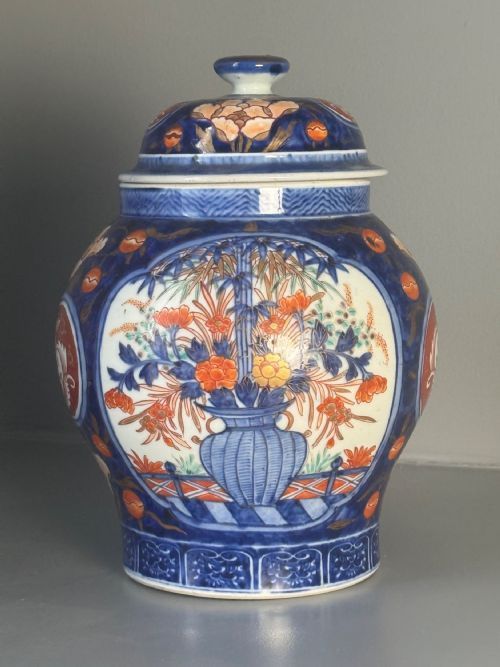
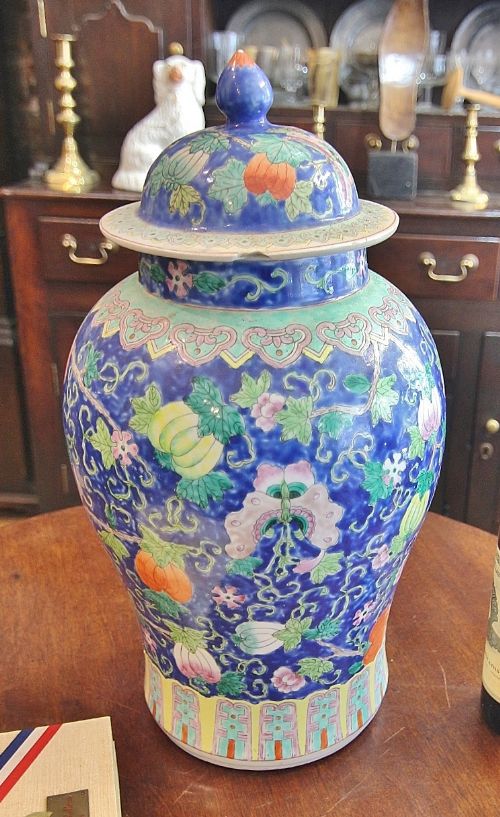
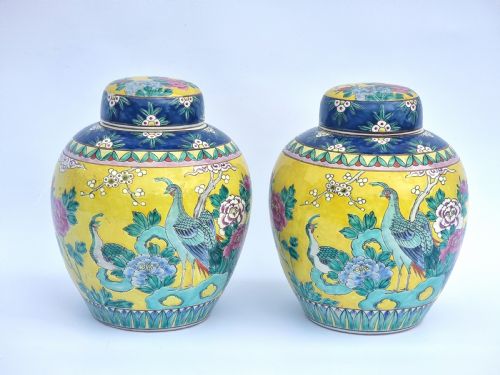
When you search for polychrome porcelain temple jars, you encounter a diverse range of large lidded vessels, baluster vases, and ginger jars originating from both Chinese and Japanese traditions. The selection spans centuries of craftsmanship, featuring notable styles such as Qing Dynasty exports, Japanese Imari, Satsuma, and Kutani wares.
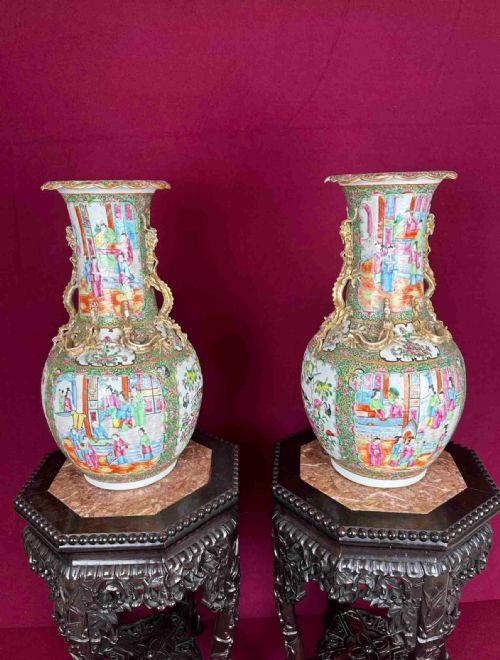
Most pieces date from the nineteenth century onward, including Victorian era interpretations and twentieth century productions. Forms range from monumental floor vases and covered jars to pairs adapted as table lamps or displayed alongside occasional tables.
The aesthetic centres on colourful enamel decoration, frequently incorporating figures, landscapes, and intricate floral motifs. These vessels served historically for display and storage, retaining their architectural scale and vibrant visual impact in modern settings.
Evaluating Quality and Execution
The distinction between standard commercial pieces and finer examples rests upon the precision and complexity of the hand-painted brushwork. Superior items display meticulous detail in facial expressions, garments, and botanical elements without hurried execution.
The depth and richness of the enamel palette, alongside the refined application of gold leaf or gilding, elevate the visual harmony of the piece. Well-preserved surfaces retain their original gloss and colour brilliance across the entire body and cover.
Several jars have spent their retirement moonlighting as makeshift hat stands in eccentric Victorian hallways.
Yamashu
The Polychrome Porcelain Temple Jars Glossary
- Polychrome
- Decoration executed in multiple colours, typically utilising various enamel pigments painted over or under the glaze. This multicoloured approach defines the vibrant appearance of these jars.
- Imari
- A style of Japanese porcelain featuring distinctive iron-red, cobalt blue, and gilt ornamentation. These wares were widely exported to Europe from the Edo period onwards.
- Satsuma
- A type of earthenware or porcelain originating from Japan, characterised by a crackle-glaze finish and intricate polychrome designs often enhanced with raised gold. Pieces frequently depict figures and landscapes.
- Famille Rose
- A palette of Chinese porcelain enamels dominated by opaque pink or rose colours, introduced during the Qing Dynasty. This scheme allowed for delicate shading in floral and figural subjects.
- Baluster
- A vase shape characterised by a rounded body that tapers toward the base and swells above, resembling an architectural baluster. Many large temple jars utilise this profile.
Polychrome Porcelain Temple Jars: Frequently Asked Questions
How do I identify a temple jar?
Temple jars are typically large, covered porcelain vessels featuring baluster or ginger jar silhouettes designed for decorative display. They often display prominent hand-painted scenes across the body and a matching domed lid.
Historically used for ornament rather than storage, their substantial scale distinguishes them from smaller domestic vessels. Look for balanced proportions and corresponding cover designs when assessing a piece.
Where should I display large jars?
These imposing vessels suit prominent locations such as entrance halls, living room mantelpieces, or dedicated side tables. Their height and vibrant palette allow them to anchor a room as focal points.
Ensure they rest on stable, solid surfaces away from heavy traffic areas to protect their ceramic bodies and delicate enamel work from accidental knocks.
How do I care for antique porcelain?
Dust these pieces regularly using a soft, dry brush to prevent particulate accumulation on the overglaze enamel and gilding. Avoid using abrasive cleaning agents or immersing decorated surfaces in water.
If deeper cleaning is necessary, consult a professional conservator to preserve the integrity of the historical glazes and gold leaf applications.
Are lids usually original to the jar?
Many surviving temple jars retain their matching original covers, which share identical decorative schemes and manufacturing characteristics. However, replacements do occur due to the fragile nature of ceramics over centuries.
Examine the fit, glaze colour, and wear patterns on both the jar and lid to determine if they belong together as a matched pair from the period.