



Polychrome Glazed Ceramic
Polychrome glazed ceramic pieces bring together vibrant mineral pigments and fired earth across centuries of global kiln traditions.
Polychrome Glazed Ceramic
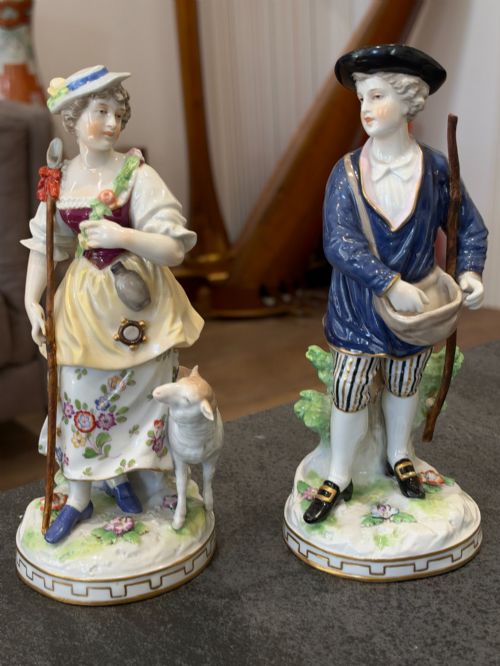
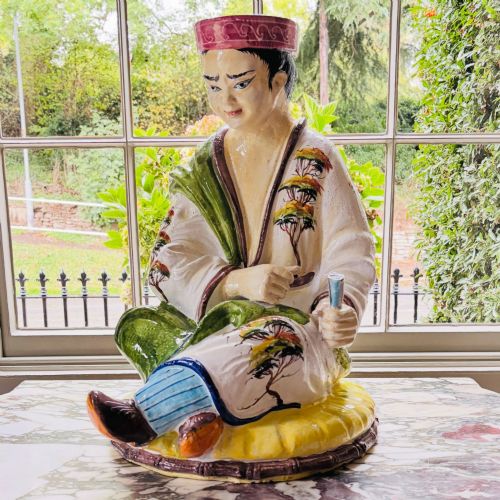
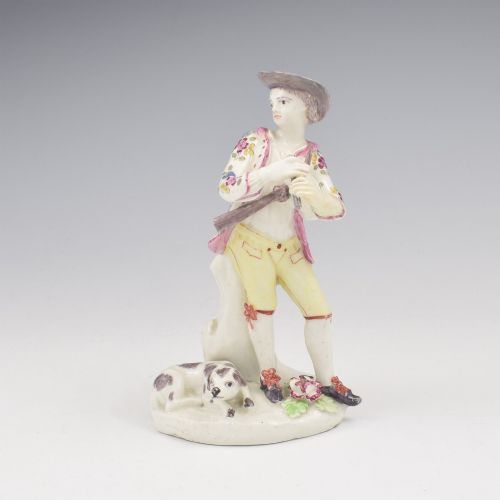
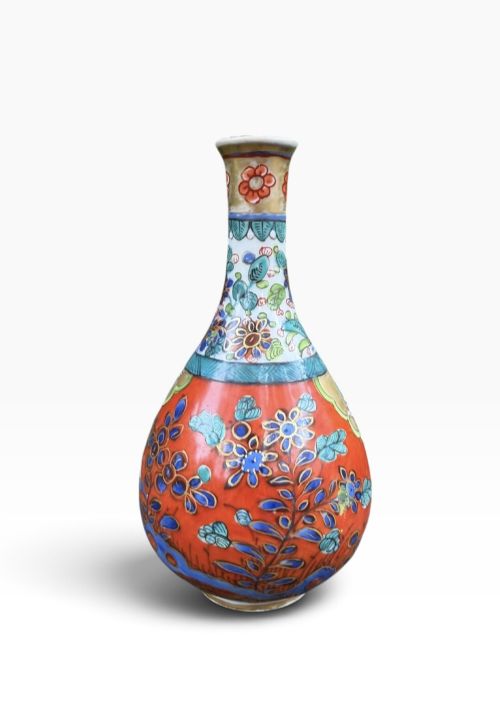
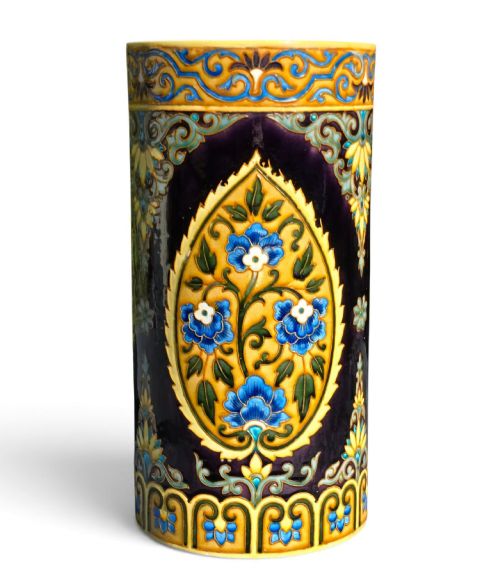
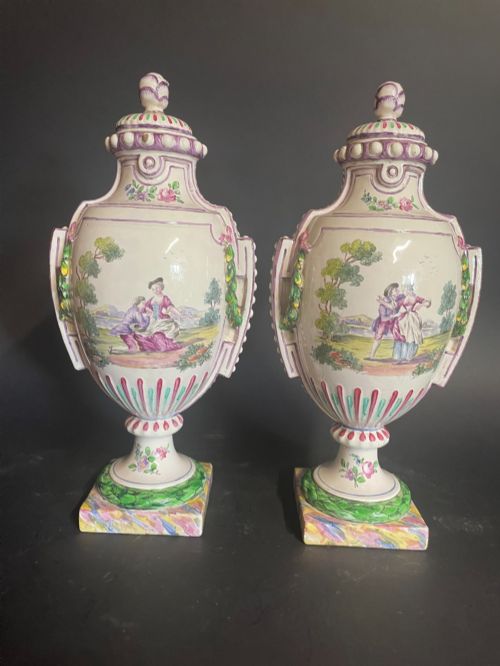
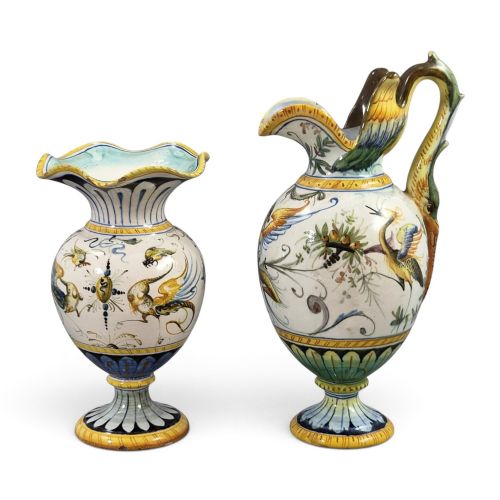
When you search for polychrome glazed ceramic, you are looking at items decorated in multiple colours using mineral pigments applied directly onto fired clay bodies or glaze layers. The pieces span centuries of international kiln production, ranging from early tin-glazed earthenware chargers to refined porcelain figures and large revival vases.
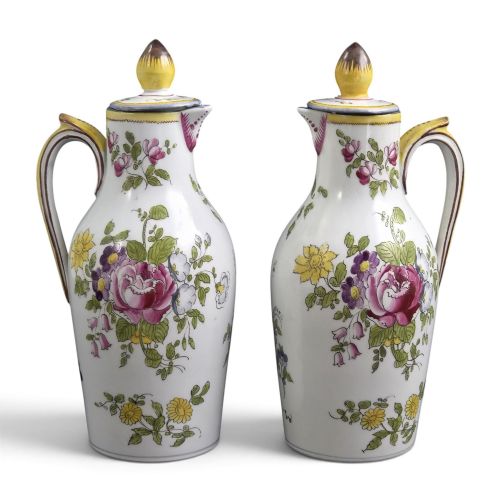
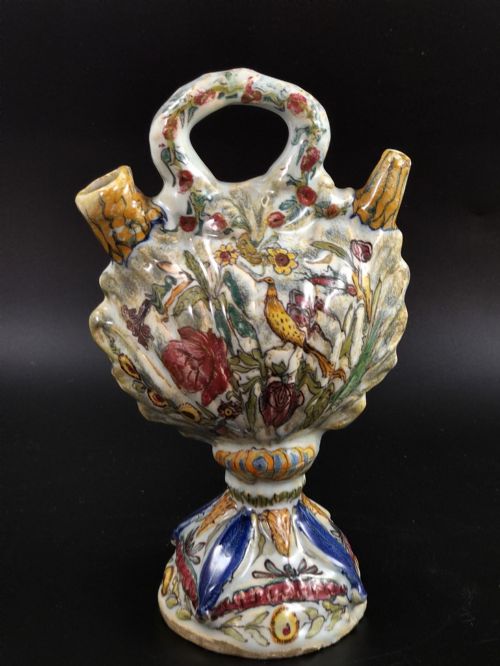
You are most likely to meet 18th-century Delftware plates and bowls alongside 19th-century majolica and faience items on this page. These works encompass functional wares such as apothecary jars and oil jugs, alongside decorative figurines, vases, and elaborate chargers.
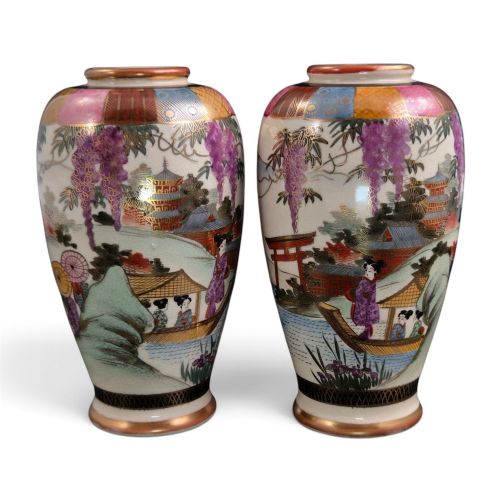
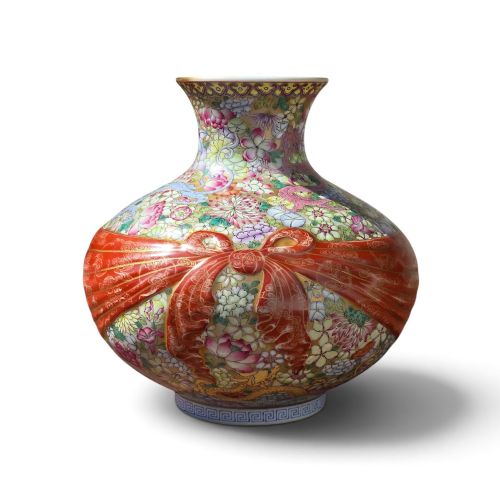
The aesthetic reaches across European workshops in England, France, Italy, and the Netherlands, as well as Asian traditions from China and Japan. Each region applied its own palette, from the distinct blues, yellows, and manganese of Dutch delft to the dense gilding and enamels of Satsuma and Canton wares.
Materials and Techniques
Makers shaped local clays into earthenware, stoneware, or porcelain before applying foundational coats of tin glaze, enamel, or slip. These base layers provided an opaque white or coloured canvas suitable for holding subsequent applications of mineral pigments.
Artisans painted complex floral, figural, and landscape motifs using hand-brush techniques before firing the pieces in kilns to fuse the metallic oxides into the glassy surface. Certain techniques, such as clobbering or overglaze enamelling, required secondary low-temperature firings to set additional gold leaf and iron-red details.
Polychrome Glazed Ceramic Retail Price Guide 2026
Typical asking prices for polychrome glazed ceramic among the pieces listed under this phrase on Sellingantiques today, from the lower quarter to the upper quarter. They describe what is for sale here now, not the wider market.
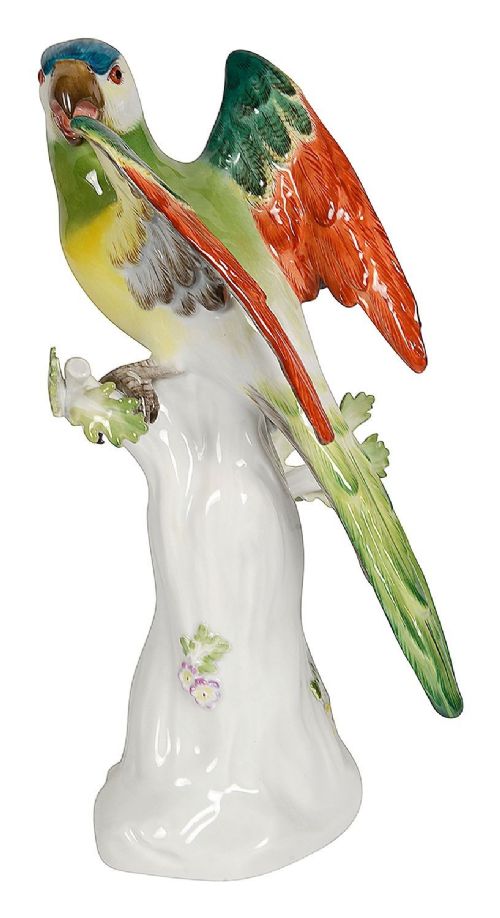
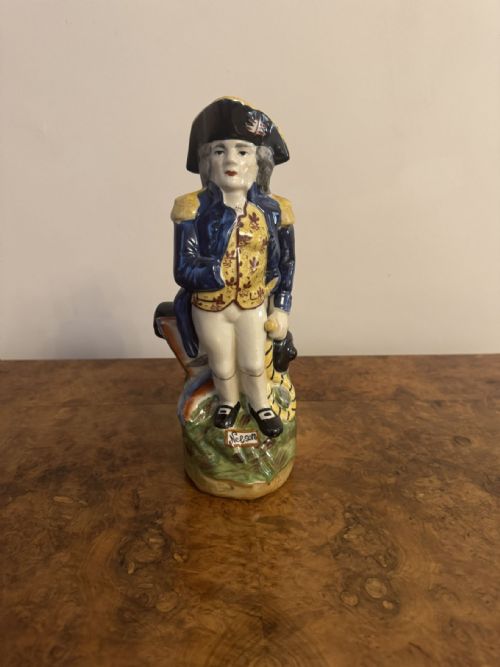
Parrots, colonels, and historical statesmen stare back from the kiln with equal glazed intensity.
Judging Quality
The standard of a piece rests upon the crispness of the hand-painted brushwork and the stability of the glaze during its time in the kiln. Finer examples display confident, unhurried lines in the floral and figural motifs, whereas lesser items suffer from muddy pigment bleed or thick, uneven glaze pooling.
The clarity of the colour palette also distinguishes superior output, with well-fired minerals retaining vibrant hues rather than dulling into flat tones. Additionally, the crispness of relief moulding on majolica and earthenware figures dictates whether fine facial details and garment folds remain sharp or blur into the surrounding glaze.
Théodore Deck·Cantagalli Florence·Minton·Charles Vyse·Royal Doulton·Veuve Perrin Marseille
The Polychrome Glazed Ceramic Glossary
- Majolica
- A type of earthenware covered with an opaque tin glaze and painted with metal oxide colours before firing. It gained popularity during the Renaissance and saw major revivals in the nineteenth century.
- Delftware
- Tin-glazed earthenware produced in the Netherlands, particularly in the city of Delft. It frequently imitates Chinese blue-and-white porcelain or incorporates vibrant polychrome floral decorations.
- Faience
- European tin-glazed pottery produced in France, Germany, and other regions outside Italy. The term generally describes wares decorated with colourful enamels over an opaque white glaze.
- Clobbered
- Porous or glazed ceramics decorated initially in one style and later embellished with additional overglaze colours or gold leaf in a separate workshop. This practice altered older imported wares to suit changing European tastes.
- Charger
- A large decorative plate intended for display on a wall or sideboard rather than for dining use. These items often feature elaborate hand-painted central scenes surrounded by patterned borders.
- Pratt Ware
- English earthenware produced during the late eighteenth and nineteenth centuries, known for underglaze polychrome printing and moulded relief decoration. Common palettes include muted blues, yellows, and ochres.
Polychrome Glazed Ceramic: Frequently Asked Questions
What is the difference between majolica and faience?
Majolica primarily refers to tin-glazed pottery originating from Italian traditions, later describing colourful Victorian moulded earthenware.
Faience describes similar tin-glazed ceramic production centered in France and other continental European countries.
Can I use these antique bowls for food?
Older tin-glazed earthenware and soft-paste bodies often develop microscopic crazing lines across the glaze surface over the centuries.
Using these pieces for serving food can trap bacteria in the porous clay body beneath, so they remain best suited for display.
How do I tell an 18th-century piece from a 19th-century revival?
Eighteenth-century items generally show hand-thrown potting irregularities and softer, hand-mixed pigment tones appropriate to their period of origin.
Revival pieces from the nineteenth century often feature heavier moulded bodies, brighter commercial mineral colours, and different factory mark styles.