


Polychrome Faience Wall Plate
A polychrome faience wall plate brings vibrant tin-glazed earthenware into a room, offering centuries of hand-painted European folk art and historic ceramics for display.
Polychrome Faience Wall Plate
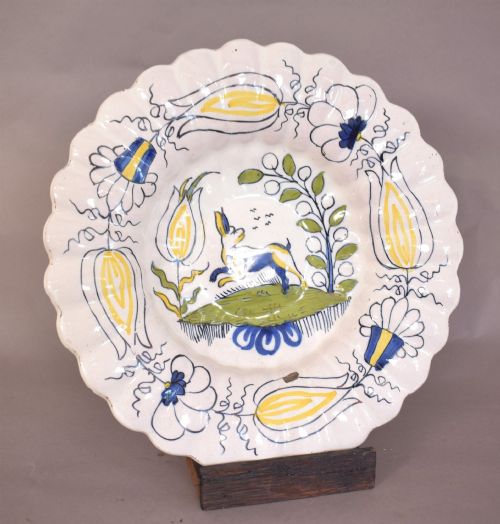
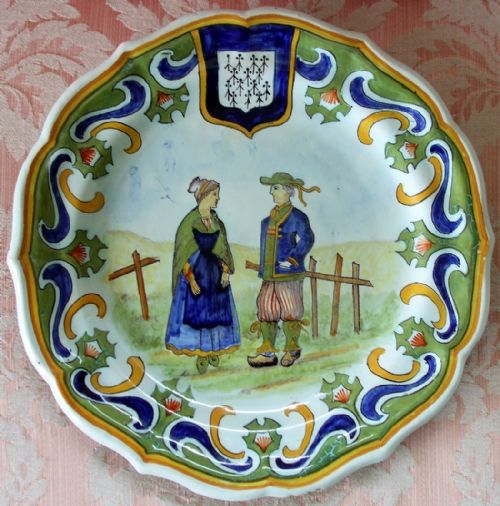
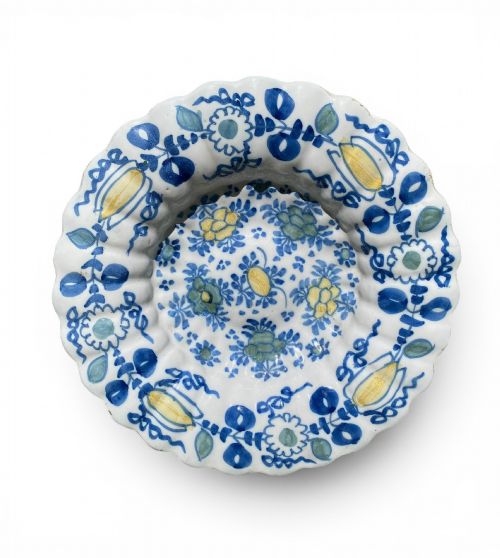
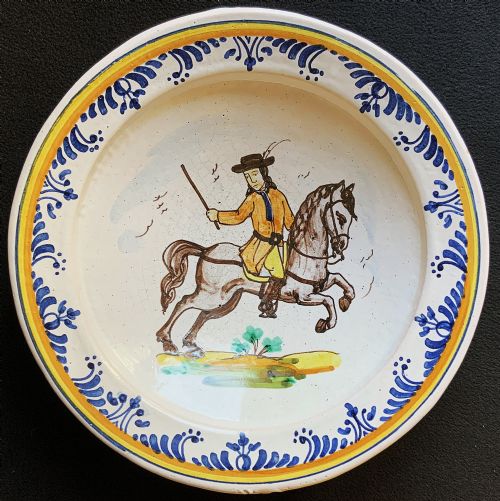
When you search for a polychrome faience wall plate, you encounter a diverse range of tin-glazed earthenware chargers, plaques, and decorative dishes originating from various European traditions. These pieces span from the seventeenth century through to the early twentieth century, reflecting distinct regional styles and utilitarian decorative arts.
The objects most frequently met on this page include Dutch Delft chargers, French faience dishes from centres such as Desvres, Quimper, and Lille, alongside Spanish and Italian maiolica pieces. Their forms range from large lobed dishes and wall plaques to standard decorative plates featuring colourful geometric and floral motifs.
These items were primarily intended for visual display on walls or dresser plate racks rather than heavy daily dining use, which explains their survival in varying states of preservation over the centuries. Collectors value them for their historical breadth, capturing shifts in European ceramic design from baroque extravagance down to provincial folk art.
Materials and production methods
The foundation of every piece is a ceramic body made from earthenware or terracotta, which was shaped either on a potter's wheel or formed within a mould. Once shaped and initially fired to create a porous bisque, the body was coated in a liquid tin glaze that dried to an opaque white or cream surface.
Artisans applied mineral pigments directly onto the unfired or raw tin glaze, absorbing the colours permanently during a secondary high-temperature kiln firing. This technique allowed painters to execute detailed hand-painted floral, figurative, and geometric scenes in multiple colours before the glaze locked the design in place.
Listings span multiple centuries, ranging from seventeenth-century Dutch Delft chargers to nineteenth-century French faience plaques and early twentieth-century Italian maiolica.
Factors of quality and execution
Quality in these ceramics rests heavily on the confidence and precision of the brushwork applied across the tin glaze. Superior examples display spirited, fluid hand painting with sharp chromatic contrast, whereas lesser pieces can exhibit stiff lines, muddy colour bleeding, or careless execution of decorative borders.
The architectural form and stability of the ceramic body also dictate the standard of the piece, particularly with large chargers that risked warping during kiln firing. Well-thrown or well-moulded pieces retain a balanced geometry and substantial weight, complete with properly formed rear hanging holes or sturdy foot rims.
Bassano pottery works
The Polychrome Faience Wall Plate Glossary
- Faience
- Tin-glazed earthenware produced in France, Germany, and other parts of Europe, distinct from English delftware. It utilises an opaque white glaze that serves as a canvas for painted decoration.
- Charger
- A large decorative plate or platter, typically measuring over thirty centimetres across, designed to be stood on a sideboard or hung on a wall rather than used for serving food.
- Tin glaze
- An earthenware glaze rendered opaque and white by the addition of tin oxide. This surface allowed potters to paint colourful designs directly onto the unfired glaze layer.
- Majolica
- Italian tin-glazed earthenware, also known as maiolica, featuring colourful opaque glazes and often elaborate narrative or floral ornamentation from the Renaissance onwards.
- Lobed dish
- A vessel featuring a rim divided into rounded segments or lobes, creating a scalloped profile that was popular in seventeenth-century Dutch and European ceramic design.
Polychrome Faience Wall Plate: Frequently Asked Questions
How do I hang a wall plate safely?
Most antique wall chargers feature factory-made holes in the foot ring or require a properly adjusted spring-clip hanger that distributes weight evenly across the rim. Ensure the chosen wire or wall hook matches the substantial weight of tin-glazed earthenware.
Avoid adhesives or direct pressure clamps that might stress the historic ceramic body or crack the brittle tin glaze over time.
Were these plates used for dining?
While the larger chargers and dishes originated from serving traditions, the vast majority decorated walls, dressers, and cabinets as ornamental display items. Their soft earthenware bodies and porous tin glazes made them vulnerable to cutlery scratching and staining from food.
Collectors generally treat them as decorative works of art rather than functional tableware today.
How do I tell seventeenth-century pieces apart from later ones?
Seventeenth-century examples often display characteristic thickness in the earthenware body, deeper potting irregularities, and specific palettes associated with early Dutch Delft or continental workshops. Pigments sank differently into the raw glaze of early periods compared to standardised nineteenth-century manufacturing methods.
Examining the foot ring, glaze pooling on the reverse, and the style of hand-painted motifs helps distinguish genuine early periods from later revivals.
What is the difference between faience and delft?
Faience is the broad European term for tin-glazed earthenware, while Delft specifically denotes tin-glazed pottery made in the Netherlands, particularly around the city of Delft. English production is typically termed delftware.
Despite regional names, the underlying chemical composition involving an earthenware body and an opaque tin glaze remains largely similar.