

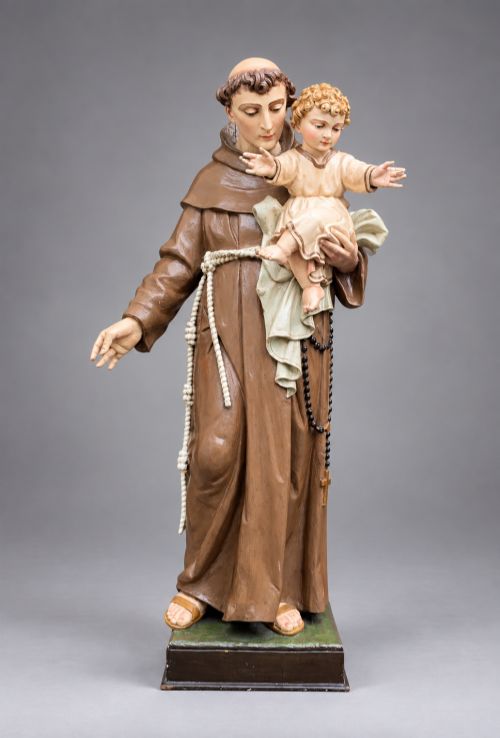
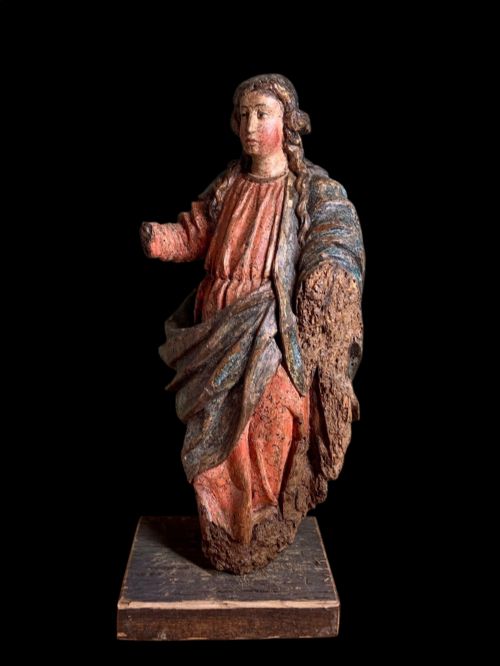
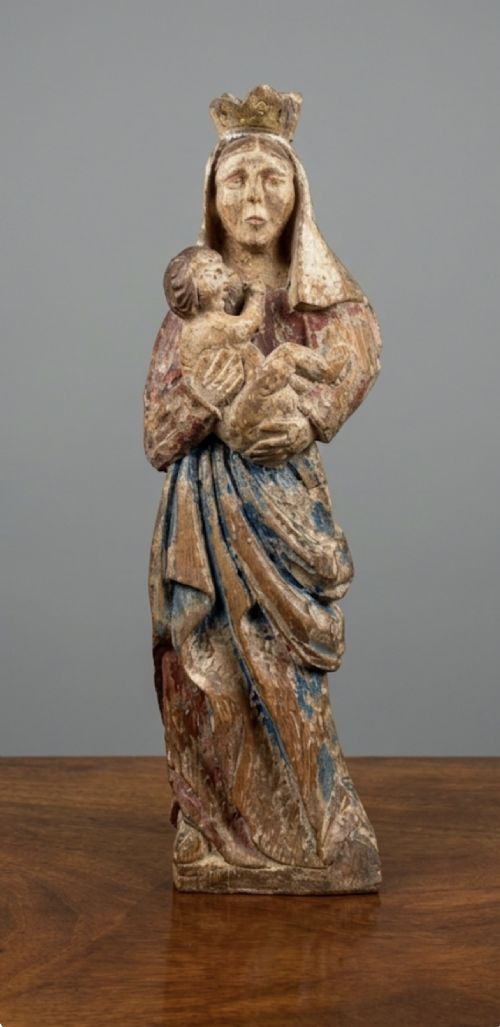
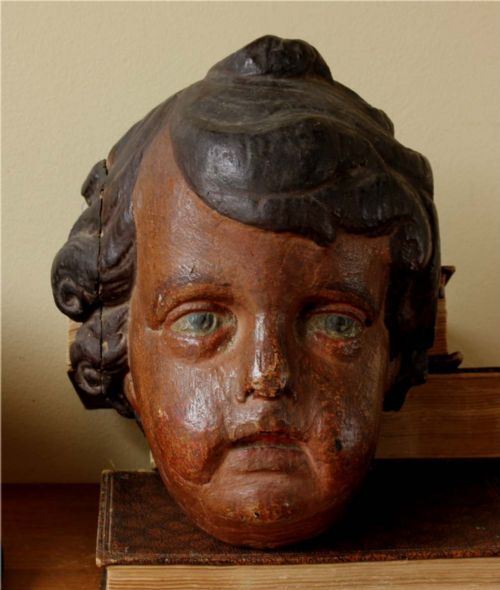
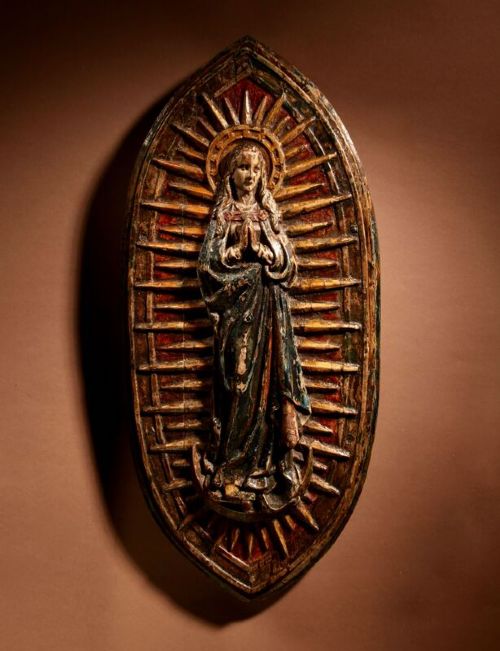
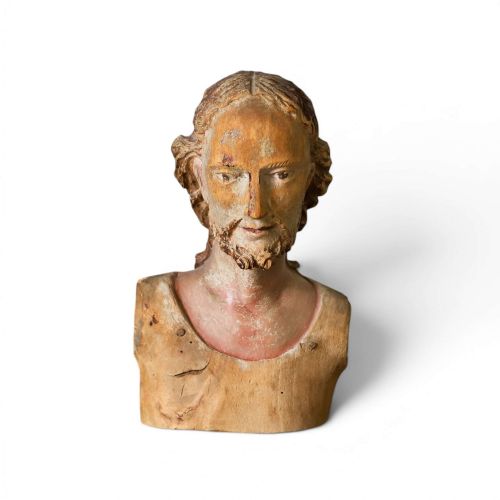


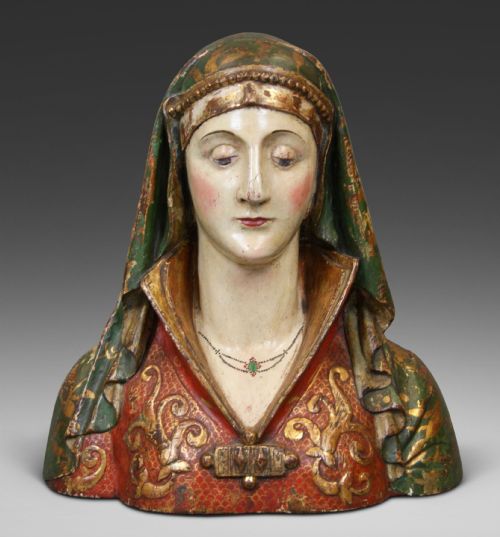
Polychrome Ecclesiastical Sculpture
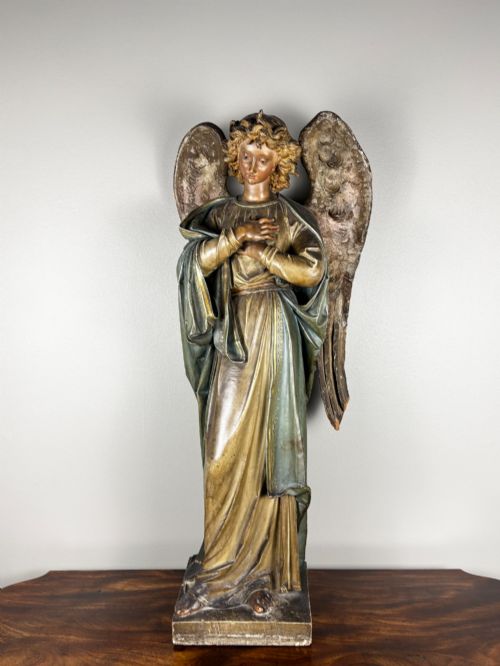
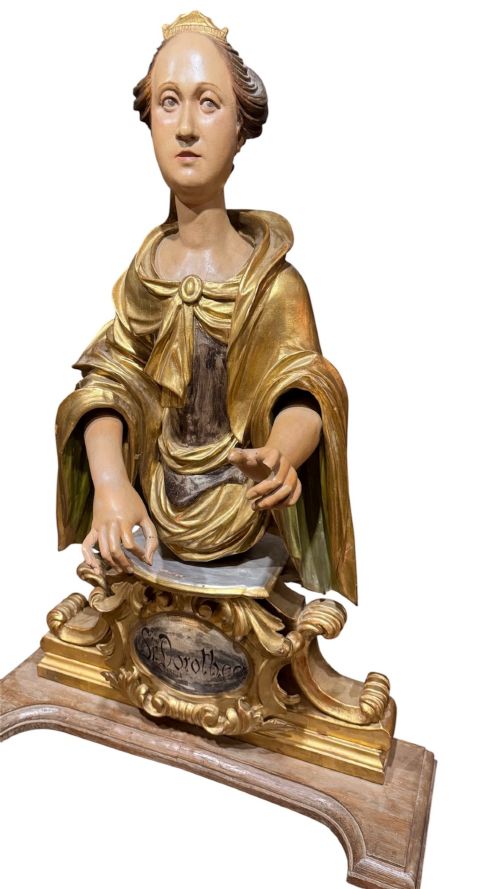
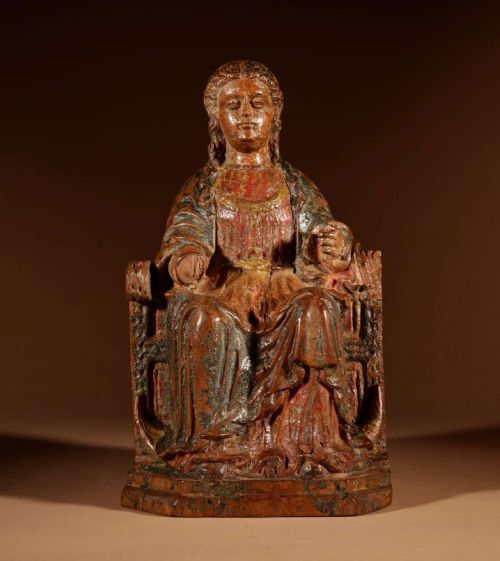
These pieces of polychrome ecclesiastical sculpture bring centuries of devotion into the room, spanning medieval saints and Baroque angels carved from solid timber.
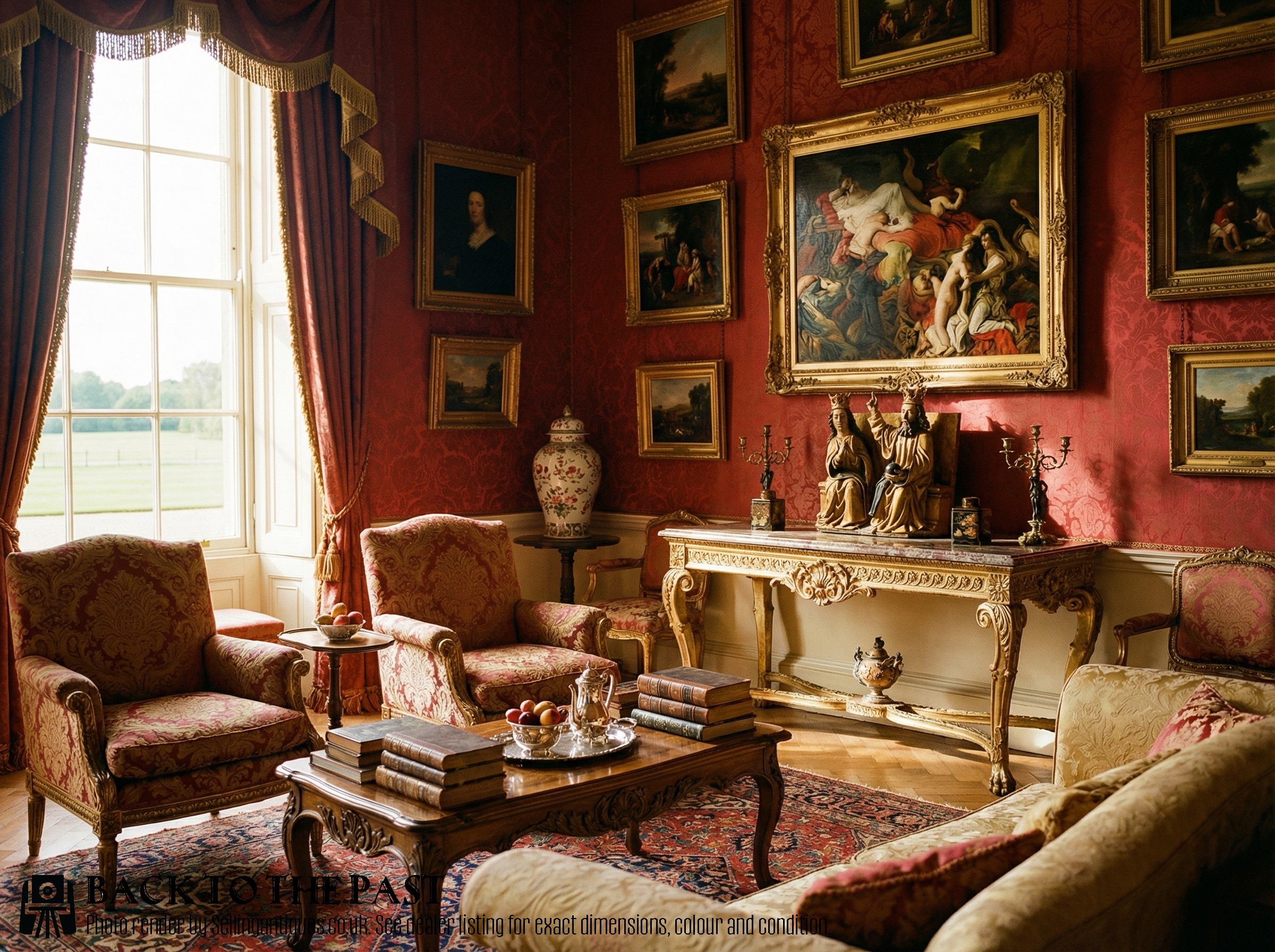
Polychrome Ecclesiastical Sculpture
When you search for polychrome ecclesiastical sculpture, you encounter carved wooden figures of saints, Madonnas, and angels originating from church settings across Europe. These sacred objects range from small devotional busts and cherub heads to life-sized figures created for altars and sanctuaries. The selection spans several centuries, touching the Gothic, Renaissance, and Baroque periods through to the nineteenth century.
On this page, you are most likely to meet eighteenth-century figures alongside sixteenth-century oak and walnut carvings. Representations of Mary, Christ, and various saints predominate, often retaining remnants of their original painted surfaces. Forms vary from single statues to groups and architectural panels taken from larger altarpieces.
Materials and construction
Carved wood forms the structural core of these works, with craftsmen utilising oak, walnut, and olive wood for durability and fine detail. Once the sculptural form took shape through carving, artisans applied a layer of gesso to smooth the timber substrate. This preparatory ground received applications of polychrome paint, silvering, and gold leaf to bring the sacred figures to life with colour and luminosity.
Polychrome Ecclesiastical Sculpture Retail Price Guide 2026
Typical asking prices for polychrome ecclesiastical sculpture among the pieces listed under this phrase on Sellingantiques today, from the lower quarter to the upper quarter. They describe what is for sale here now, not the wider market.
Several pieces feature winged cherubs and altars love angels keeping a watchful, painted gaze over the room.
Assessing quality and finish
Rouillard Angers·Bohumil Kafka
The Polychrome Ecclesiastical Sculpture Glossary
- Polychrome
- Decorated in multiple colours. This term describes sculpture or woodwork painted with various pigments, often combined with gilding.
- Gesso
- A plaster mixture used as a smooth base for paint or gold leaf. Artisans applied it directly to carved wood before adding polychromy.
- Giltwood
- Wood that has been treated with gold leaf or gold paint. It frequently highlights garments, halos, and architectural details on sacred figures.
- Altarpiece
- A structure depicting a religious subject that is placed behind an altar. Central panels and figures from these large assemblies often survive independently.
- Putto
- A figure of a small infant, frequently winged, appearing in religious art. These cherubic representations populate Baroque and later sculptural groups.
Polychrome Ecclesiastical Sculpture: Frequently Asked Questions
What is polychrome ecclesiastical sculpture?
These pieces comprise carved wooden statues and reliefs created for churches, featuring painted and gilded surfaces depicting saints, angels, and biblical figures. They originate from various European traditions spanning the medieval period into the nineteenth century.
Craftsmen shaped these works from timbers such as oak and walnut before applying gesso and polychrome paint. They served devotional roles in altars, chapels, and domestic shrines.
How were these figures used originally?
Religious sculptures stood within churches, mounted on altars, or incorporated into larger architectural altarpieces. Some served as focal points for private prayer in domestic environments.
Figures such as angels, Madonnas, and specific saints occupied designated spaces within sanctuaries. Their painted finishes and gilded details caught the flickering light of candles during services.
How do I care for antique wood carvings?
Display these sculptures away from direct sunlight and steady heat sources to protect the old timber and delicate paint layers. Stable indoor humidity prevents the wood from drying out or cracking.
Dust the surface gently with a soft, dry brush rather than using liquid cleaners or polishes. Preserving the original polychrome layer requires minimal intervention and careful handling.
How can I tell the period of a sculpture?
Stylistic clues such as the cut of drapery, facial expressions, and carving tool marks help determine the age of a piece. Gothic figures display different proportions and linear qualities compared to Baroque or Renaissance works.
Examining the wood type, construction methods, and the composition of the gesso underneath the paint provides further confirmation of the era. Surviving tool marks reveal the manual techniques of the period.