





16th Century Religious Sculpture
These 16th century religious sculpture pieces offer profound devotional presence and historical gravity for any serious interior.
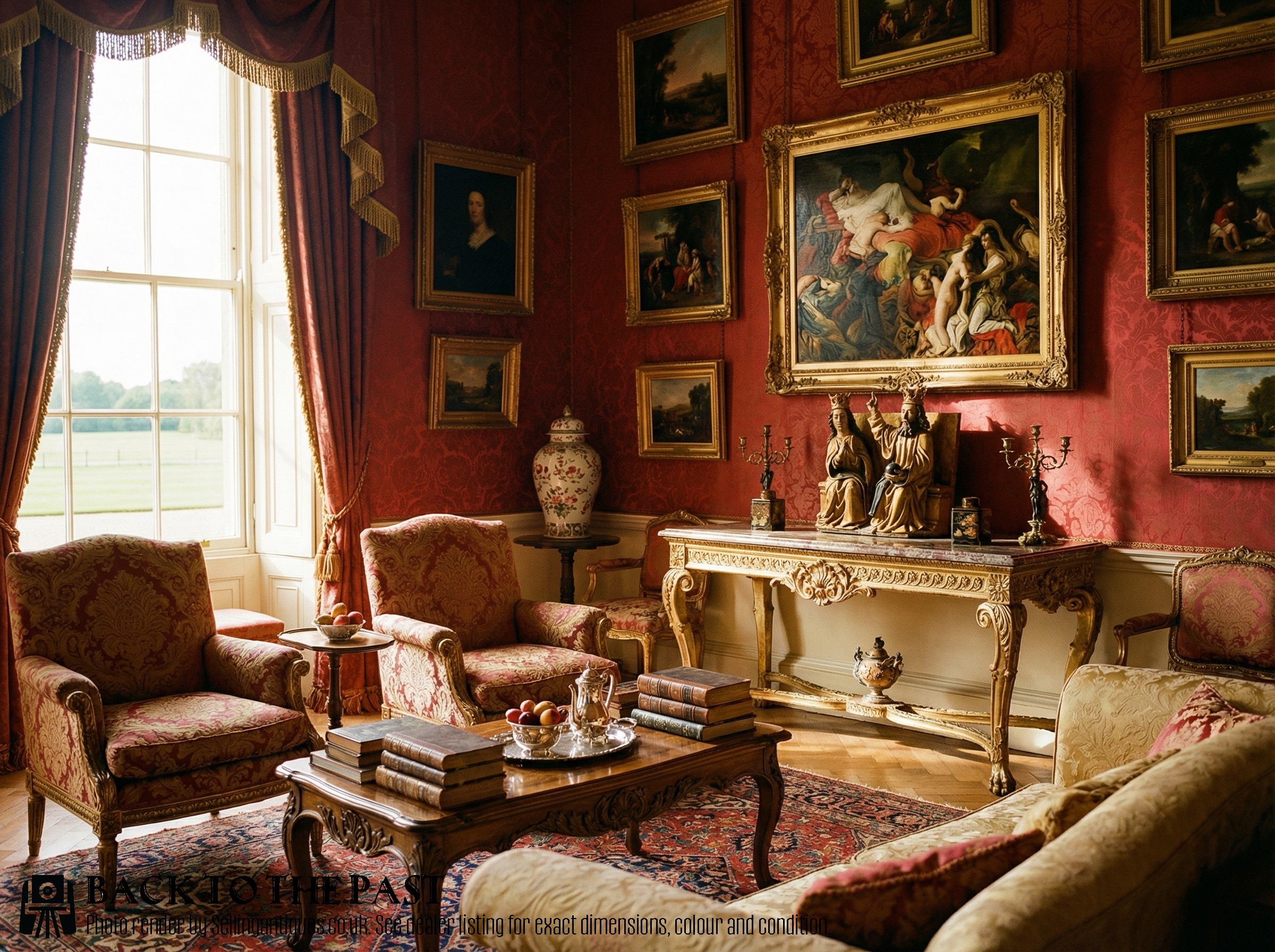
16th Century Religious Sculpture
When you search for 16th century religious sculpture, you encounter devotional figures, saints, and narrative reliefs created during a time of intense artistic and spiritual transition. The examples you meet on this page span Gothic survivals, Northern Renaissance panels, and Italian Renaissance figures.
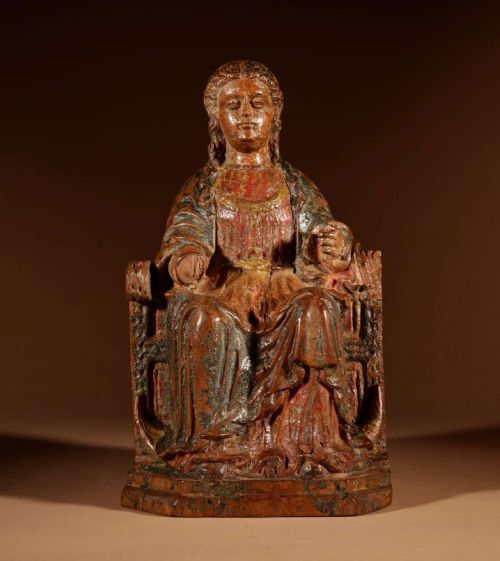
The subjects range from Madonna and child groups and seated saints to specific scenes like the grief of Mary and Christ carrying the cross. Most pieces take the form of freestanding figures or carved reliefs intended for altarpieces and domestic shrines.
Materials and carving methods
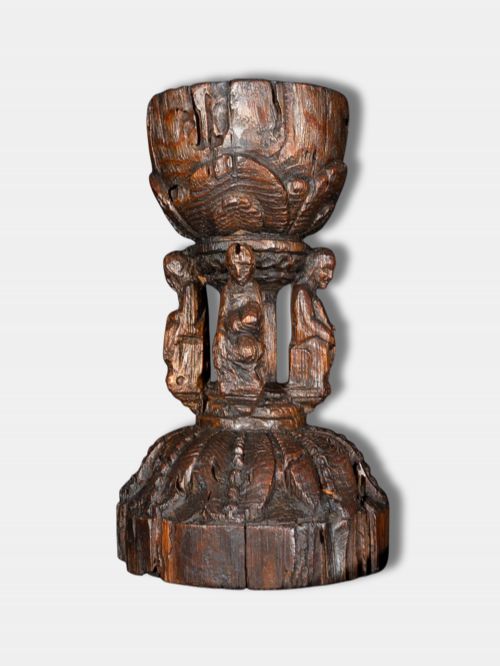
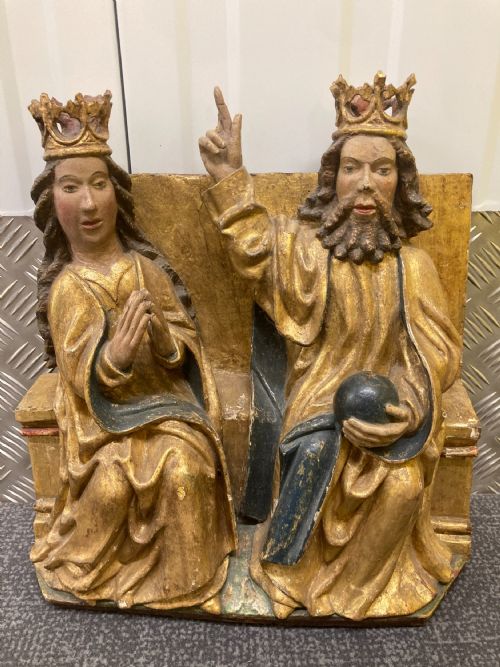
Carvers predominantly utilised woods such as oak, walnut, limewood, and general carved wood, shaping blocks into expressive figures and panels. Many pieces retain traces of their original polychrome paint, parcel gilt, or gold leaf applications.
Bronze and copper alloy casting appear alongside stone carving, demonstrating the technical range of workshops across Europe and Asia during this period. Tool marks left by chisels and gouges remain visible on the unpainted wooden backs and undersides.
16th Century Religious Sculpture Retail Price Guide 2026
Typical asking prices for 16th century religious sculpture among the pieces listed under this phrase on Sellingantiques today, from the lower quarter to the upper quarter. They describe what is for sale here now, not the wider market.
Several saints appear bearing the tools of their martyrdom, ensuring daily household motivation through extreme occupational hazard.
What determines the quality of a carving
The survival of original surface decoration, including polychrome pigment and gilding, significantly elevates a piece. Fragmentary sculptures still command attention if the remaining carving retains high artistic execution and strong regional character.
The 16th Century Religious Sculpture Glossary
- Polychrome paint
- Decoration applied in multiple colours to the surface of wood or stone sculpture. This treatment brought devotional figures to life in churches and domestic chapels.
- Giltwood
- Timber that has been decorated with a thin layer of gold leaf or gold powder. It catches candlelight and signifies holiness in religious iconography.
- Relief sculpture
- Carving where the figures project from a flat background panel rather than existing in the round. These often depicted narrative sequences for altars.
- Corpus Christi
- The body of Jesus Christ depicted on the cross. These wooden or metal figures formed the central focus of liturgical crucifixes.
16th Century Religious Sculpture: Frequently Asked Questions
Where were these sculptures originally displayed?
These sculptures typically stood upon church altars, inside private domestic chapels, or within architectural niches across Europe and Asia. They served as focal points for prayer and commemoration.
Many relief panels also formed parts of larger carved altarpieces that told biblical stories to congregations who could not read.
How do I care for wooden religious carvings?
Keep wooden sculptures away from direct sunlight and strong sources of artificial heat to prevent the timber from splitting. Stable room humidity protects both the wood and any surviving polychrome paint.
Dust the surface gently with a soft, dry brush and avoid applying modern polishes or cleaning agents to historic finishes.
Can I hang a relief sculpture on a wall?
Many relief sculptures are built on wooden panels or stone slabs that lend themselves to secure wall mounting. You should consult a professional art installer to ensure the weight is supported safely.
Freestanding figures usually require a stable shelf, plinth, or dedicated tabletop where they can be viewed securely from multiple angles.