



Polychrome Decorative Statue
A polychrome decorative statue brings vivid colour and sculptural presence into a room, spanning centuries of global craftsmanship from European porcelain to carved wood figures.
Polychrome Decorative Statue
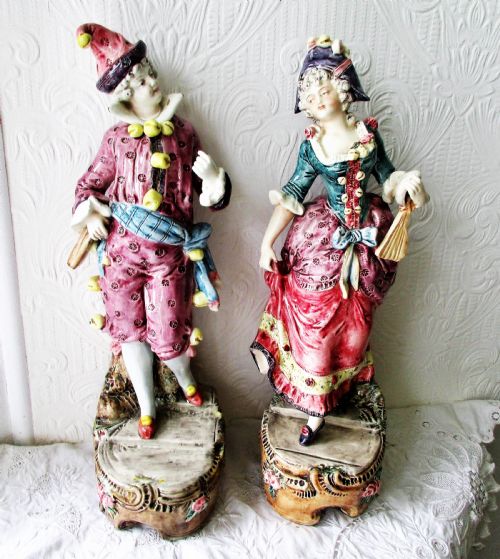
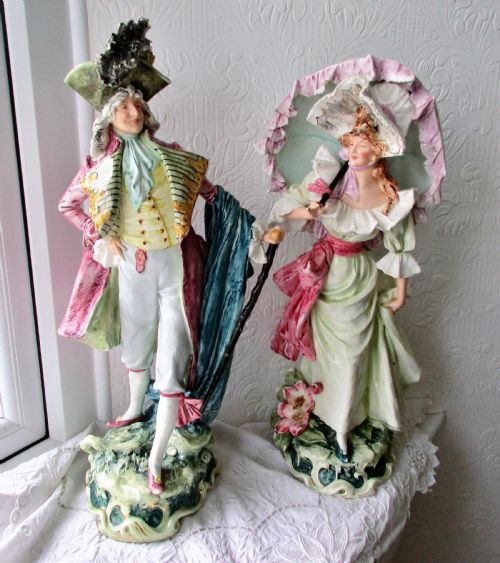
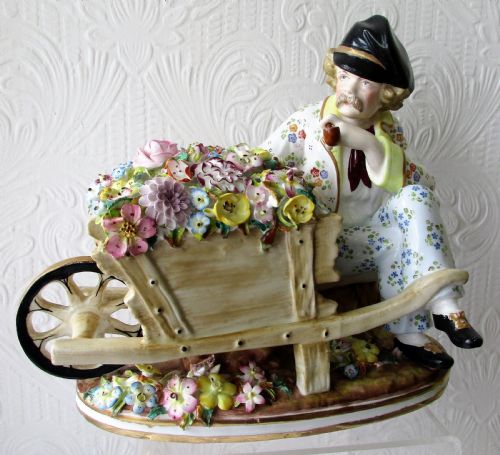
When you search for a polychrome decorative statue, you encounter a diverse array of figural works ranging from porcelain figures to carved wooden sculptures. The selection spans numerous periods, notably the eighteenth and nineteenth centuries, alongside pieces from the early twentieth century.
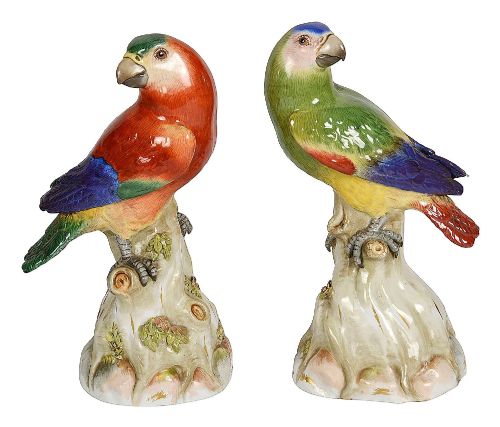
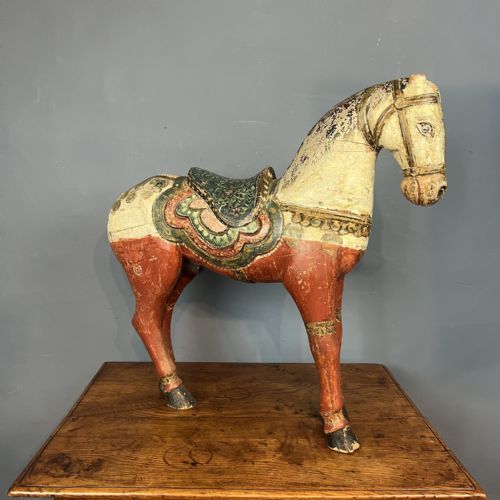
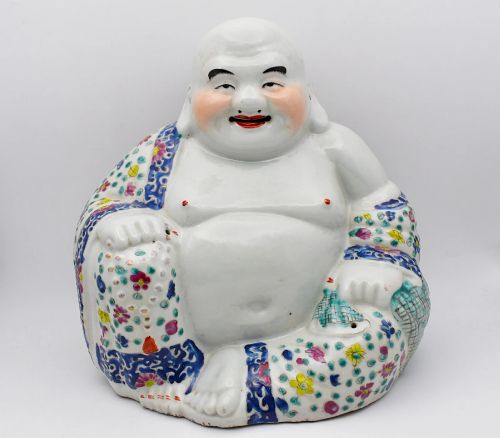
The form encompasses everything from small porcelain figurines and pairs of birds to large floor-standing figures and carved animals. European factories sit alongside Asian ceramics and folk art carvings, giving you many distinct regional interpretations of the multi-coloured subject.
You are most likely to meet nineteenth-century porcelain figures and carved wooden pieces decorated with paint or gilding on this page. These pieces capture human, animal, and allegorical subjects rendered with bright surface decoration.
How they were made
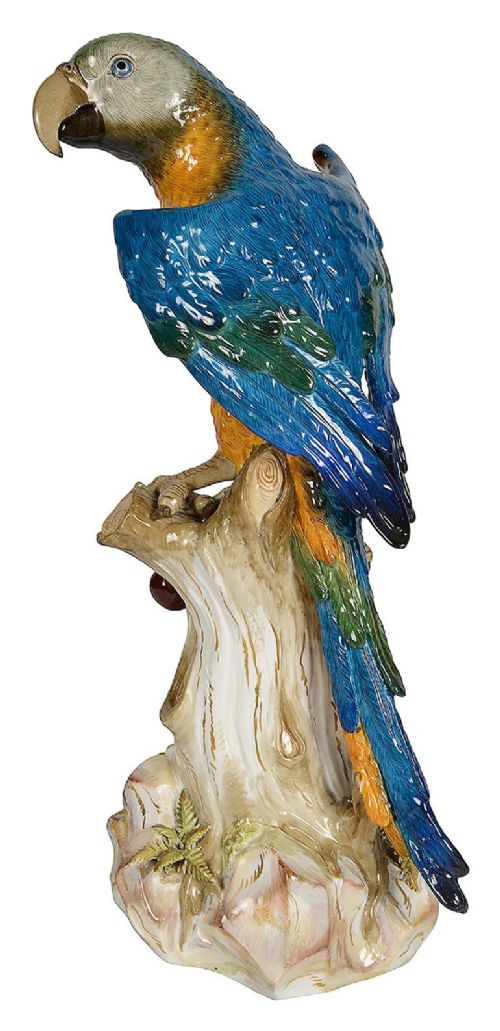
Makers shaped these pieces from hard-paste porcelain, earthenware, terracotta, and various woods before applying colourful surface treatments. Porcelain and pottery examples received glazes, enamels, or hand-painted details fired in kilns to fix the pigments.
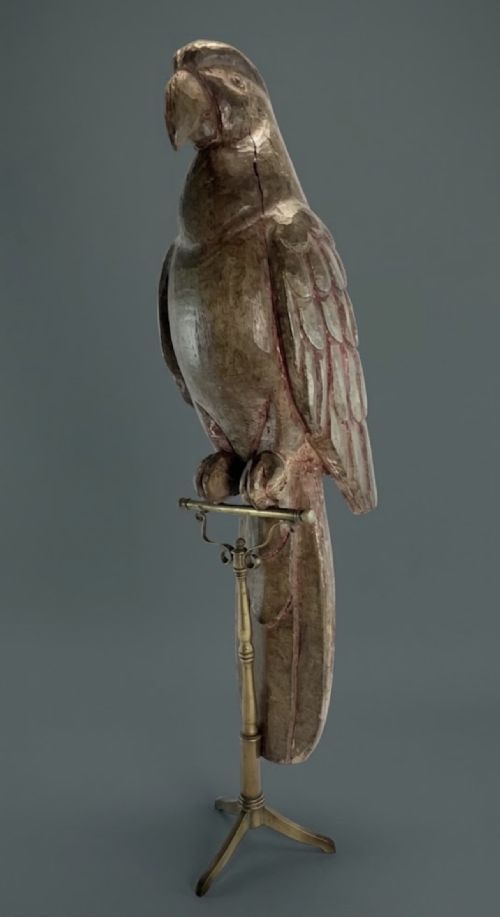
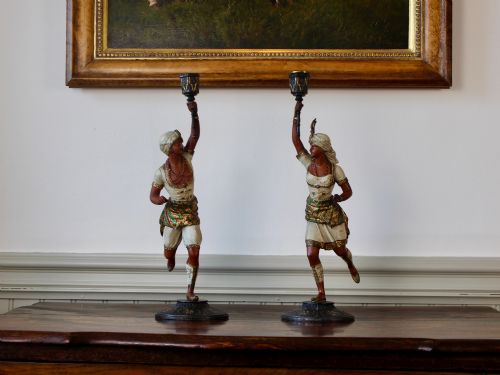
Wooden sculptures relied on hand-carving techniques, often finished with polychrome paint, gesso, and gold leaf. Metal elements such as brass stands or spelter components also appear in the construction of figural candlesticks and supported statues.
Several wooden figures wear original turbans and gondolier hats, ready to serve as eternal interior attendants.
What varies in quality
The preservation of the original surface finish remains central to the character of these pieces. Original polychrome paint and untouched gilding retain a visual depth that later touch-ups or overzealous cleaning tend to obscure.
John Bevington·Carl Thieme Dresden·C. G. Schierholz·Sitzendorf·Samson Porcelain·Meissen
The Polychrome Decorative Statue Glossary
- Polychrome paint
- Surface decoration utilising multiple distinct colours applied to wood, terracotta, or metal. This multi-coloured finish defines the visual impact of many traditional statues.
- Hard-paste porcelain
- A durable ceramic composition fired at high temperatures, typical of European factory figures. It provides a crisp, white body suitable for intricate modelling.
- Spelter
- A zinc alloy frequently used as a cheaper alternative to bronze for nineteenth-century figures. It often received cold-painted finishes to simulate more expensive materials.
- Faience
- Tin-glazed earthenware produced in various European traditions. The porous clay body accepts opaque coloured glazes with distinctive soft edges.
- Gilt polychrome
- A combination of gold leaf highlights and painted colours on a carved substrate. This dual treatment enhances the theatrical appearance of Venetian figures.
Polychrome Decorative Statue: Frequently Asked Questions
How do I care for a painted wooden statue?
Keep wooden and painted figures away from direct sunlight and sudden temperature changes to protect the fragile surface layers. Dust them gently with a dry, soft brush.
Avoid using liquid cleaners or abrasive cloths, as these can easily damage old polychrome paint or delicate gilding.
Are these figures mainly European?
European pieces from German, French, Italian, and English workshops form a large part of the selection. These include factory porcelain and folk art carvings.
Asian works, such as Chinese porcelain figures and Japanese okimono, also feature among the global traditions represented here.
How are pairs of figures matched?
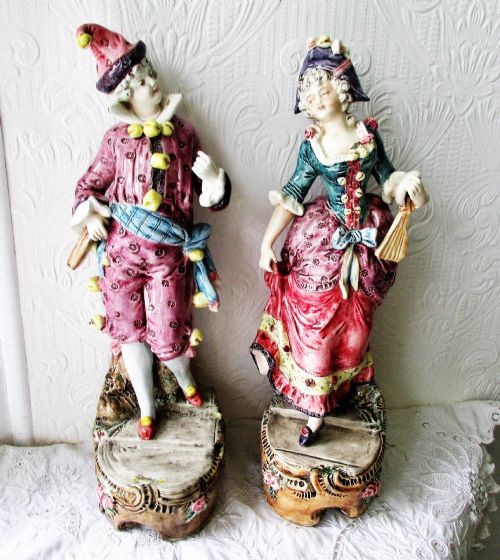
Many nineteenth-century figures were produced as mirrored pairs to serve as mantelpiece ornaments or garnitures. They often depict complementary subjects like allegorical seasons, trades, or courtly figures.
Remaining together over generations, these pairs retain their original symmetry and decorative balance.