




Polychrome Ceramic Figure Group
When you collect a polychrome ceramic figure group, you bring home multi-figured sculptural ceramic works defined by detailed painting and narrative subjects.
Polychrome Ceramic Figure Group
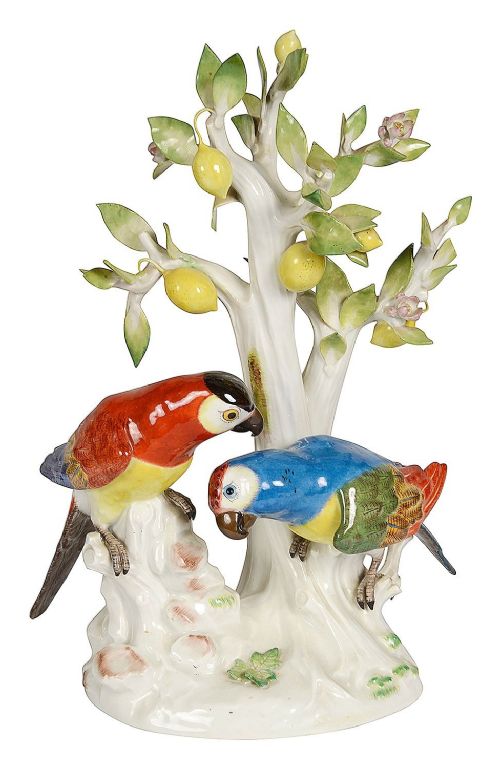
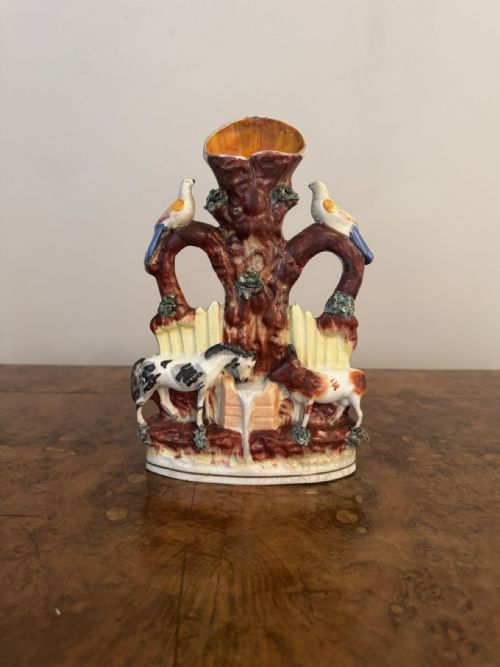
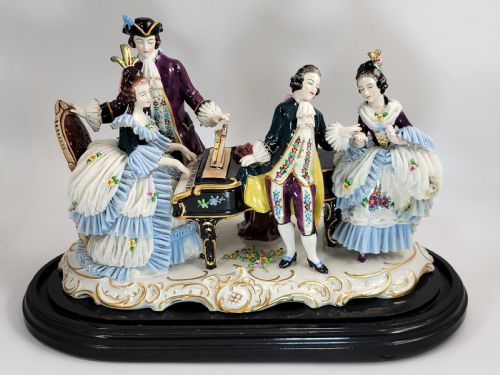
A polychrome ceramic figure group comprises multiple sculpted figures interacting within a single modeled scene, ranging from classical allegories to domestic or pastoral narratives. Buyers encounter eighteenth-century porcelain examples from continental European factories alongside nineteenth-century earthenware flatbacks from Staffordshire.
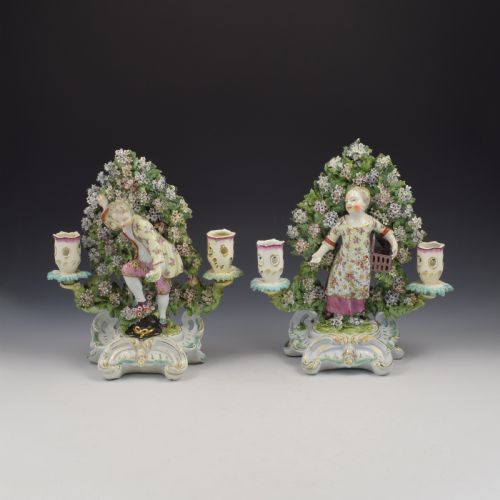
The subjects span historical events, literary characters, and romantic scenes, often involving pairs or groups of figures engaged in a shared activity. Candlestick figures and spill vases incorporate functional elements into the figurative modeling.
Continental workshops favour hard-paste porcelain painted in rich enamels, while English makers utilise earthenware with vibrant underglaze or overglaze pigments.
Materials and production techniques
Makers shaped these pieces using fired clay, earthenware, or hard-paste porcelain, often building complex scenes from multiple moulded components joined before the initial kiln firing. Artisans then applied liquid glaze and hand-painted enamel colours across the surface before a subsequent firing to fuse the pigments.
Gilding and gold leaf accents appear on select porcelain pieces to highlight drapery, bases, or decorative borders. Bocage elements, representing leafy arbor backgrounds, were hand-formed and applied separately to porcelain candlestick figures.
Listings feature both eighteenth-century continental porcelain and nineteenth-century English earthenware groups.
Distinctions in execution and finish
The crispness of the original mould and the precision of the hand-painting set exceptional examples apart from standard production pieces. Fine modeling preserves delicate facial expressions, hand gestures, and intricate drapery folds without softening during firing.
The complexity of the composition and the preservation of delicate applied details, such as lace or botanical elements, indicate the level of craftsmanship invested by the workshop.
Meissen·Derby Porcelain·Staffordshire·Carl Thieme·Samson Paris·Ernst Bohne Sohne·Volkstedt
The Polychrome Ceramic Figure Group Glossary
- Polychrome
- Painted or decorated in several colours. This term describes ceramics featuring multi-coloured enamel decoration applied over or under the glaze.
- Bocage
- An ornamental background of carved or modeled foliage. It frequently frames eighteenth-century porcelain figures and candlestick groups.
- Flatback
- A ceramic figure designed with an unglazed or undecorated flat rear surface intended to stand against a wall. These dominate nineteenth-century Staffordshire production.
- Hard-paste porcelain
- A durable ceramic paste composed of kaolin and petuntse fired at high temperatures. European factories utilised this material for detailed sculptural modeling.
- Spill vase
- A hollow cylindrical vase incorporated into a figure group designed to hold wooden spills for lighting fires. These combine decorative modeling with domestic utility.
Polychrome Ceramic Figure Group: Frequently Asked Questions
How do I clean antique ceramic figures?
Dust gently with a soft, dry brush to prevent accumulation in crevices and recesses.
Avoid using water or liquid cleaners, particularly on pieces with delicate enamel painting, gilding, or applied bocage.
Were these figures meant for display?
Workshops created these pieces as decorative ornaments for mantelpieces, drawing rooms, and display cabinets during the eighteenth and nineteenth centuries.
Some variants, such as spill vases and candlestick figures, also served functional roles in domestic interiors.
What is the difference between porcelain and earthenware figures?
Continental factories predominantly used hard-paste porcelain, resulting in a vitrified, dense body with glossy glaze and fine enamel detail.
English regional potteries utilised earthenware and pearlware, producing sturdier flatbacks with vibrant coloured glazes.
How can I tell an eighteenth-century piece from a nineteenth-century copy?
Examination of the paste, glaze texture, and painting style reveals the period of manufacture through factory standards and pigment chemistry.
Factory marks, where present, help anchor the production era, though many early figures rely on stylistic traits for dating.