


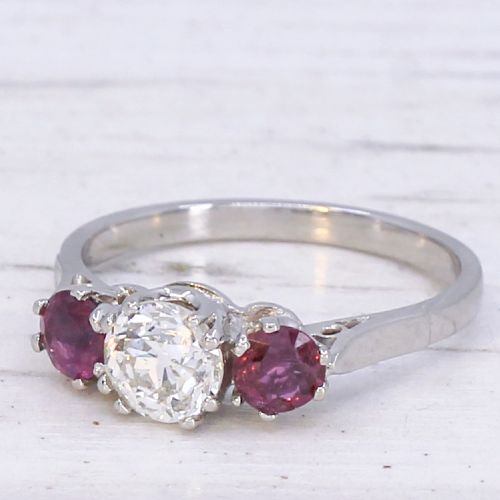


Platinum Trilogy Ring
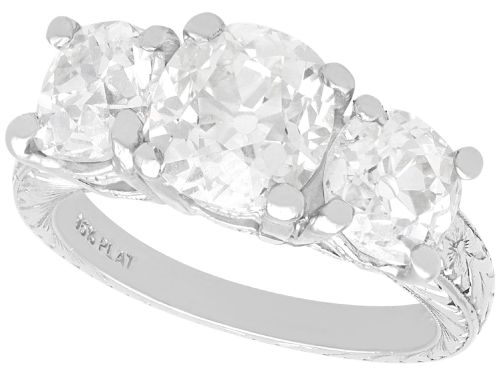
A platinum trilogy ring brings together three stones symbolising past, present, and future in enduring precious metal.
Platinum Trilogy Ring
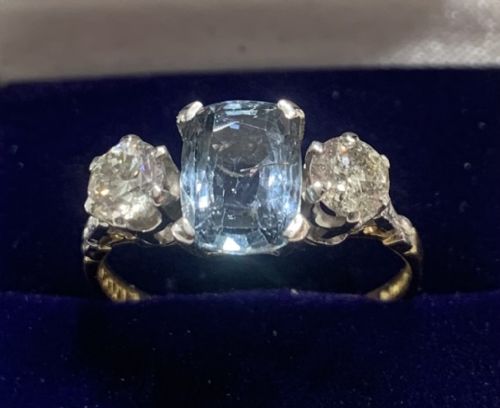
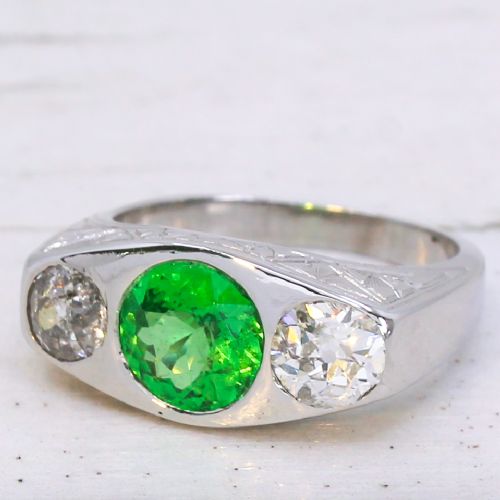
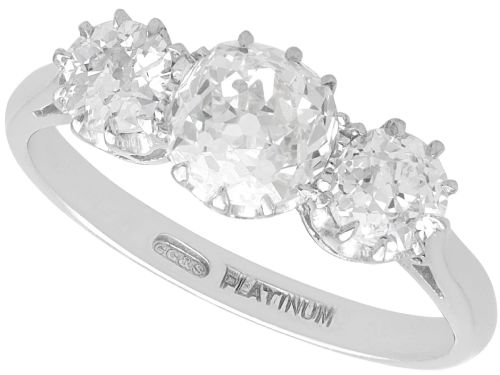
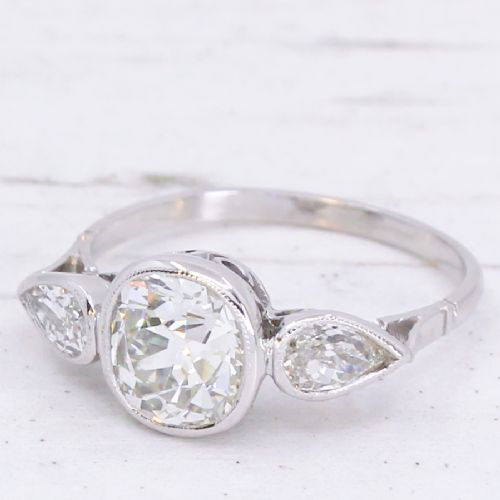
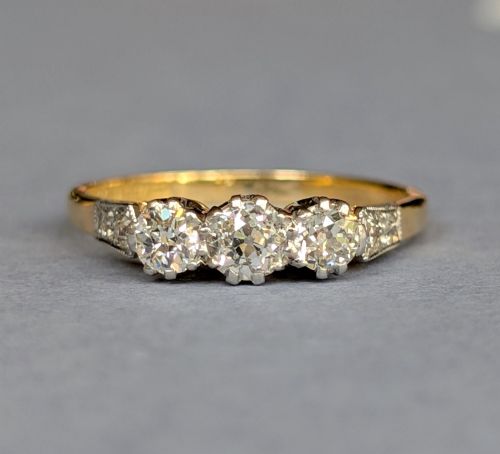
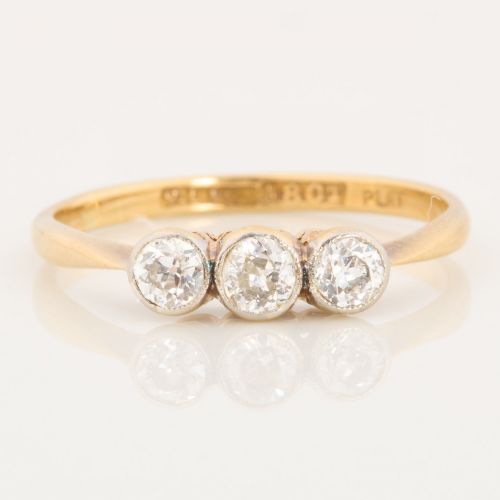
Most examples combine durable platinum settings with either solid gold bands or entirely platinum mountings. The central stone is usually flanked by two matching side stones, creating a balanced silhouette.
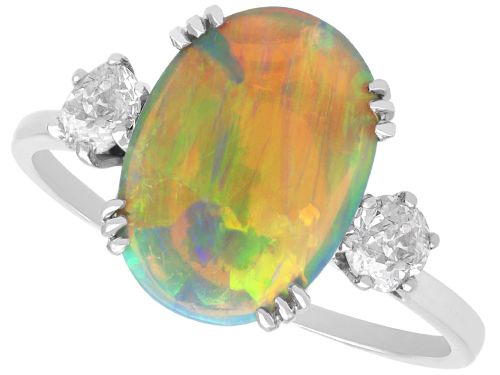
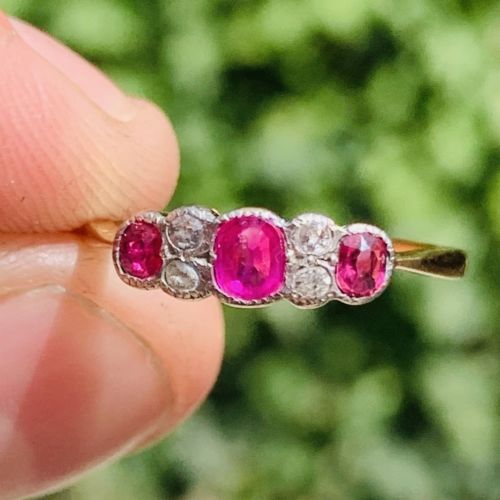
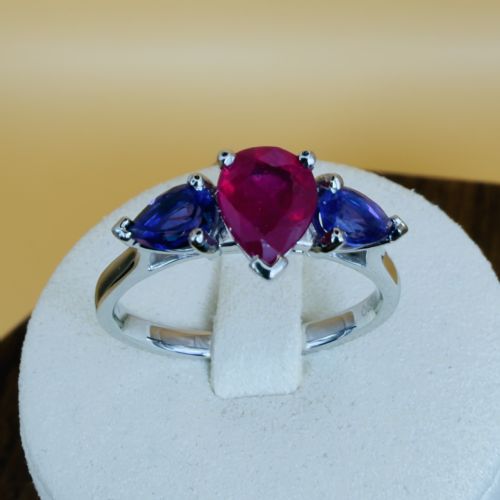
Makers often paired diamonds with vibrant gemstones such as sapphires, rubies, and emeralds alongside traditional all-diamond configurations.
How They Were Made
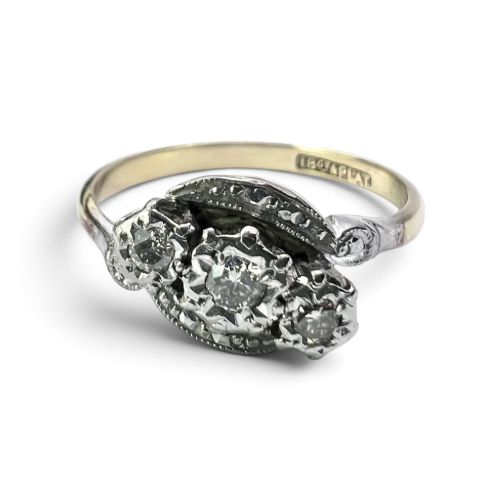
Platinum serves as the primary metal for securing the stones, chosen for its strength and ability to hold intricate claw or bezel settings securely without bulk. Many rings pair these platinum heads with 18ct yellow or white gold shanks.
Diamonds within these pieces are cut by hand using older techniques like old cushion, old cut, transitional, and Swiss cuts, producing softer light reflection than modern brilliant cuts.
Gemstones such as Burmese rubies, natural sapphires, and Colombian emeralds are integrated alongside accent diamonds using traditional bench-work methods.
Platinum Trilogy Ring Retail Price Guide 2026
Typical asking prices for platinum trilogy ring among the pieces listed under this phrase on Sellingantiques today, from the lower quarter to the upper quarter. They describe what is for sale here now, not the wider market.
Listings span the Edwardian era through the 1960s, uniting platinum settings with diamonds, sapphires, rubies, and emeralds.
What Varies in Quality
The quality of a platinum trilogy ring rests upon the proportions and matching of the three principal gems rather than metal weight alone. Stones selected with uniform colour, complementary carat sizes, and harmonious cutting styles elevate the overall harmony of the piece.
Artisanal execution dictates the refinement of the piece, visible in the delicacy of the platinum claw work and the precision of geometric shoulders. Subtle millegrain edges and hand-pierced gallery work reflect superior bench craftsmanship from periods like Art Deco and Edwardian times.
The Platinum Trilogy Ring Glossary
- Trilogy ring
- A ring set with three stones, traditionally representing the past, present, and future. This design remains a popular choice for engagement and anniversary jewellery.
- Old cut diamond
- A hand-faceted diamond cut popular before the advent of modern brilliant cutting standards. These stones typically feature smaller tables and higher crowns that produce a gentle candlelit sparkle.
- Platinum
- A dense, durable, and naturally white precious metal used extensively in fine jewellery. Its strength allows jewellers to create delicate settings that maximise light exposure for gemstones.
- Transition cut
- A diamond cut used during the shift from old European cuts to modern brilliant cuts, generally spanning the 1920s to the 1940s. It combines the deep culet of older styles with more structured modern faceting.
- Millegrain
- A decorative technique featuring a row of tiny raised metal beads along the edges of a setting. This tactile border is characteristic of Edwardian and Art Deco fine jewellery.
Platinum Trilogy Ring: Frequently Asked Questions
What does a platinum trilogy ring symbolise?
The three stones traditionally represent the past, present, and future of a shared life together. This enduring sentiment made them a popular choice for engagement rings throughout the twentieth century.
Today, buyers continue to choose these configurations to mark significant milestones, anniversaries, or simply as meaningful everyday dress rings.
How do I identify an Art Deco platinum trilogy ring?
Art Deco examples often display geometric lines, stepped shoulders, and crisp baguette-cut side stones framing a central gem. The platinum is frequently worked into sharp, angular motifs rather than soft curves.
Makers of this period also utilised millegrain borders and open-work galleries to catch the light from multiple angles.
Are all these rings made entirely of platinum?
While platinum is the defining metal for the search, many historical pieces feature platinum settings mounted onto 18ct yellow or white gold bands. This hybrid construction was common during periods like the 1930s to provide the bright white security for diamonds while retaining traditional gold shanks.
Full platinum mountings also appear across Edwardian and mid-century listings.
Can I wear an antique trilogy ring every day?
Platinum and 18ct gold provide the durability needed for daily wear, provided the settings are treated with reasonable care. Old cut diamonds and securely bezel-set or claw-set stones hold up well to regular use.
It remains wise to remove the ring during heavy manual work or strenuous activity to protect delicate claws and softer coloured gemstones.