




Plate Chest Victorian
A plate chest victorian is a sturdy oak and iron-bound trunk built to safeguard heavy silverware in country houses and during travel.
Plate Chest Victorian
When you search for a plate chest victorian, you are looking at heavy-duty storage boxes designed primarily during the nineteenth century to protect valuable cutlery and hollowware. The examples appearing on this page span the Victorian and Edwardian eras, predominantly taking the form of robust oak trunks fitted for domestic or campaign use.
The version you are most likely to meet on this page is a substantial oak chest reinforced with iron bands and corner brackets to endure long journeys and heavy handling. These pieces frequently retain internal divisions or specific storage layouts intended for silver plate and silverware sets.
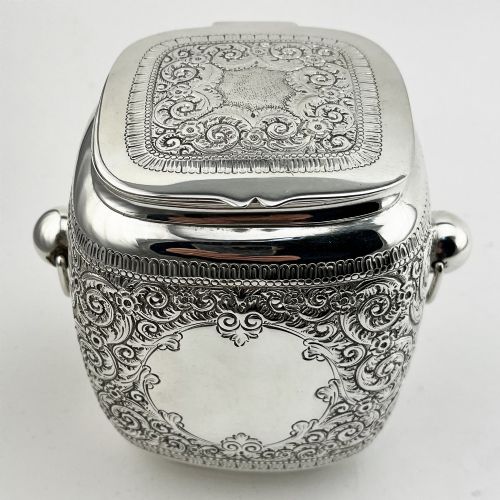
Beyond the standard oak and metal trunks, related items occasionally surface under this heading, including copper-plated coal boxes, silver-plated tea caddies, and smaller canteen cases. These variations reflect the broader nineteenth-century domestic focus on secure storage for household metals and valuables.
How they were made
The construction of these pieces relies heavily on solid oak timbers joined to withstand considerable weight and movement. Makers reinforced these wooden carcases with iron bands, metal binding, and heavy-duty brass or iron hardware to ensure structural integrity.
Internal spaces were often lined with materials such as velvet or fabric to cushion delicate silver items and prevent scratching during transit. Exterior metal components were riveted directly into the timber, combining utility with robust industrial craftsmanship.
Plate Chest Victorian Retail Price Guide 2026
Typical asking prices for plate chest victorian among the pieces listed under this phrase on Sellingantiques today, from the lower quarter to the upper quarter. They describe what is for sale here now, not the wider market.
Listings under this phrase predominantly feature nineteenth-century oak construction combined with iron or metal binding.
What varies in quality
The distinction between a standard utility trunk and a finer piece lies in the grade of timber selection and the sophistication of the ironwork. Finer examples display precise dovetail joinery, heavier gauge metal reinforcement, and intact internal fittings designed for specific silver services.
Condition and completeness heavily influence the standing of an individual piece, particularly the survival of original brass carrying handles, operational locks, and internal baize or velvet linings. Pieces retaining their original structural ironwork and uncompromised oak carcases occupy the higher end of the range.
Martin Hall And Co
The Plate Chest Victorian Glossary
- Plate chest
- A heavy box or trunk specifically constructed to store and transport silver plate and silverware securely. These were essential items in large nineteenth-century households.
- Campaign chest
- A portable trunk designed for military officers or travellers, often featuring recessed brass handles and robust construction to endure rough transit.
- Silver plate
- A base metal coated with a thin layer of silver, commonly utilised for tea caddies, tableware, and decorative items throughout the nineteenth century.
- Canteen
- A fitted case or chest designed to hold a complete set of cutlery in dedicated slots or compartments.
- Tinplate
- Sheet metal coated with tin to prevent corrosion, frequently utilised for smaller deed chests and document trunks from the Victorian period.
Plate Chest Victorian: Frequently Asked Questions
What were plate chests used for?
Plate chests were heavy-duty storage trunks built to protect valuable silverware, cutlery, and hollowware from damage, theft, and tarnishing in large country houses.
They were also utilised during travel by wealthy families who needed to transport their household silver securely between residences.
How do I date a Victorian silver chest?
Dating relies on examining the construction methods, such as the transition from hand-cut dovetails to machine-sawn timber, alongside the style of the iron hardware and brass fittings.
Makers' marks on integrated locks or associated silver pieces, where present, help narrow down the period of manufacture within the nineteenth century.
Are these chests suitable for modern storage?
Their robust oak construction and heavy metal reinforcement make them exceptionally durable for everyday use as coffee tables, blanket boxes, or statement storage furniture.
Many retain deep proportions that accommodate modern household items while adding distinct nineteenth-century character to an interior space.
What is the difference between a plate chest and a deed box?
Plate chests are substantially larger, heavier trunks built from thick oak and reinforced with iron to carry the immense weight of silver services and large dining collections.
Deed boxes tend to be lighter tinplate or metal containers designed specifically for storing documents, legal papers, and smaller valuables.