
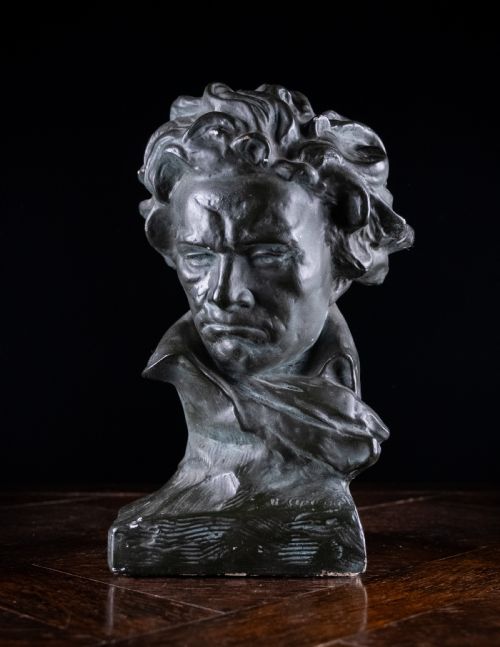
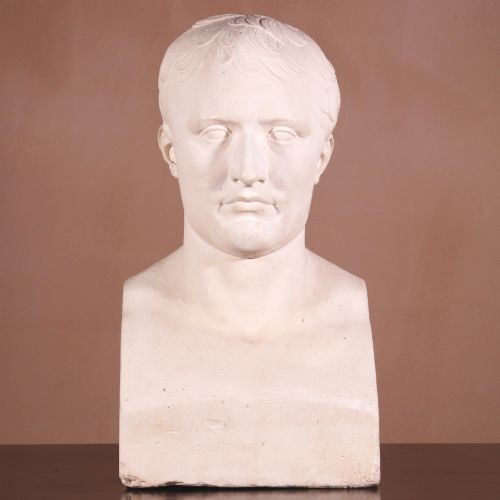
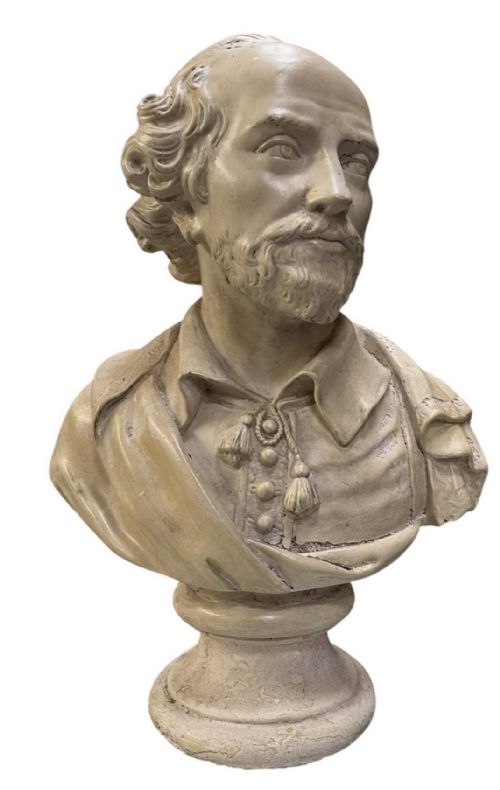


Plaster Portrait Bust
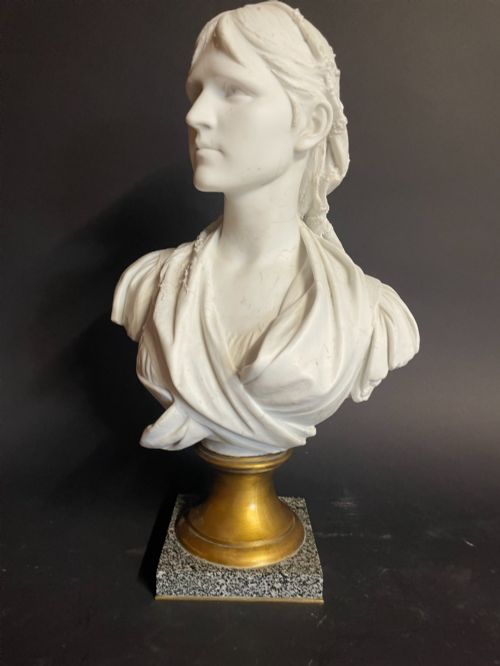
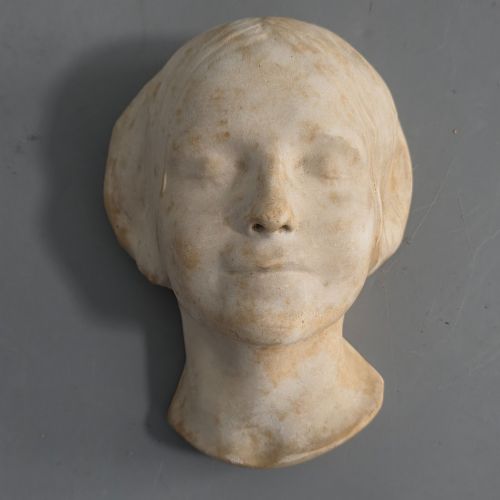
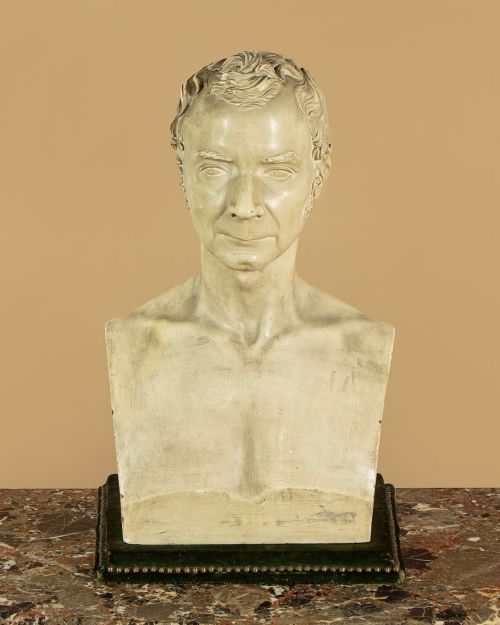
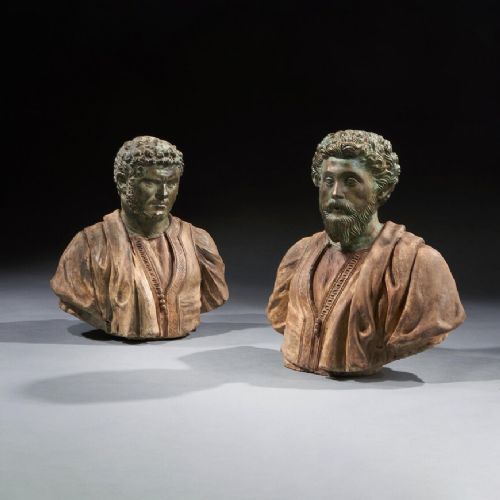
These plaster portrait bust examples capture likenesses in cast relief, offering classical presence and historical character for study and display.
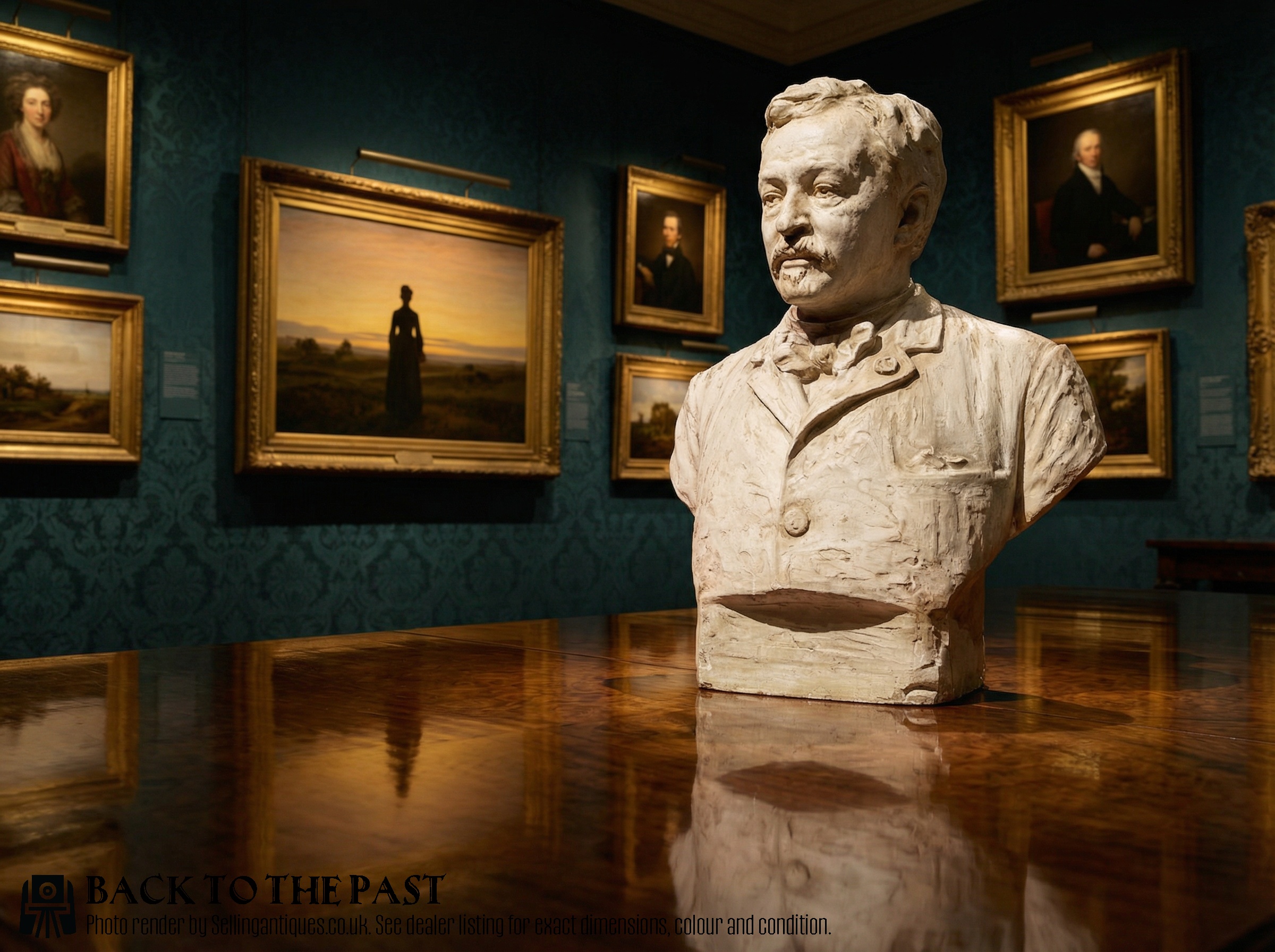
Plaster Portrait Bust
A plaster portrait bust brings classical figures, historical characters, and literary icons into interior spaces through moulded gypsum forms. When searching for a plaster portrait bust, collectors encounter subjects ranging from Roman emperors and Greek poets to nineteenth-century gentlemen and musicians. The nineteenth century yields the highest concentration of pieces, often reflecting Neoclassical, Victorian, and Edwardian tastes for library sculpture.
Makers frequently turned to antique prototypes, casting likenesses after classical sculpture or historical personages such as Homer, Napoleon, and Beethoven. Formats vary from small library busts mounted on brackets to substantial sculptures designed for pedestals and architectural ledges. While plaster dominates the material record, related pieces appear in terracotta, painted surfaces, and simulated stone finishes.
Materials and casting methods
Workshops created these pieces by pouring liquid plaster into multi-part mould systems taken from original clay or wax models. Artisans then removed the seams and finished the surfaces by hand, sometimes applying paint, patination, or simulated stone finishes to mimic marble and bronze. Makers occasionally reinforced the interior structure with wood, metal pins, or brackets to support the weight of larger library busts.
Makers also utilised alternative sculptural mediums including terracotta, alabaster, and pressed glass paste for cameo intaglios. Surface treatments ranged from simple monochrome paint to layered patination designed to evoke age and classical dignity.
Historical makers cast everything from Roman emperors and Greek poets to nineteenth-century cellists, ensuring your bookshelf can neighbour a Caesar.
Distinguishing quality in cast sculpture
The sophistication of the subject matter and the reputation of the modeller or foundry elevate certain examples above standard decorative ware. Pieces signed by known sculptors or marked by specific Parisian foundries demonstrate a higher tier of workmanship than anonymous workshop casts.
Raffaelo Monti·Bohumil Rezl·Antonio Rossellino
The Plaster Portrait Bust Glossary
- Socle
- A short plinth or pedestal supporting a bust. This architectural base provides stability and visual elevation for the sculpture.
- Patination
- The artificial or natural ageing applied to a surface. In plaster work, this treatment simulates bronze, stone, or centuries of patination.
- Intaglio
- A design engraved into a material so that the impression sinks below the surface. Collectors encounter these in framed sets of portrait busts.
- Neoclassical
- An artistic movement drawing inspiration from the classical art and culture of ancient Greece and Rome. This aesthetic dominates nineteenth-century library busts.
- Bracket
- A supporting architectural member projecting from a wall. Library busts often rest upon these integrated wooden or plaster supports.
Plaster Portrait Bust: Frequently Asked Questions
How do I clean a plaster portrait bust?
Dust the surface gently with a soft, dry brush or a microfibre cloth without applying water or chemical solvents. Plaster is porous and absorbs moisture easily, which damages painted or patinated finishes.
Avoid rubbing raised details or edges during maintenance. Regular, gentle dusting preserves the original surface texture and prevents grime accumulation.
Where should I display a plaster portrait bust?
Place the sculpture away from direct sunlight, high humidity sources, and extreme temperature fluctuations to prevent cracking or paint flaking. Sturdy mantels, bookcases, and dedicated pedestals provide secure settings for heavy library busts.
Ensure wall brackets are securely anchored if hanging a bust designed for elevated display. Stable placement protects the fragile gypsum composition from accidental knocks.
How can I date a plaster portrait bust?
Examine the base, surface patination, and any stamped numbers, maker signatures, or foundry marks. Nineteenth-century examples often display distinct casting techniques and classical subject matter popular during the Victorian and Edwardian periods.
Compare the style of the dress, hair, and lettering on the socle to established historical portraits. Patination wear and the composition of underlying plaster layers also offer clues to age.
Were these busts made for education?
Many nineteenth-century library busts served as educational ornaments for schools, universities, and private studies to inspire learning. Displaying classical poets, philosophers, and statesmen reflected the intellectual pursuits of the owner.
Foundries produced affordable plaster casts specifically to make classical art accessible to the middle classes. These pieces functioned as both decorative objects and cultural touchstones.