






Plaster Art
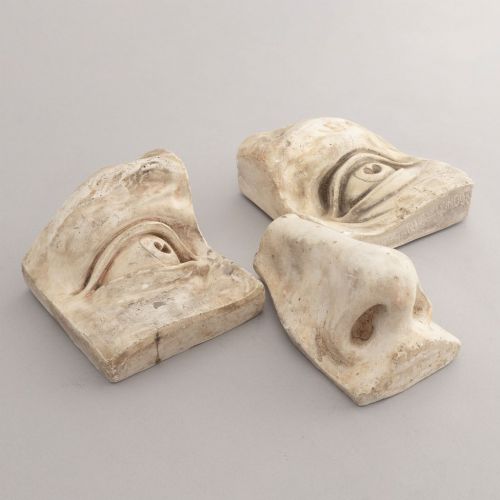
Plaster art brings classical form, textured relief and sculptural presence into interiors through centuries of cast figures, framed intaglios and display pieces.
Plaster Art
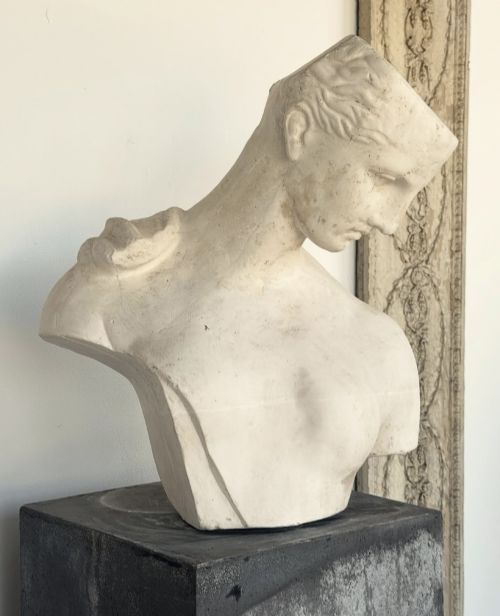
Plaster art encompasses framed Grand Tour intaglios, classical busts, wall reliefs and shop display figures spanning from the eighteenth century through the Art Deco era.
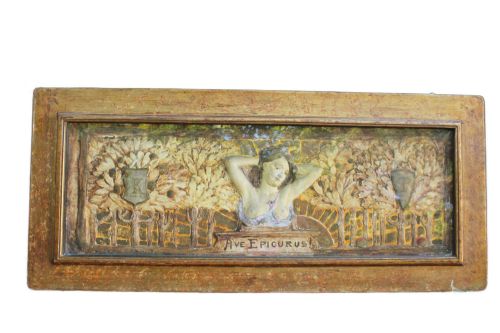
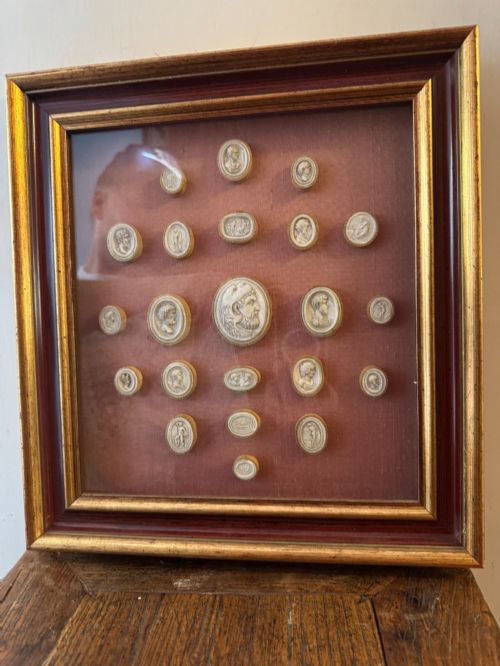
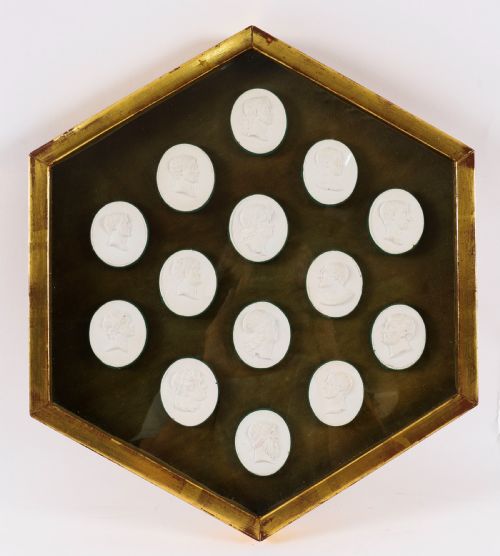
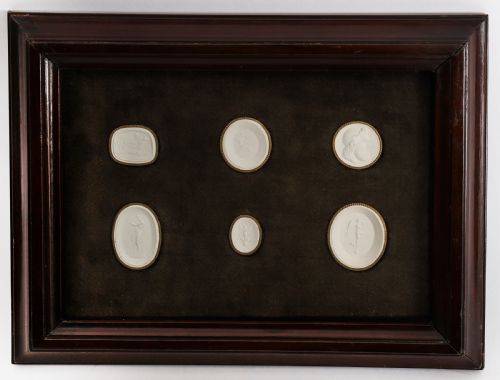
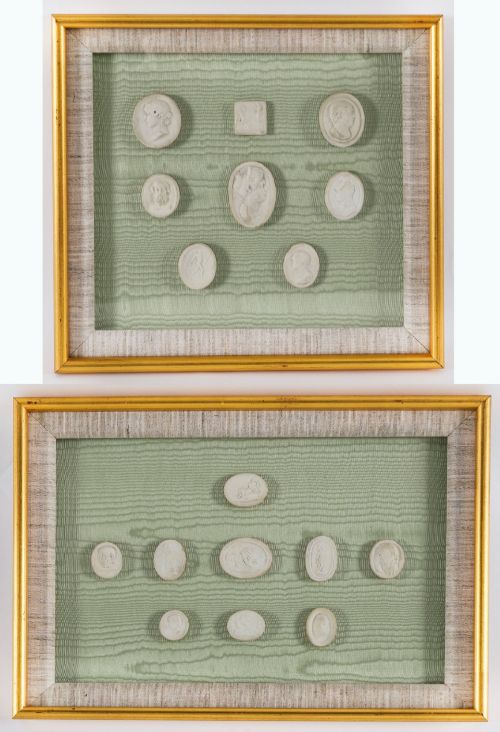
Framed collections of gypsum intaglios and cameo panels dominate the selection alongside sculptural portraiture, theological plaques and figural figures.
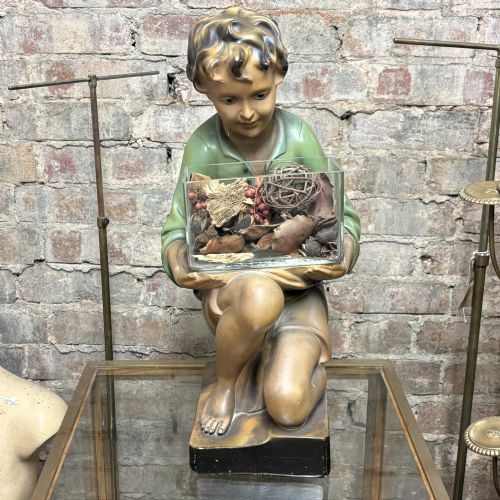
Pieces range from diminutive framed medallions bearing classical motifs to large French and English shop mannequins and architectural friezes.
Materials and Construction
Makers utilised gypsum plaster, marble dust and gesso, frequently pouring compositions into moulds to capture sharp relief detail.
Surface finishes include polychrome paint, bronze patination and gilding, often applied over wood frames and velvet backings.
Many works incorporate supplementary materials such as glass fronts, fabric mounts and carved wooden structural elements.
Plaster Art Retail Price Guide 2026
Typical asking prices for plaster art among the pieces listed under this phrase on Sellingantiques today, from the lower quarter to the upper quarter. They describe what is for sale here now, not the wider market.
Materials represented across the selection include carved wood, velvet, glass, gesso and marble dust.
Quality and Execution
Crispness of detail in cast reliefs and intaglios separates fine academic or studio work from softer, secondary impressions.
Original surface treatments, whether patinated bronze effects or hand-painted polychromy, dictate the visual integrity of figures and busts.
The sophistication of the mounting - particularly in framed Grand Tour collections and shadow boxes - reflects the original care given to the pieces.
John Miers·Giovanni Liberotti·Bohumil Rezl·Rouillard Angers
The Plaster Art Glossary
- Intaglio
- A gem or gemstone carved in intaglio where the design is incised below the surface. Plaster casts of these were popular souvenirs on the Grand Tour.
- Gesso
- A plaster-like mixture consisting of a binder mixed with chalk, gypsum, or pigment. It is commonly used as a base for painting or gilding on frames.
- Grand Tour
- A traditional trip of Europe undertaken by upper-class European young men of sufficient means. It resulted in the acquisition of art, including plaster casts and intaglios.
- Relief
- A sculptural technique where the sculpted elements remain attached to a solid background of the same material. Wall plaques and friezes frequently employ this method.
- Gypsum
- A soft sulfate mineral used extensively to create plaster of Paris. It sets quickly when mixed with water and forms hard casts.
Plaster Art: Frequently Asked Questions
How should I hang heavy plaster wall reliefs?
Heavy plaster wall reliefs and large framed intaglio collections require secure fixings anchored directly into wall studs or solid masonry. Avoid relying on standard plasterboard anchors for substantial pieces.
Ensure the hanging wire and D-rings on the reverse of the frame match the weight of the artwork. Professional installation is advisable for large architectural friezes and heavy plaster plaques.
What is the history of Grand Tour intaglios?
Grand Tour intaglios are nineteenth-century plaster casts taken from ancient engraved gems and classical cameos. Wealthy travellers collected boxed sets of these casts as educational and artistic mementos of their journeys through Italy.
Sets were often arranged systematically on velvet mounts inside custom wooden frames, sometimes stamped by prominent casters such as Giovanni Liberotti.
Are Art Deco plaster mannequins original?
Art Deco plaster mannequins from the 1920s and 1930s served as counter-top shop displays for millinery, jewellery and lingerie. Original examples typically feature period paint finishes and construction methods specific to French and English workshops.
Signs of age include minor surface wear, original hand-painted cosmetic details and characteristic mounting hardware on the base.