




Pitch Pine Drawers
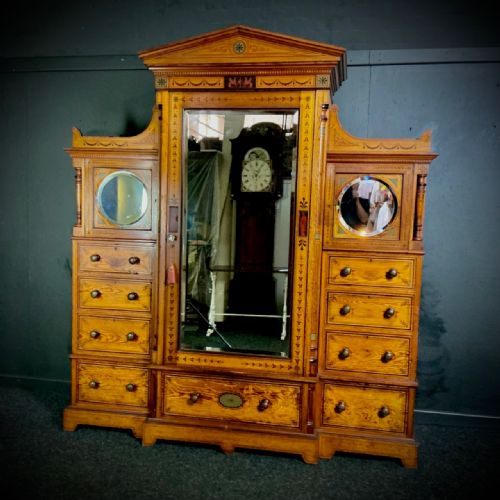
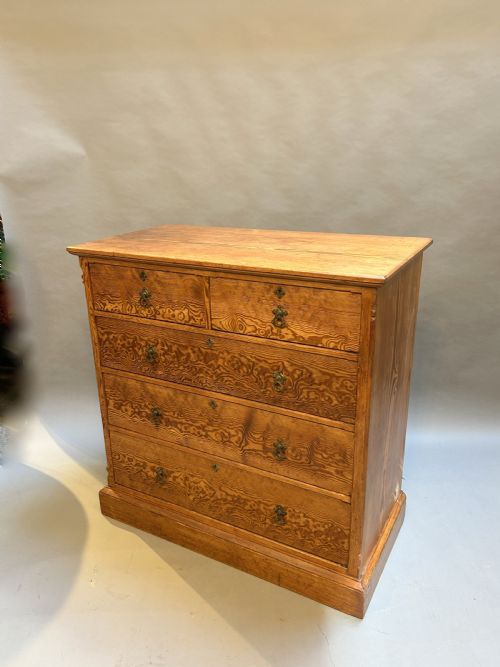
Pitch pine drawers offer robust utility and warm grain, spanning Victorian country pieces to Aesthetic Movement forms.
Pitch Pine Drawers
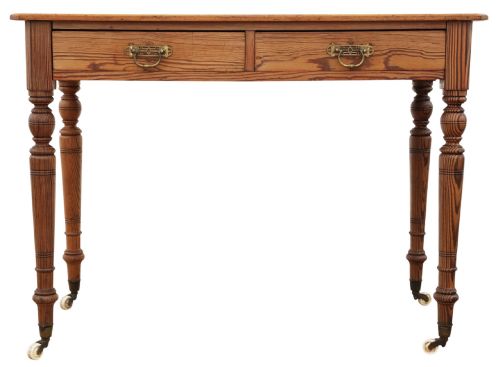
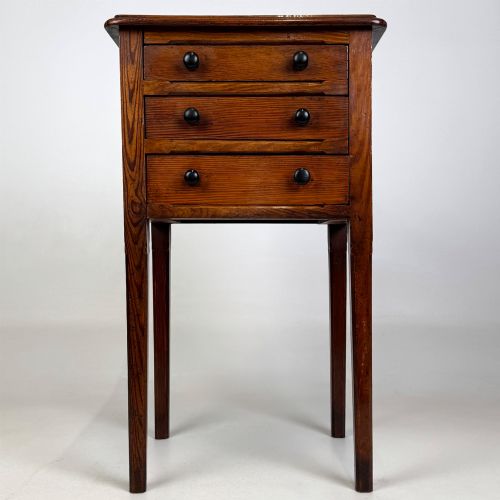
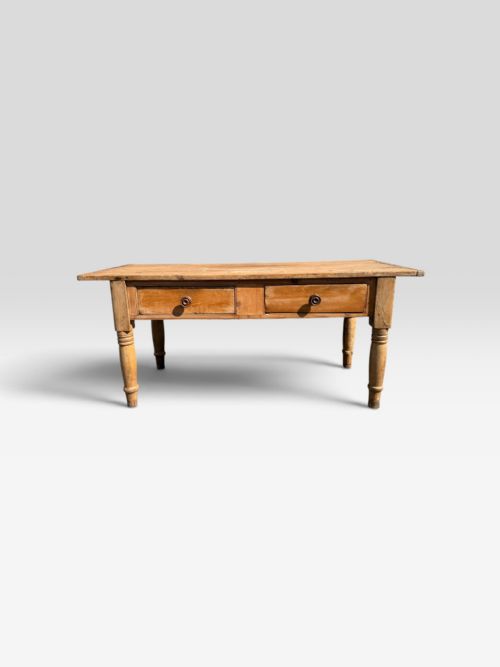
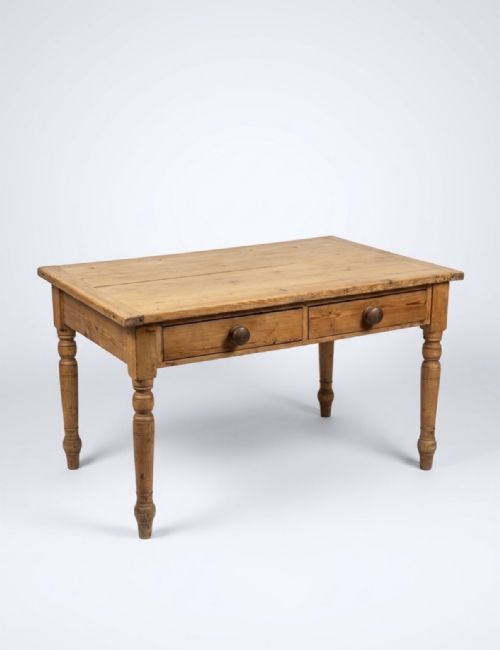
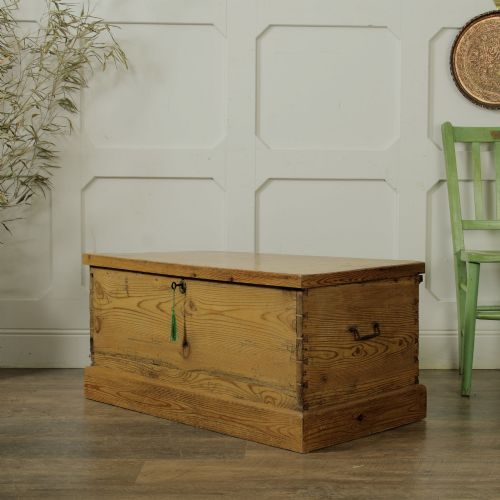
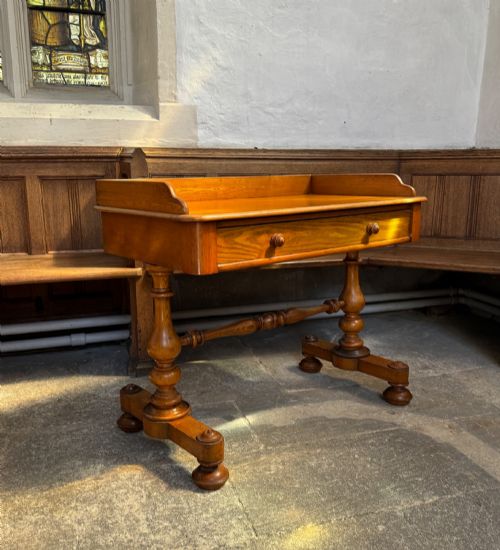
When searching for pitch pine drawers, a buyer encounters solid timber storage items rooted primarily in the Victorian era and the late nineteenth century. The selection ranges from standard chests of drawers and sturdy farmhouse tables with integrated storage to specialised forms like campaign chests, plan chests, and multi-drawer collector cabinets.
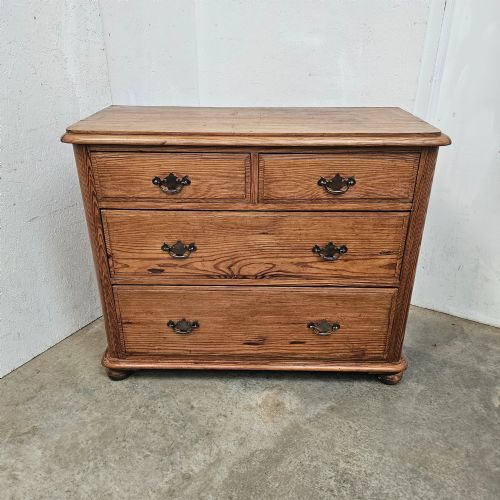
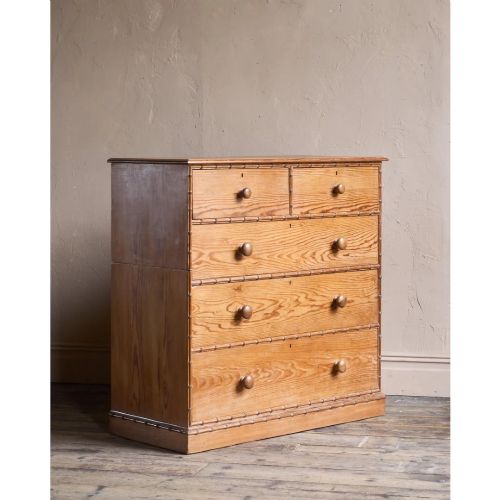
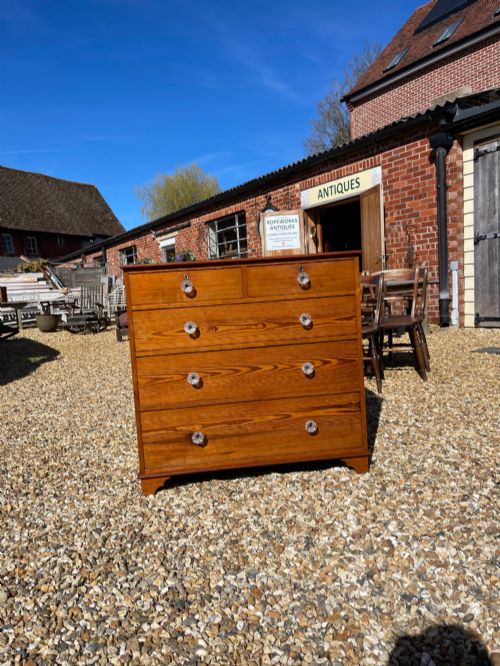
Chest of drawers configurations dominate the available objects, often appearing in traditional arrangements such as two small drawers over three large ones, or as substantial banks of drawers. Pieces frequently show vernacular influences or distinct stylistic treatments, including Aesthetic Movement designs and maritime contexts.
How they were made
Makers utilised dense, resinous pitch pine timber, valued for its durability and prominent grain pattern, sometimes supplemented by secondary woods like pine or accented with ebonised wood details. Metal hardware typically involves brass or iron for handles, key escutcheons, and structural reinforcement on campaign or shipping items.
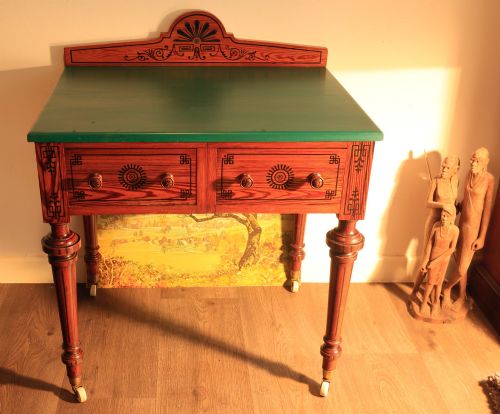
Construction methods rely on traditional joinery suited to heavy domestic and institutional use, occasionally incorporating glass panels, marble tops, or painted surface finishes to alter the natural appearance of the timber.
A twenty-drawer cabinet originally built for a collector now stands ready to organise modern odds and ends.
What varies in quality
Overall proportions and specialised forms, from multi-drawer Wellington chests to architect-style plan chests, indicate whether a piece served a standard domestic role or a specialised professional function.
Howard and Sons·J.T.Crockett
The Pitch Pine Drawers Glossary
- Pitch pine
- A durable, resinous coniferous wood known for its strong grain contrast and toughness, widely utilised in nineteenth-century furniture construction. It provides a heavy, resilient carcase for storage furniture.
- Aesthetic Movement
- A late nineteenth-century design style emphasising visual beauty over narrative content, often incorporating simplified forms and ebonised detailing. Pieces from this movement display clean architectural lines.
- Campaign chest
- A portable set of drawers designed for travel, typically built in sections with recessed brass handles and corner brackets to withstand transit. These items were constructed for military officers or maritime use.
- Wellington chest
- A tall, narrow chest of drawers secured by a hinged locking side bar that fastens over the drawer edges. This specific vertical format maximises storage capacity within a compact footprint.
- Plan chest
- A wide, shallow multi-drawer cabinet originally designed for storing architectural drawings, maps, or large documents. These sturdy units provide expansive horizontal surface space.
Pitch Pine Drawers: Frequently Asked Questions
What is pitch pine?
Pitch pine is a dense, highly resinous timber prized during the nineteenth century for its exceptional strength and pronounced, striated grain patterns. It provided makers with a sturdy material capable of enduring heavy daily use in domestic and institutional settings.
The high resin content gives the wood a characteristic warmth and durability that distinguishes it from ordinary softwood. Over time, exposure to light deepens the honey-toned colour of the timber.
How do I date a pitch pine chest?
Dating relies on observing construction methods, hardware styles, and design characteristics associated with periods like the Victorian era or the early twentieth century. Aesthetic movement examples often point towards the 1870s and 1880s, while plan chests and multi-drawer cabinets frequently date closer to 1900.
Examining the drawer joints, backboards, and handles helps establish the chronological context. Original brass or iron handles provide reliable clues to the manufacturing period.
Were these drawers used in ships?
Certain pieces originate from maritime contexts, including specialised ships' chests designed to fit compact cabin spaces. These items often feature robust construction and specific hardware to endure movement at sea.
Maritime examples reflect the practical requirements of sailors and officers, utilising durable timber that resisted moisture and heavy wear. Such provenance is typically indicated by compact proportions and secure internal fittings.
How do I care for pitch pine furniture?
Maintenance involves keeping the timber away from direct heat sources and sudden humidity changes to prevent the wood from drying out. Regular dusting with a soft, dry cloth preserves the finish without building up residues.
Occasional application of appropriate wax polish helps nourish the grain and maintain the natural lustre of the surface. Avoiding excessive moisture ensures the resinous timber retains its structural integrity.