



Pitch Pine Cabinet
A pitch pine cabinet brings dense, resinous grain and sturdy utility into a room, spanning from compact bedside stands to large architectural bookcases.
Pitch Pine Cabinet
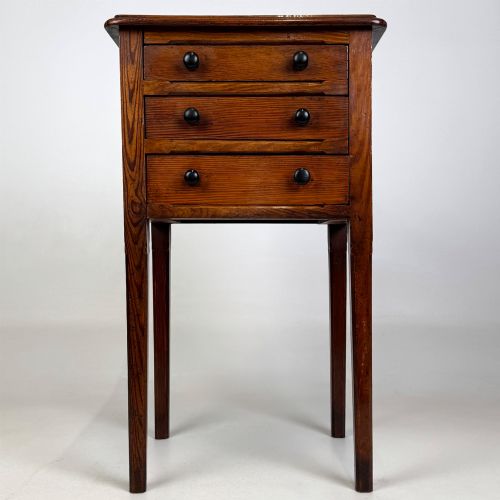
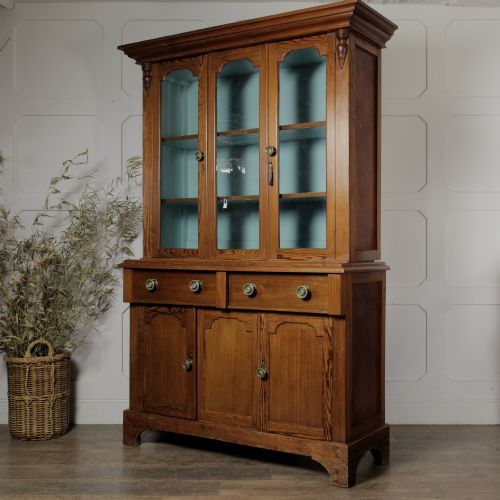
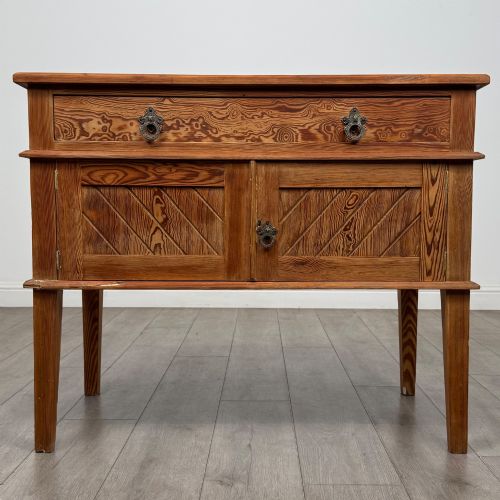
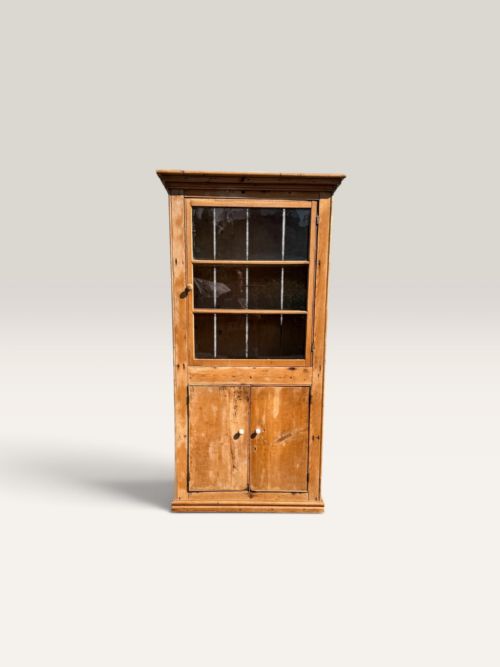
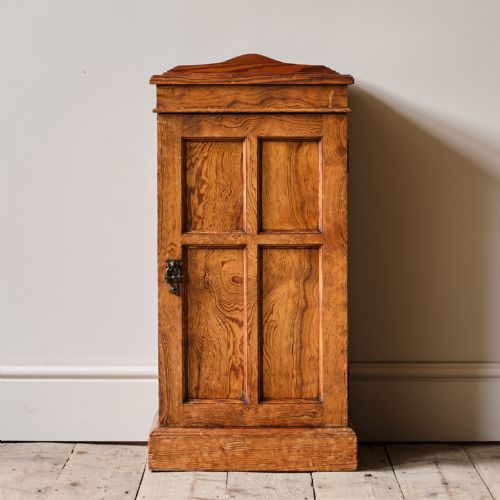
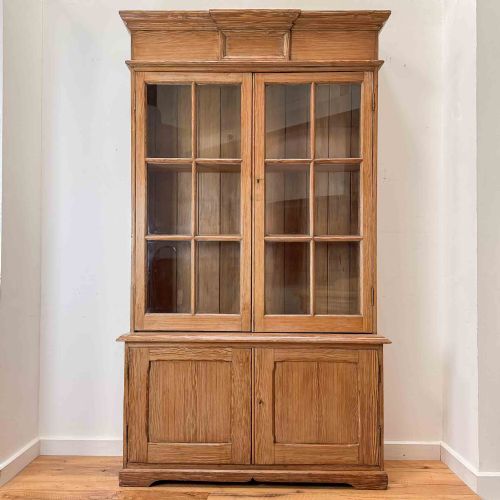
A pitch pine cabinet covers a diverse group of practical storage furniture built primarily during the nineteenth and early twentieth centuries. When searching for a pitch pine cabinet, buyers encounter everything from modest bedside pot cupboards and wall-hung display cases to substantial housekeepers' cupboards, bookcases, and plan chests.
The majority of pieces originate from the Victorian era and the Edwardian period, often reflecting regional workshop traditions across Britain, Scotland, and continental Europe. Styles range from plain Victorian country and institutional utility designs to more deliberate Arts and Crafts, Aesthetic Movement, and Gothic Revival expressions.
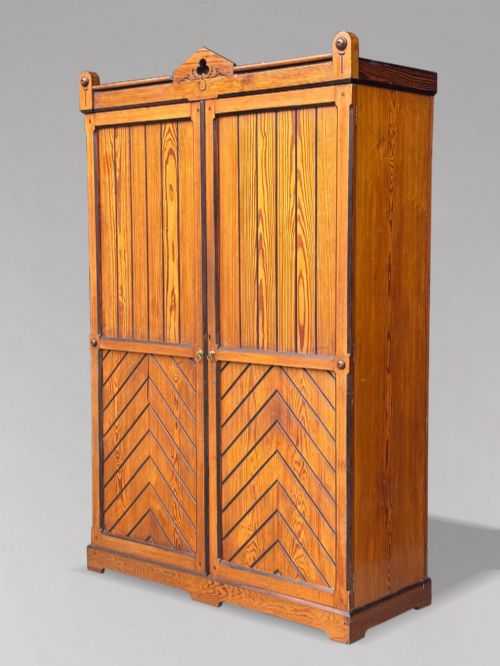
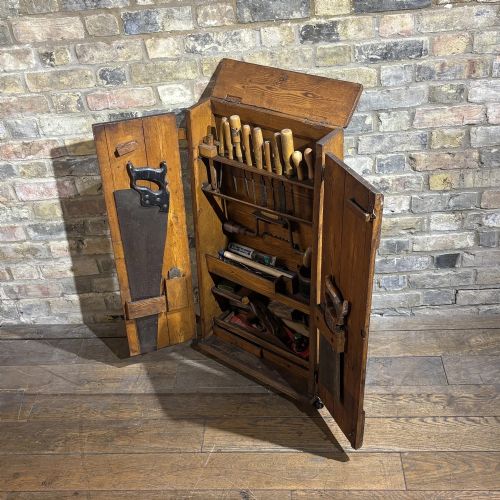
Forms vary significantly according to their original purpose, including specialised items like collectors' chests, portable tool cabinets, and haberdashers' shop fittings alongside domestic wardrobes and side cabinets.
Materials and construction
Makers utilised pitch pine for its exceptional durability and prominent, resin-rich grain patterns, frequently pairing the timber with secondary pine, brass hardware, and iron fittings. Glazed doors incorporate glass panes, while specific decorative elements involve ebonised mouldings or inlaid details.
Construction techniques rely on traditional joinery suited to heavy institutional and domestic use, yielding solid framework seen in multi-drawer chests, sectional units, and large two-part dressers. Surfaces appear either stripped to reveal the warm natural timber tone or left with traces of original painted finishes.
Listings feature items spanning the Victorian era through the 1930s, utilising pitch pine, brass, glass, and iron across domestic and institutional forms.
Distinctions in quality
Quality rests upon the selection of timber, where tightly figured grain and stable board construction distinguish finer pieces from standard utility items. Superior examples display careful handling of proportions, restrained decorative touches such as ebonised detailing, and intact original brass or iron hardware.
The integrity of the structural joinery and the condition of original glazed doors or multiple drawers dictate the standing of a piece. Workshop execution by recognised makers or institutional provenance elevates certain items above ordinary domestic furniture.
J.T. Crockett
The Pitch Pine Cabinet Glossary
- Pitch Pine
- A durable, resinous North American and imported pine variety known for its pronounced growth rings and warm reddish-brown hue. Furniture makers valued it for heavy-duty domestic and institutional application.
- Pot Cupboard
- A small bedside cabinet originally designed to house a chamber pot. These compact units typically feature a single door and a small internal shelf.
- Plan Chest
- A wide, shallow multi-drawer cabinet built for storing large architectural drawings, maps, or prints. They are constructed in sections to handle heavy paper loads.
- Wellington Chest
- A tall, vertical locking chest of drawers secured by a hinged side locking bar. This design originated in the nineteenth century for secure document storage.
- Buffet Deux Corps
- A large two-tier sideboard or storage cabinet originating in France. The form separates a lower cupboard section from an upper display or storage tier.
Pitch Pine Cabinet: Frequently Asked Questions
How do I date a pitch pine cabinet?
Dating relies on construction methods, hardware types, and stylistic indicators such as Gothic Revival or Arts and Crafts details. Nineteenth-century pieces often show hand-cut joinery and specific drawer lining materials.
Later pieces from around nineteen hundred or the Edwardian era adopt standardised fixings and simpler institutional forms.
What rooms suit a pitch pine cabinet?
The dense grain and warm tones make these cabinets suitable for kitchens, hallways, and studies where durable storage is required. Smaller bedside models fit easily into bedrooms as night stands.
Larger bookcases and glazed cupboards serve well in living spaces for book storage and display.
Are these cabinets painted or stripped?
Surviving examples appear in various states, including stripped natural timber showing the raw grain and pieces retaining older painted finishes. Some institutional or shop cabinets preserve their original surface treatments.
Buyers can find mellow waxed surfaces alongside industrial painted finishes depending on the piece's history.
How do I maintain pitch pine furniture?
Routine care involves dusting with a soft cloth and occasionally applying natural beeswax to nourish the dry timber. Avoid placing these cabinets near direct heat sources to prevent the resinous wood from splitting.
Maintaining stable room humidity preserves both the timber and original brass or iron fittings.