





Pink Velvet Accent Chair
A pink velvet accent chair brings rich texture and distinctive colour into a room, drawing the eye instantly.
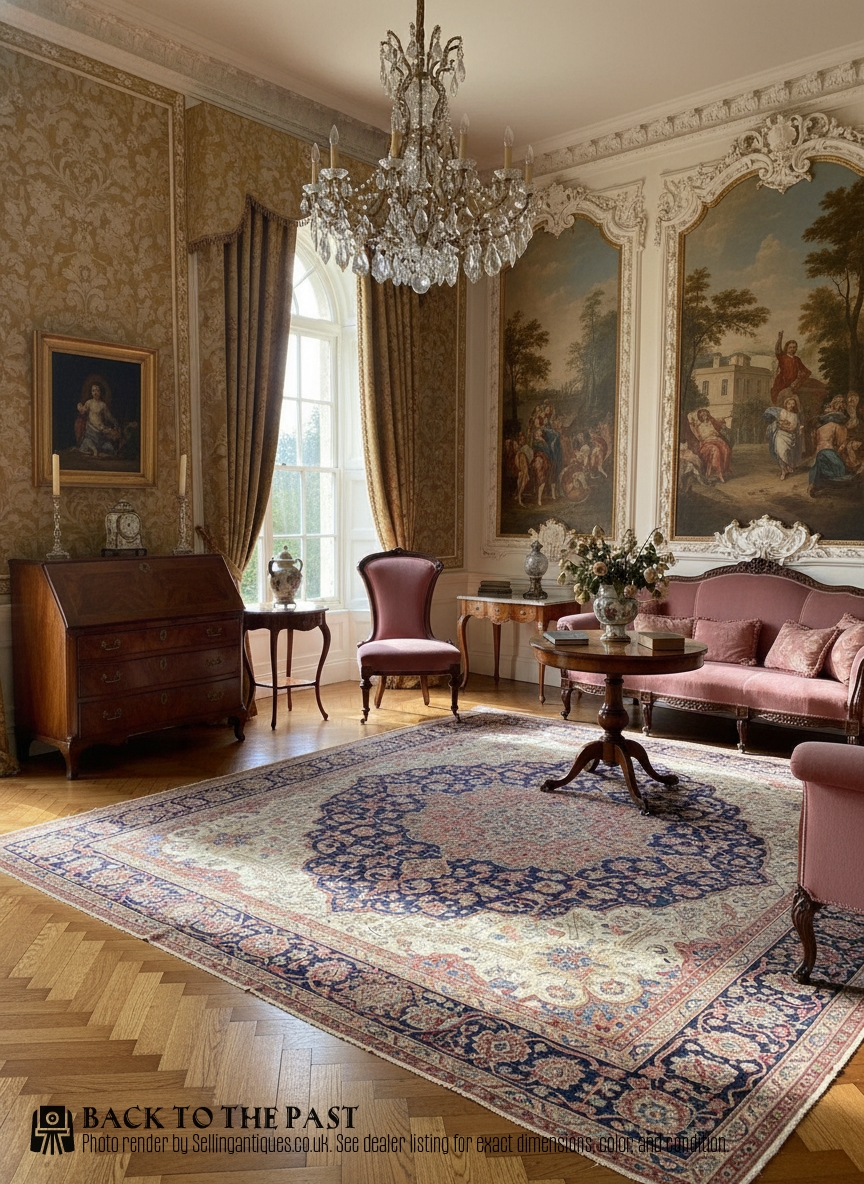
Pink Velvet Accent Chair
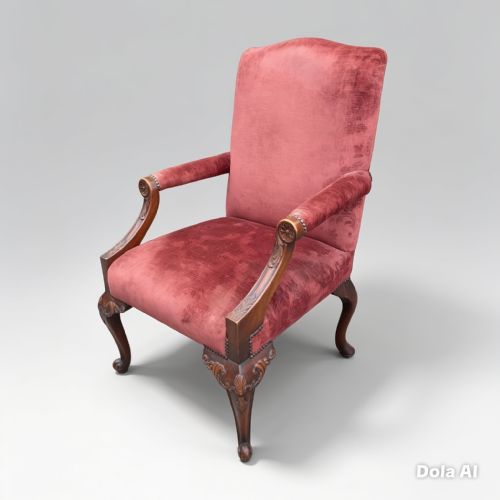
When you search for a pink velvet accent chair, you encounter a selection of seating options spanning the 19th century, Victorian era, and Edwardian period. The forms vary widely, taking shape as nursing chairs, salon chairs, slipper chairs, and library armchairs.
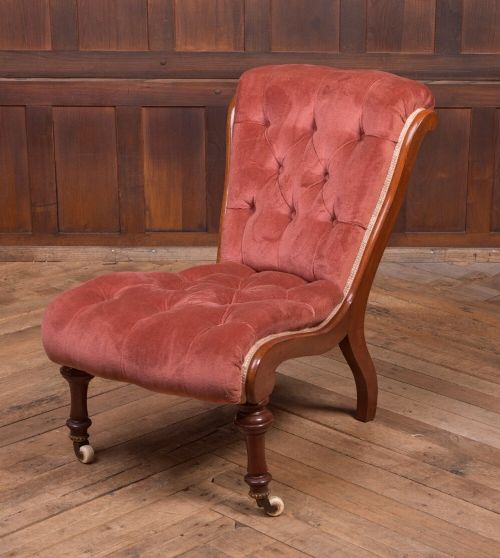
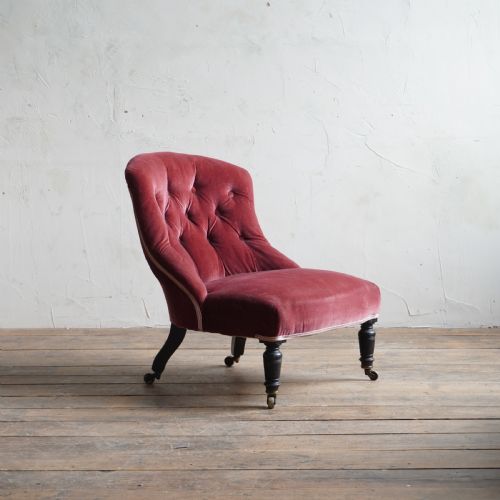
You are most likely to meet Victorian walnut and mahogany nursing chairs upholstered in plush pink or coral velvet. These pieces combine historic woodwork with soft textile coverings to create striking focal points for modern interiors.
How they were made
Makers utilised dense timbers such as mahogany, walnut, rosewood, and beech to construct robust frames, often adding giltwood or brass details for visual contrast. Wood carvers shaped these frames with intricate floral motifs, barley twist supports, and balloon backs.
Upholsterers applied velvet over traditional padding and buttoned detailing to secure the fabric firmly to the sprung or webbed interior. The synthesis of carved timber and tactile pile required precise hand craftsmanship from regional workshops and notable cabinet makers.
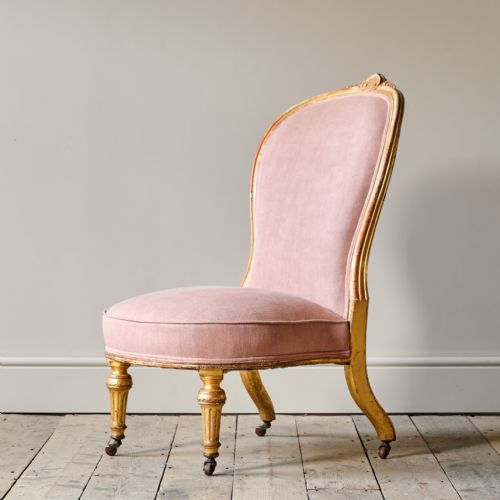
Listings feature Victorian walnut and mahogany nursing chairs alongside French giltwood fauteuils upholstered in pink and coral velvet.
What varies in quality
The distinction between tiers of work rests on the crispness of the timber carving and the integrity of the frame construction. Superior examples display deeply sculpted walnut or rosewood with firm joinery that withstands daily use.
Judgement also depends on the quality of the velvet pile and the precision of the buttoning work across the backrest. Finer chairs retain original gilding or rich natural wood patination alongside carefully proportioned silhouettes.
Lamb of Manchester·Gillows
The Pink Velvet Accent Chair Glossary
- Nursing chair
- A low-seated Victorian chair designed originally for comfort in the bedroom or nursery. These pieces typically feature an upright, buttoned back and slender legs.
- Fauteuil
- An open-armed French armchair with an exposed wooden frame. This seating style emerged prominently during historical revival periods.
- Giltwood
- Wood that has been coated with a thin layer of gold leaf or gilt paint. This technique accentuates carved decorative elements on the frame.
- Balloon back
- A rounded, oval-shaped backrest resembling a balloon popular in Victorian chair design. This curved profile provides ergonomic support for the sitter.
Pink Velvet Accent Chair: Frequently Asked Questions
Where should I place a pink velvet accent chair?
These chairs sit comfortably in bedrooms, dressing rooms, or quiet corners of a living room where they can function as a standalone seat. Their rich textile finish adds warmth against neutral walls or harmonises with bolder colour schemes.
Because many historic forms feature lower seats, such as nursing chairs, they also suit smaller spaces without overwhelming the room's proportions.
How do I care for antique velvet?
Velvet requires gentle handling to preserve the pile and prevent crushing over time. Regular light brushing with a soft garment brush helps maintain the texture and remove surface dust.
Keep these chairs away from direct sunlight to prevent the pink or coral tones from fading. Professional cleaning is recommended for any deeper maintenance.
How do I identify a Victorian nursing chair?
Victorian nursing chairs are characterised by their noticeably low seat height and tall, upholstered backrests. Makers designed them low to the ground so women could tend to infants or dress comfortably.
They frequently feature buttoned upholstery, balloon backs, and turned walnut or mahogany legs mounted on small castors.
What is the difference between a salon chair and a side chair?
Salon chairs are typically decorative armchairs intended for entertaining in formal reception rooms. They often feature painted or giltwood frames with open arms and upholstered seats.
Side chairs are smaller, armless chairs designed to be placed against a wall or pulled up to a dressing table when needed.