



Pink Sapphire Jewellery
Pink sapphire jewellery brings together vibrant corundum stones and fine metals across periods from the Victorian era to the mid-century.
Pink Sapphire Jewellery
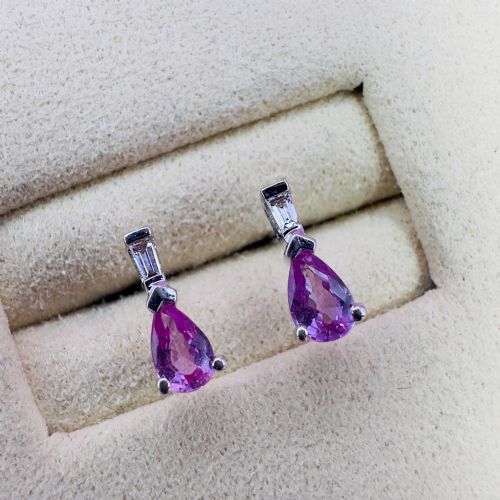
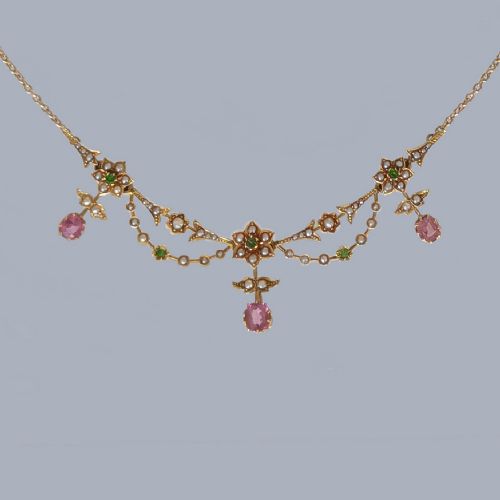
Pink sapphire jewellery encompasses rings, pendants, necklaces, and earrings created across the Edwardian, Art Deco, and mid-century periods. These pieces showcase natural pink sapphires alongside supporting gemstones like diamonds, seed pearls, and peridot in various historic settings.
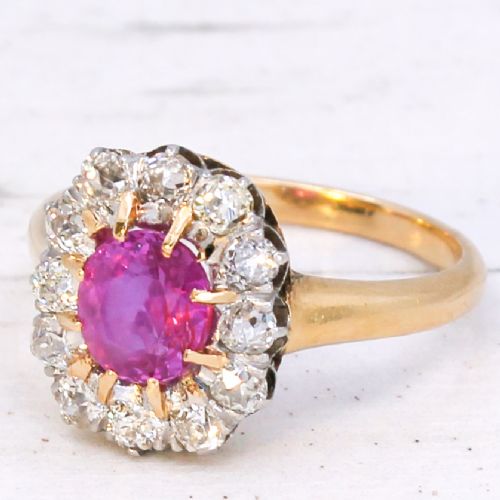
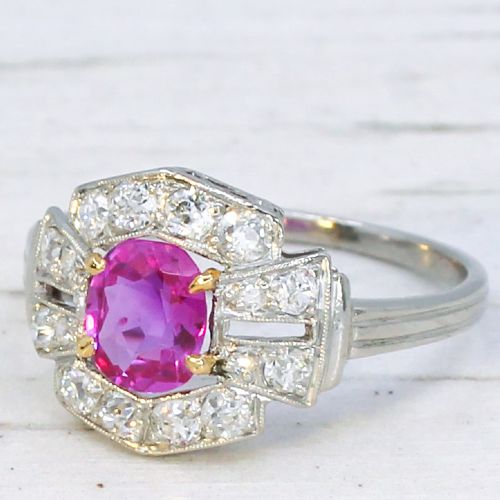
The most frequent examples found in this selection span the Art Deco and Edwardian periods, alongside mid-century designs. Makers utilised platinum and various carats of gold to house pear cut, marquis cut, and unheated Burmese or Ceylon pink sapphires.
Materials and Techniques
The construction relies heavily on platinum and 18ct gold, often in white or yellow variations, to secure the principal pink sapphire stones. Jewellers combined these metals with diamond accents, including baguette, trapezoid, and rose cuts, to enhance the central colour.
Techniques range from intricate cluster formations and fringe necklaces to classic three stone trilogy settings. Seed pearls and garnets occasionally appear alongside the pink sapphires in Edwardian and Victorian revival pieces.
Listings feature platinum, yellow gold, and white gold across Edwardian, Art Deco, and mid-century periods.
Distinctions in Quality
Quality rests upon the natural origin and heat treatment status of the pink sapphire, with unheated stones from sources like Burma and Ceylon commanding particular attention. The depth and saturation of the pink hue also dictate the visual strength of each stone.
The precision of the metalwork, particularly the platinum claw or bezel settings from the Art Deco period, shapes the overall craftsmanship. The integration of supporting diamonds, such as matched baguette or trapezoid cuts, further defines the standard of the piece.
The Pink Sapphire Jewellery Glossary
- Unheated Sapphire
- A gemstone that has not undergone thermal enhancement to improve its colour or clarity. Natural unheated pink sapphires are specifically noted in several turn-of-the-century and Art Deco pieces.
- Cluster Setting
- An arrangement where a central gemstone is surrounded by a tight formation of smaller stones, typically diamonds. This style is prominent in Edwardian and mid-century rings.
- Seed Pearl
- A very small, natural or cultured pearl often drilled and strung in historic jewellery. They frequently accompany pink sapphires in Edwardian pendants and fringe necklaces.
- Trilogy Ring
- A ring featuring three principal stones, often symbolising the past, present, and future. Platinum versions from the Art Deco period pair pink sapphires with flanking diamonds.
Pink Sapphire Jewellery: Frequently Asked Questions
What periods do these pieces date from?
The selection spans from the Victorian and Edwardian eras through the Art Deco period of the 1920s and 1930s. Mid-century and retro designs from the 1940s and 1950s also feature prominently.
Each era brings distinct metal choices and setting styles, ranging from yellow gold wirework in early pieces to structured platinum geometric mounts in the interwar years.
Are the pink sapphires treated?
Many listings specify unheated stones originating from traditional sources like Burma and Ceylon. These natural sapphires derive their colour entirely from geological processes without thermal intervention.
Documentation or descriptions typically indicate whether a stone is unheated, which influences its standing among collectors of fine antique jewellery.
What metals are used in these mountings?
Platinum is a primary metal choice for Art Deco pieces, offering the strength required for delicate geometric designs and secure stone settings. Gold also appears across various carats, including 15ct historic standards and modern 18ct white and yellow gold.
Lower carats such as 9ct feature in mid-century drop earrings and cluster pendants, providing durability for everyday wear.
How should I care for antique pink sapphire jewellery?
Pink sapphires are extremely hard stones, rating nine on the Mohs scale, but historic settings require gentle handling. Professional cleaning by a specialist ensures that fragile elements like seed pearls or fine platinum claws remain secure.
Store pieces individually in soft pouches to prevent softer accent stones or metal surfaces from scratching during storage.